وبلاگ بلیان

Practical Machine Learning and Image Processing : For Facial Recognition, Object Detection, and Pattern Recognition Using Python
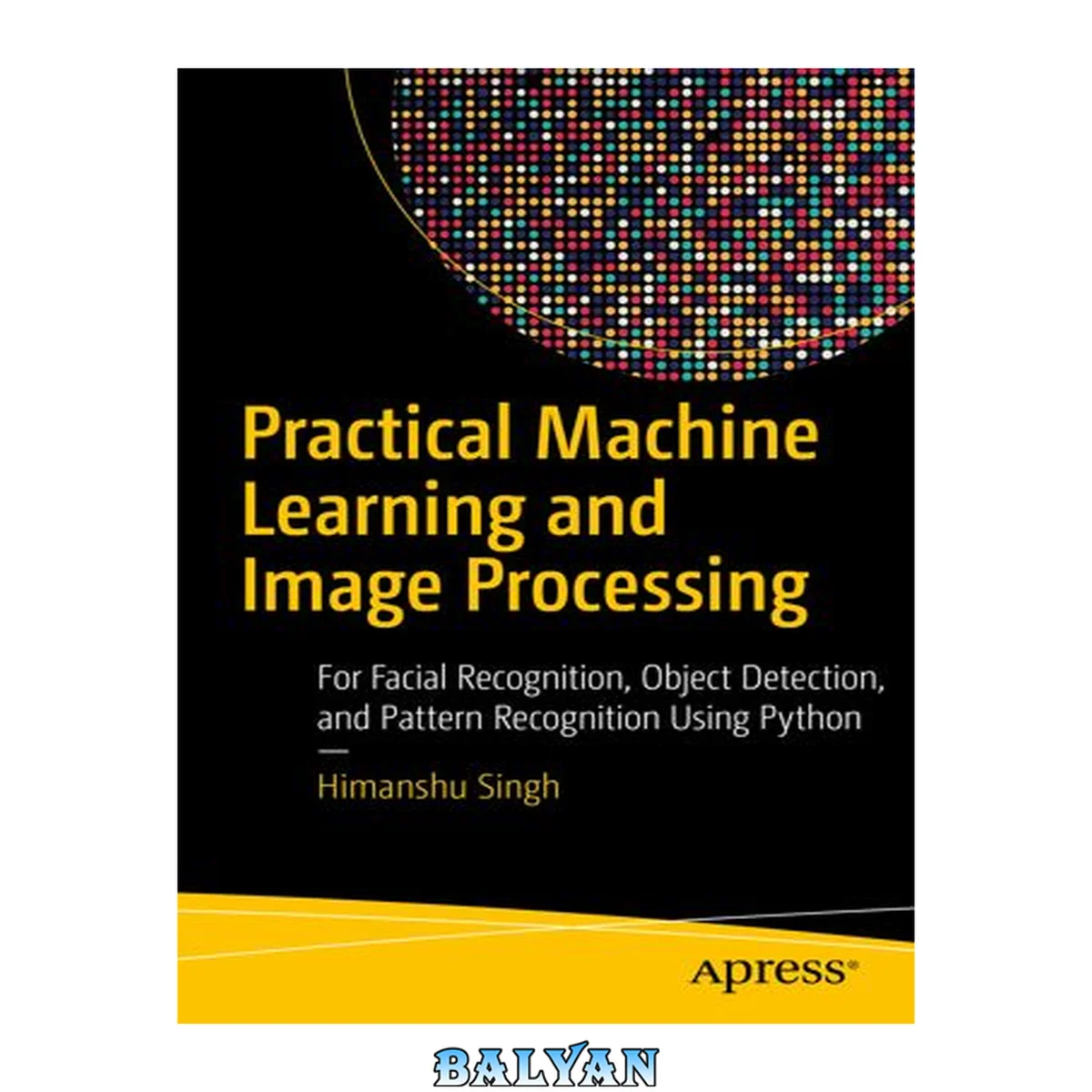
جلد کتاب Practical Machine Learning and Image Processing : For Facial Recognition, Object Detection, and Pattern Recognition Using Python

معرفی کتاب «Practical Machine Learning and Image Processing : For Facial Recognition, Object Detection, and Pattern Recognition Using Python» نوشتهٔ Robert، Kirkman و Himanshu Singh، منتشرشده توسط نشر Apress : Imprint: Apress در سال 2019. این کتاب در فرمت pdf، زبان انگلیسی ارائه شده است.

«بالیان» با افتخار کتابی کاربردی و راهگشا برای علاقه‌مندان به حوزه‌های یادگیری ماشین و پردازش تصویر معرفی می‌کند. کتاب «Practical Machine Learning and Image Processing» نوشتهٔ «هیمانشو سینگ» (Himanshu Singh)، یک منبع جامع و گام‌به‌گام برای پیاده‌سازی الگوریتم‌های پردازش تصویر و یادگیری ماشین با استفاده از زبان برنامه‌نویسی پایتون است. این کتاب که توسط انتشارات معتبر «آپرس» (Apress) منتشر شده، با تمرکز بر کاربردهای دنیای واقعی مانند تشخیص چهره، تشخیص اشیاء و تشخیص الگو، به شما کمک می‌کند تا از مبانی تا پیاده‌سازی پروژه‌های عملی را فرا بگیرید.

دربارهٔ کتاب «Practical Machine Learning and Image Processing»

موضوع اصلی این کتاب، کاوش در روش‌شناسی‌ها و الگوریتم‌های پردازش تصویر با بهره‌گیری از یادگیری ماشین و شبکه‌های عصبی در پایتون است. نویسنده با فرض اینکه خواننده دانش پایه‌ای از پایتون دارد، مسیری ساختاریافته را طراحی کرده است. کتاب با آموزش نحوهٔ راه‌اندازی محیط توسعه، آشنایی با اصطلاحات پایه‌ای پردازش تصویر و مرور مفاهیم کلیدی پایتون آغاز می‌شود. سپس به سراغ الگوریتم‌های اصلی پردازش تصویر رفته و پس از آن، به‌عنوان مهم‌ترین کتابخانهٔ بینایی ماشین، «اوپن‌سی‌وی» (OpenCV) معرفی و نحوهٔ استفاده از آن به طور کامل آموزش داده می‌شود. در بخش‌های پیشرفته‌تر، کتاب به سراغ روش‌های یادگیری ماشین و یادگیری عمیق برای طبقه‌بندی و پردازش تصویر می‌رود. مفاهیمی مانند «شبکه‌های عصبی پالس‌جفت‌شده»، «ادابوست» (AdaBoost)، «ای‌اکس‌جی‌بوست» (XG boost) و «شبکه‌های عصبی کانولوشنی» (CNN) برای کاربردهای خاص تصویری توضیح داده می‌شوند. همچنین، مراحل ساخت مدل‌ها در زمان واقعی و استقرار آن‌ها با استفاده از ابزارهای «دوآپس» (DevOps) بررسی می‌شود. تمامی مفاهیم این کتاب با سناریوهای واقعی و قابل‌درک تشریح شده‌اند که درک مطالب را برای خواننده بسیار ساده‌تر می‌کند.

دربارهٔ نویسنده

نویسندهٔ این کتاب، «هیمانشو سینگ»، یک متخصص با تجربه در حوزهٔ علم داده است. بر اساس اطلاعات موجود، او بیش از پنج سال سابقهٔ کار در این حوزه دارد و در حال حاضر به عنوان «دانشمند ارشد داده» در شرکت «یونیفای تکنالوجیز» (Unify Technologies) فعالیت می‌کند. سینگ همچنین به عنوان مدرس دوره‌های آموزشی علم داده، یادگیری ماشین و یادگیری عمیق برای شرکت‌های مختلف فعالیت داشته و مدرس مدعو گروه تحلیل کسب‌وکار در «موسسهٔ مدیریت مطالعات نارسی مونجی» (Narsee Monjee Institute of Management Studies) در هند است که یکی از موسسات معتبر مدیریتی به شمار می‌رود. او همچنین بنیانگذار شرکت‌های «بلک فدرز آنالیتیکس» (Black Feathers Analytics) و «رایز آو لیتراتی کلابز» (Rise of Literati Clubs) است.

چرا باید «Practical Machine Learning and Image Processing» را بخوانید؟

این کتاب مزایای متعددی برای توسعه‌دهندگان و دانشمندان داده دارد که مهم‌ترین آنها عبارتند از:
  • یادگیری الگوریتم‌های پردازش تصویر با پایتون: شما با طیف گسترده‌ای از الگوریتم‌های پردازش تصویر و کاربردهای آن‌ها در پایتون آشنا می‌شوید.
  • کار عملی با کتابخانهٔ اوپن‌سی‌وی: این کتاب استفاده از بزرگترین و محبوب‌ترین کتابخانهٔ بینایی ماشین، یعنی اوپن‌سی‌وی را به طور کامل پوشش می‌دهد.
  • استفاده از کتابخانه‌های قدرتمند پایتون: شما نحوهٔ کار با کتابخانه‌های مطرحی مانند «تنسورفلو» (TensorFlow)، «سای‌کیت-لرن» (scikit-learn)، «نام‌پای» (NumPy) و دیگر ابزارهای مرتبط را فرا می‌گیرید.
  • پروژه‌های عملی و واقعی: مهم‌ترین ویژگی این کتاب، ارائهٔ پنج پروژهٔ عملی و زمان‌واقعی است که به شما امکان می‌دهد آموخته‌های خود را در عمل پیاده‌سازی کنید.
  • درک مفاهیم پیشرفتهٔ یادگیری ماشین: کتاب شما را با مفاهیم پیشرفته‌ای مانند شبکه‌های عصبی کانولوشنی و الگوریتم‌های تقویتی برای کاربردهای خاص تصویری آشنا می‌کند.

این کتاب برای چه کسانی مناسب است؟

این کتاب منبعی ایده‌آل برای دانشمندان داده، توسعه‌دهندگان نرم‌افزار و هر فردی است که به حوزه‌های پردازش تصویر و بینایی ماشین علاقه‌مند است. مخاطب اصلی آن افرادی هستند که با زبان برنامه‌نویسی پایتون آشنایی مقدماتی دارند و می‌خواهند وارد دنیای جذاب یادگیری ماشین و پردازش تصویر شوند. همچنین، این کتاب برای کسانی که به دنبال منبعی برای شروع پروژه‌های تشخیص چهره، تشخیص اشیاء یا تشخیص الگو هستند، بسیار مفید خواهد بود. با توجه به سطح محتوای کتاب، برای افراد با سطح مهارت متوسط تا پیشرفته در نظر گرفته شده است و می‌تواند به عنوان یک مرجع عملی در این حوزه مورد استفاده قرار گیرد.

سوالات متداول

آیا برای مطالعهٔ این کتاب به دانش قبلی در زمینهٔ یادگیری ماشین نیاز است؟

خیر، این کتاب از مبانی پایه‌ای شروع می‌شود و مفاهیم اولیهٔ پردازش تصویر و یادگیری ماشین را پوشش می‌دهد. با این حال، آشنایی مقدماتی با زبان پایتون برای درک بهتر مثال‌های کدنویسی توصیه می‌شود، زیرا کتاب از همان ابتدا فرض را بر دانستن اصول پایتون گذاشته است.

آیا کتاب به طور خاص به موضوع تشخیص چهره پرداخته است؟

بله، تشخیص چهره یکی از سه حوزهٔ اصلی و کاربردهای کلیدی است که این کتاب بر آن متمرکز است، همانطور که از عنوان فرعی کتاب پیداست. مباحث مرتبط با تشخیص چهره و تشخیص اشیاء در قالب الگوریتم‌ها و پروژه‌های عملی در کتاب گنجانده شده است.

آیا پس از خواندن این کتاب می‌توانم مدل‌های پردازش تصویر خود را بسازم؟

بله، هدف نهایی این کتاب توانمندسازی خواننده برای پیاده‌سازی تکنیک‌های پردازش تصویر و ساخت مدل‌های یادگیری ماشین سفارشی برای کاربردهای خاص است. بخش‌های مختلف کتاب، از مفاهیم پایه تا استقرار مدل، شما را برای رسیدن به این هدف راهنمایی می‌کند.

Gain insights into image-processing methodologies and algorithms, using machine learning and neural networks in Python. This book begins with the environment setup, understanding basic image-processing terminology, and exploring Python concepts that will be useful for implementing the algorithms discussed in the book. You will then cover all the core image processing algorithms in detail before moving onto the biggest computer vision library: OpenCV. You’ll see the OpenCV algorithms and how to use them for image processing. The next section looks at advanced machine learning and deep learning methods for image processing and classification. You’ll work with concepts such as pulse coupled neural networks, AdaBoost, XG boost, and convolutional neural networks for image-specific applications. Later you’ll explore how models are made in real time and then deployed using various DevOps tools. All the concepts in __Practical Machine Learning and Image Processing__ are explained using real-life scenarios. After reading this book you will be able to apply image processing techniques and make machine learning models for customized application.**What You Will Learn** * Discover image-processing algorithms and their applications using Python * Explore image processing using the OpenCV library * Use TensorFlow, scikit-learn, NumPy, and other libraries * Work with machine learning and deep learning algorithms for image processing * Apply image-processing techniques to five real-time projects **Who This Book Is For**Data scientists and software developers interested in image processing and computer vision. Gain insights into image-processing methodologies and algorithms, using machine learning and neural networks in Python. This book begins with the environment setup, understanding basic image-processing terminology, and exploring Python concepts that will be useful for implementing the algorithms discussed in the book. You will then cover all the core image processing algorithms in detail before moving onto the biggest computer vision library: OpenCV. You’ll see the OpenCV algorithms and how to use them for image processing. The next section looks at advanced machine learning and deep learning methods for image processing and classification. You’ll work with concepts such as pulse coupled neural networks, AdaBoost, XG boost, and convolutional neural networks for image-specific applications. Later you’ll explore how models are made in real time and then deployed using various DevOps tools. All the concepts in Practical Machine Learning and Image Processing are explained using real-life scenarios. After reading this book you will be able to apply image processing techniques and make machine learning models for customized application. What You Will Learn Discover image-processing algorithms and their applications using Python Explore image processing using the OpenCV library Use TensorFlow, scikit-learn, NumPy, and other libraries Work with machine learning and deep learning algorithms for image processing Apply image-processing techniques to five real-time projects Who This Book Is For Data scientists and software developers interested in image processing and computer vision. La 4ème de couverture indique : "Gain insights into image-processing methodologies and algorithms, using machine learning and neural networks in Python. This book begins with the environment setup, understanding basic image-processing terminology, and exploring Python concepts that will be useful for implementing the algorithms discussed in the book. You will then cover all the core image processing algorithms in detail before moving onto the biggest computer vision library: OpenCV. You'll see the OpenCV algorithms and how to use them for image processing. The next section looks at advanced machine learning and deep learning methods for image processing and classification. You'll work with concepts such as pulse coupled neural networks, AdaBoost, XG boost, and convolutional neural networks for image-specific applications. Later you'll explore how models are made in real time and then deployed using various DevOps tools. All the concepts in Practical Machine Learning and Image Processing are explained using real-life scenarios. After reading this book you will be able to apply image processing techniques and make machine learning models for customized application. What You Will Learn : Discover image-processing algorithms and their applications using Python ; Explore image processing using the OpenCV library ; Use TensorFlow, scikit-learn, NumPy, and other libraries ; Work with machine learning and deep learning algorithms for image processing ; Apply image-processing techniques to five real-time projects." Front Matter ....Pages i-xv Setup Environment (Himanshu Singh)....Pages 1-6 Introduction to Image Processing (Himanshu Singh)....Pages 7-27 Basics of Python and Scikit Image (Himanshu Singh)....Pages 29-61 Advanced Image Processing Using OpenCV (Himanshu Singh)....Pages 63-88 Image Processing Using Machine Learning (Himanshu Singh)....Pages 89-132 Real-time Use Cases (Himanshu Singh)....Pages 133-149 Back Matter ....Pages 151-169
دانلود کتاب Practical Machine Learning and Image Processing : For Facial Recognition, Object Detection, and Pattern Recognition Using Python