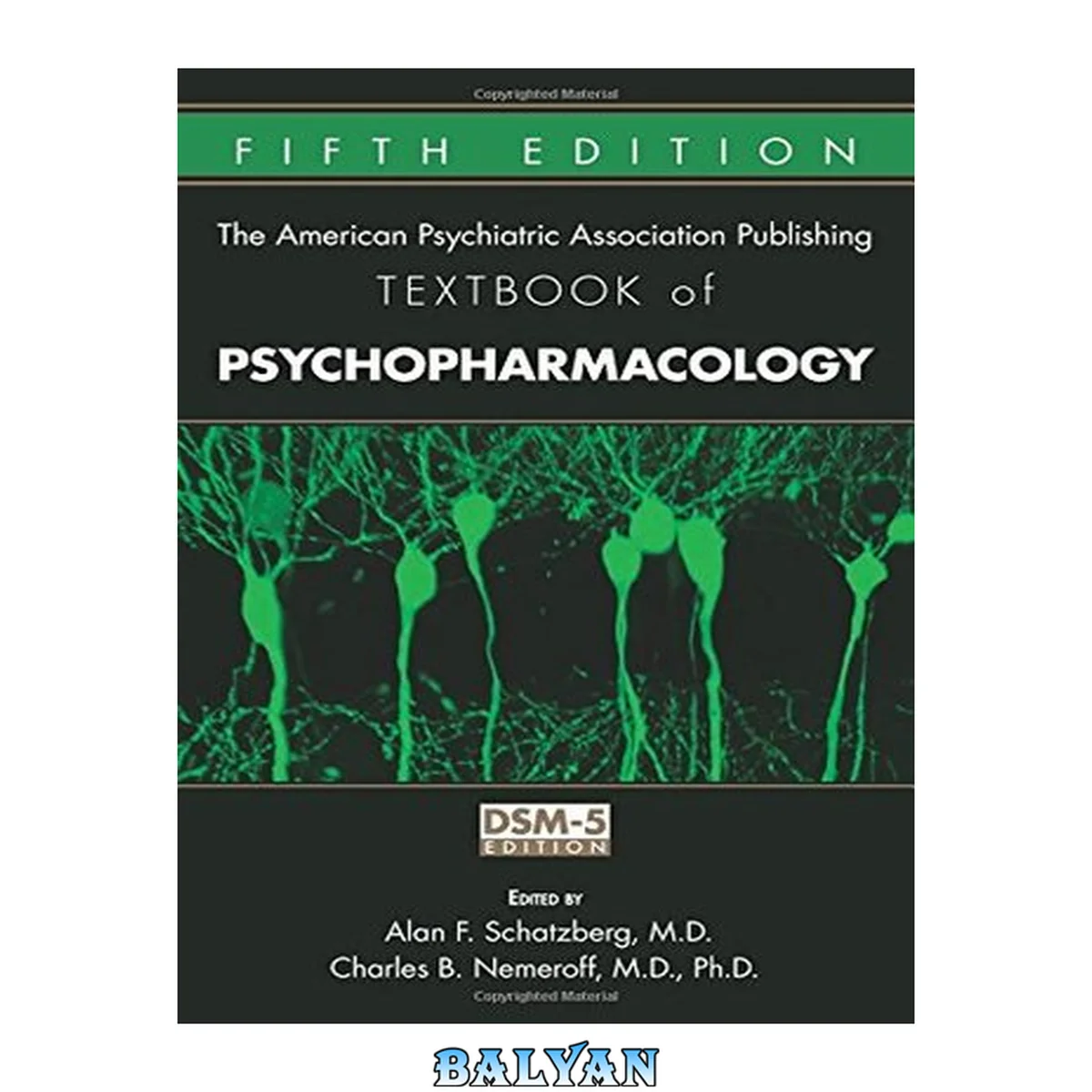
American Psychiatric Association Publishing Textbook of Psychopharmacology (Revised)
معرفی کتاب «American Psychiatric Association Publishing Textbook of Psychopharmacology (Revised)» نوشتهٔ Clara E. Mattei و Alan F. Schatzberg; Charles B. Nemeroff; American Psychiatric Association Publishing، منتشرشده توسط نشر American Psychiatric Association Publishing در سال 2017. این کتاب در فرمت epub، زبان انگلیسی ارائه شده است.
کتاب American Psychiatric Association Publishing Textbook of Psychopharmacology یکی از معتبرترین و جامعترین منابع مرجع در زمینهٔ روانداروشناسی به شمار میرود که توسط دو تن از برجستهترین متخصصان این حوزه، آلن اف. شاتزبرگ و چارلز بی. نموف، ویرایش شده است. این کتاب که توسط انتشارات انجمن روانپزشکی آمریکا منتشر شده، به عنوان منبعی ضروری برای روانپزشکان، روانشناسان و تمامی متخصصانی که داروهای روانگردان تجویز میکنند، شناخته میشود. نسخهٔ پنجم این کتاب که در سال ۲۰۱۷ منتشر شده و با سیستم طبقهبندی جدید دیاسام-۵ هماهنگ است، با ارائهٔ بهروزترین یافتههای پژوهشی در زمینهٔ اصول داروشناسی، دستهبندی داروها و درمان اختلالات روانپزشکی، به راهنمایی بینظیر برای متخصصان تبدیل شده است.
دربارهٔ کتاب *American Psychiatric Association Publishing Textbook of Psychopharmacology*
این کتاب در نسخهٔ پنجم خود، با حفظ ساختار کاربردی و روان نسخههای پیشین، به روزترین اطلاعات را در اختیار خواننده قرار میدهد. کتاب با فصول مقدماتی آغاز میشود که پایههای نظری کاربردهای بالینی را فراهم میآورد و مباحثی از انتقالدهندههای عصبی تا تصویربرداری مغز در روانداروشناسی را پوشش میدهد. بخش عظیمی از کتاب به دستههای مختلف داروها از جمله داروهای ضدافسردگی، ضداضطراب، ضدروانپریشی، تثبیتکنندههای خلق و سایر عوامل اختصاص دارد و هر دسته به فصلهایی دربارهٔ داروهای خاص تقسیم شده است. این ساختار منسجم، شامل اطلاعاتی مانند تاریخچه و کشف، روابط ساختار-فعالیت، نیمرخهای داروشناختی، فارماکوکینتیک، مکانیسمهای اثر، موارد مصرف و کارایی، عوارض جانبی و تداخلات دارویی برای هر عامل است و اطلاعات مورد نظر را به سرعت در اختیار بالینگر قرار میدهد. بخش نهایی کتاب به درمان روانداروشناختی اختصاص دارد و اصول مراقبت بالینی مبتنی بر شواهد را برای طیف کاملی از اختلالات و شرایط روانی، از افسردگی تا درد مزمن، پوشش میدهد. همچنین این بخش به جمعیتها و موقعیتهای خاص مانند کودکان و نوجوانان و اورژانسهای روانپزشکی میپردازد و اطلاعاتی در مورد انتخاب دارو، رژیمهای دوز ترکیبی و نگهدارنده، پایش و مدیریت عوارض جانبی و راهکارهای بهینهسازی پاسخ به درمان ارائه میدهد. پوشش داروهای جدید تأیید شده از زمان نسخهٔ قبلی مانند داروهای ضدافسردگی جدید (وُرتیوکستین)، داروهای ضدروانپریشی جدید (کاریپرازین) و عواملی که در افق بالینی قرار دارند (کتامین) نیز در این کتاب به طور کامل گنجانده شده است.
دربارهٔ نویسندگان
آلن اف. شاتزبرگ، پزشک و استاد برجستهٔ روانپزشکی، از سال ۱۹۹۱ تا ۲۰۱۰ ریاست بخش روانپزشکی و علوم رفتاری در دانشکدهٔ پزشکی دانشگاه استنفورد را بر عهده داشته و در حال حاضر مدیر مرکز اختلالات خلقی استنفورد است. چارلز بی. نموف، پزشک و متخصص علوم اعصاب، استاد و رئیس بخش روانپزشکی و علوم رفتاری در دانشکدهٔ پزشکی دانشگاه تگزاس در آستین و همچنین مدیر کلینیک مولوآ برای علوم اعصاب و مرکز تحقیقات ناملایمات اولیهٔ زندگی است. این دو تن از تأثیرگذارترین چهرههای علمی در حوزهٔ روانپزشکی و روانداروشناسی محسوب میشوند و ویرایش کتابهای مرجع متعدد در این زمینه را در کارنامهٔ خود دارند.
چرا باید *American Psychiatric Association Publishing Textbook of Psychopharmacology* را بخوانید؟
مرجعی بینظیر و جامع: این کتاب با ارائهٔ پوشش عمیق و گسترده از تمام جنبههای روانداروشناسی، از اصول پایه تا کاربردهای بالینی پیشرفته، یک منبع کامل و یکجا برای متخصصان است.
هماهنگی با جدیدترین طبقهبندی تشخیصی: ویرایش پنجم این کتاب به طور کامل با سیستم طبقهبندی دیاسام-۵ هماهنگ شده است و بهروزترین معیارهای تشخیصی را در نظر دارد.
ساختار منسجم و کاربردی: فصلها با فرمتی یکسان و منظم برای هر دارو (از تاریخچه تا تداخلات) نوشته شدهاند که جستجو و دسترسی به اطلاعات مورد نیاز را برای بالینگران بسیار آسان میکند.
پوشش کامل داروهای جدید: این کتاب اطلاعات کاملی در مورد داروهای جدیدی که از نسخهٔ قبلی به بازار آمدهاند، از جمله وُرتیوکستین و کاریپرازین، و همچنین عواملی مانند کتامین که در افق بالینی قرار دارند، ارائه میدهد.
کاربرد بالینی مبتنی بر شواهد: بخش عمدهای از کتاب به راهنمای عملی درمان اختلالات مختلف و جمعیتهای خاص اختصاص دارد و به بالینگران در انتخاب دارو، مدیریت دوز و پایش عوارض کمک میکند.
این کتاب برای چه کسانی مناسب است؟
American Psychiatric Association Publishing Textbook of Psychopharmacology منبعی ایدهآل و ضروری برای طیف وسیعی از متخصصان حوزهٔ سلامت روان است. این کتاب برای روانپزشکان، روانشناسان بالینی، پزشکان عمومی، داروسازان، پرستاران روانپزشکی و دانشجویان این رشتهها که به دنبال یک منبع جامع، معتبر و بهروز در زمینهٔ اصول و کاربرد بالینی داروهای روانگردان هستند، بسیار ارزشمند است. همچنین محققان و اساتید این حوزه نیز میتوانند از عمق و دقت اطلاعات این کتاب به عنوان یک منبع مرجع کلیدی بهره ببرند.
سوالات متداول
تفاوت اصلی این کتاب با سایر کتابهای روانداروشناسی چیست؟
این کتاب با تکیه بر دانش و تجربهٔ بیش از ۱۶۰ همکار، از جمله ۷۵ نویسندهٔ جدید در ویرایش ششم، و با رویکردی فوقالعاده جامع، به عنوان یکی از بزرگترین و معتبرترین متون مرجع در این حوزه شناخته میشود. همچنین ساختار منسجم و کاربردی آن، که اطلاعات هر دارو را در قالبی ثابت ارائه میدهد، آن را به ابزاری منحصربهفرد برای بالینگران تبدیل کرده است.
آیا این کتاب برای رواندرمانگران غیرپزشک نیز مفید است؟
بله، هرچند این کتاب به طور خاص برای متخصصانی که دارو تجویز میکنند طراحی شده است، اما رواندرمانگران و سایر متخصصان غیرپزشک نیز میتوانند از اطلاعات عمیق آن در مورد مکانیسم اثر داروها، عوارض جانبی و تداخلات دارویی برای درک بهتر درمانهای ترکیبی و هماهنگی با تیم درمانی بهرهمند شوند.
آیا این کتاب اطلاعات کافی در مورد درمان جمعیتهای خاص مانند کودکان و سالمندان دارد؟
بله، این کتاب دارای بخشهای تخصصی دربارهٔ درمان طیف گستردهای از اختلالات و شرایط، از جمله درمان اختلالات دوران کودکی و نوجوانی، درمان در دوران سالمندی، و روانداروشناسی در دوران بارداری و شیردهی است و به نیازهای خاص این جمعیتها میپردازد.
The American Psychiatric Association Publishing Textbook Of Psychopharmacology Is An Indispensable And Comprehensive Resource For Clinicians And Trainees Who Prescribe Psychotropic Medications. Updated To Reflect The New Dsm-5 Classification, This Revised Fifth Edition Maintains The User-friendly Structure Of Its Predecessors While Offering In-depth Coverage Of The Latest Research In Pharmacological Principles, Classes Of Drugs, And Psychiatric Disorders. Introductory Chapters Provide A Theoretical Grounding In Clinical Applications, With Topics Ranging From Neurotransmitters To Brain Imaging In Psychopharmacology. The Bulk Of The Book Is Devoted To Various Classes Of Drugs, Including Antidepressants, Anxiolytics, Antipsychotics, Mood Stabilizers, And Other Agents, With Each Class Divided Into Chapters On Specific Drugs -- Either New Or Revised To Include The Latest Findings And Trends. Finally, The Section On Psychopharmacological Treatment Addresses Evidence-based Principles Of Clinical Care For The Full Spectrum Of Mental Disorders And Conditions -- From Depression To Chronic Pain -- As Well As For Specific Populations And Circumstances -- From Children And Adolescents To Psychiatric Emergencies -- Offering Information On Topics Such As Medication Selection, Combination And Maintenance Dosing Regimens, Monitoring And Management Of Side Effects, And Strategies For Optimizing Treatment Response. The Book's Beneficial Features Are Many: * The Section On Principles Of Pharmacology Has Been Revised And Reorganized To Incorporate Recent Discoveries From The Fields Of Neurobiology, Genetics, Brain Imaging, And Epidemiology.* History And Discovery, Structure--activity Relationships, Pharmacological Profiles, Pharmacokinetics And Disposition, Mechanisms Of Action, Indications And Efficacy, Side Effects And Toxicology, And Drug--drug Interactions Are Addressed For Each Agent. This Consistent Structure Places The Desired Information At The Clinician's Fingertips And Facilitates Study For Trainees.* Coverage Of Drugs Approved Since The Last Edition Is Thorough, Encompassing New Antidepressants (e.g., Vortioxetine), New Antipsychotics (e.g., Cariprazine), And Agents On The Clinical Horizon (e.g., Ketamine).* More Than 180 Tables And Graphs Present Critically Important Data In An Accessible Way. A Work Of Uncommon Scientific Rigor And Clinical Utility, The American Psychiatric Association Publishing Textbook Of Psychopharmacology Provides State-of-the-art Information On Both The Principles And The Practice Of Psychopharmacological Treatment Of Psychiatric Disorders. -- Publisher Part I: Principles Of Pharmacology. Basic Principles Of Molecular Biology And Genomics -- Neurotransmitters And Receptors In Psychiatric Disorders -- Genetics And Genomics -- Psychoneuroendocrinology -- Brain-immune System Interactions -- Principles Of Pharmacokinetics And Pharmacodynamics -- Brain Imaging In Psychopharmacology -- Part Ii: Classes Of Psychiatric Treatments: Antidepressants And Anxiolytics. Monoamine Oxidase Inhibitors -- Tricyclic And Tetracyclic Drugs -- Fluoxetine -- Sertraline -- Paroxetine -- Fluvoxamine -- Citalopram And Escitalopram -- Trazodone And Nefazodone -- Vortioxetine -- Mirtazapine -- Bupropion -- Venlafaxine And Desvenlafaxine -- Duloxetine, Milnacipran, And Levomilnacipran -- Ketamine -- Benzodiazepines -- Buspirone -- Antipsychotics. Classic Antipsychotic Medications -- Clozapine -- Olanzapine -- Quetiapine -- Risperidone And Paliperidone -- Aripiprazole And Brexpiprazole -- Ziprasidone -- Asenapine -- Iloperidone -- Lurasidone -- Cariprazine -- Drugs To Treat Extrapyramidal Side Effects -- Drugs For Treatment Of Bipolar Disorder. Lithium -- Valproate -- Carbamazepine, Oxcarbazepine, And Licarbazepine -- Gabapentin And Pregabalin -- Lamotrigine -- Topiramate -- Other Agents. Agents For Cognitive Disorders -- Sedative-hypnotics -- Psychostimulants And Wakefulness-promoting Agents -- Electroconvulsive Therapy And Other Neuromodulation Therapies -- Part Iii: Psychopharmacological Treatment. Treatment Of Depression -- Treatment Of Bipolar Disorder -- Treatment Of Anxiety And Related Disorders -- Treatment Of Schizophrenia -- Treatment Of Substance-related Disorders -- Treatment Of Personality Disorders -- Treatment Of Eating Disorders -- Treatment Of Insomnia -- Treatment Of Chronic Pain -- Treatment Of Child And Adolescent Disorders -- Treatment During Late Life -- Psychopharmacology During Pregnancy And Lactation -- Treatment Of Psychiatric Emergencies -- Treatment Of Agitation And Aggression In The Elderly Neurotransmitters And Receptors In Psychiatric Disorders / Carolyn M. Drazinic -- Brain–immune System Interactions / Firdaus S. Dhabhar -- Paroxetine / Charles B. Nemeroff -- Quetiapine / Adriana E. Foster -- Iloperidone / Adriana E. Foster -- Lurasidone / Philip D. Harvey -- Cariprazine / Joseph H. Henry, Charles B. Nemeroff -- Treatment Of Anxiety And Related Disorders / Daniella David -- Psychopharmacology During Pregnancy And Lactation / D. Jeffrey Newport. Edited By Alan F. Schatzberg, Charles B. Nemeroff. Preceded By The American Psychiatric Publishing Textbook Of Psychopharmacology / Edited By Alan F. Schatzberg, Charles B. Nemeroff. 4th Ed. 2009. Includes Bibliographical References. "The American Psychiatric Association Publishing Textbook of Psychopharmacology is an indispensable and comprehensive resource for clinicians and trainees who prescribe psychotropic medications. Updated to reflect the new DSM-5 classification, this revised Fifth Edition maintains the user-friendly structure of its predecessors while offering in-depth coverage of the latest research in pharmacological principles, classes of drugs, and psychiatric disorders. Introductory chapters provide a theoretical grounding in clinical applications, with topics ranging from neurotransmitters to brain imaging in psychopharmacology. The bulk of the book is devoted to various classes of drugs, including antidepressants, anxiolytics, antipsychotics, mood stabilizers, and other agents, with each class divided into chapters on specific drugs -- either new or revised to include the latest findings and trends. Finally, the section on psychopharmacological treatment addresses evidence-based principles of clinical care for the full spectrum of mental disorders and conditions -- from depression to chronic pain -- as well as for specific populations and circumstances -- from children and adolescents to psychiatric emergencies -- offering information on topics such as medication selection, combination and maintenance dosing regimens, monitoring and management of side effects, and strategies for optimizing treatment response. The book's beneficial features are many: * The section on principles of pharmacology has been revised and reorganized to incorporate recent discoveries from the fields of neurobiology, genetics, brain imaging, and epidemiology.* History and discovery, structure--activity relationships, pharmacological profiles, pharmacokinetics and disposition, mechanisms of action, indications and efficacy, side effects and toxicology, and drug--drug interactions are addressed for each agent. This consistent structure places the desired information at the clinician's fingertips and facilitates study for trainees.* Coverage of drugs approved since the last edition is thorough, encompassing new antidepressants (e.g., vortioxetine), new antipsychotics (e.g., cariprazine), and agents on the clinical horizon (e.g., ketamine).* More than 180 tables and graphs present critically important data in an accessible way. A work of uncommon scientific rigor and clinical utility, The American Psychiatric Association Publishing Textbook of Psychopharmacology provides state-of-the-art information on both the principles and the practice of psychopharmacological treatment of psychiatric disorders."--Résumé de l'éditeur Output for EPub 3.0 conversion of Schatzberg - The American Psychiatric Association Publishing Textbook of Psychopharmacology, Fifth Edition