Women Warriors : An Unexpected History
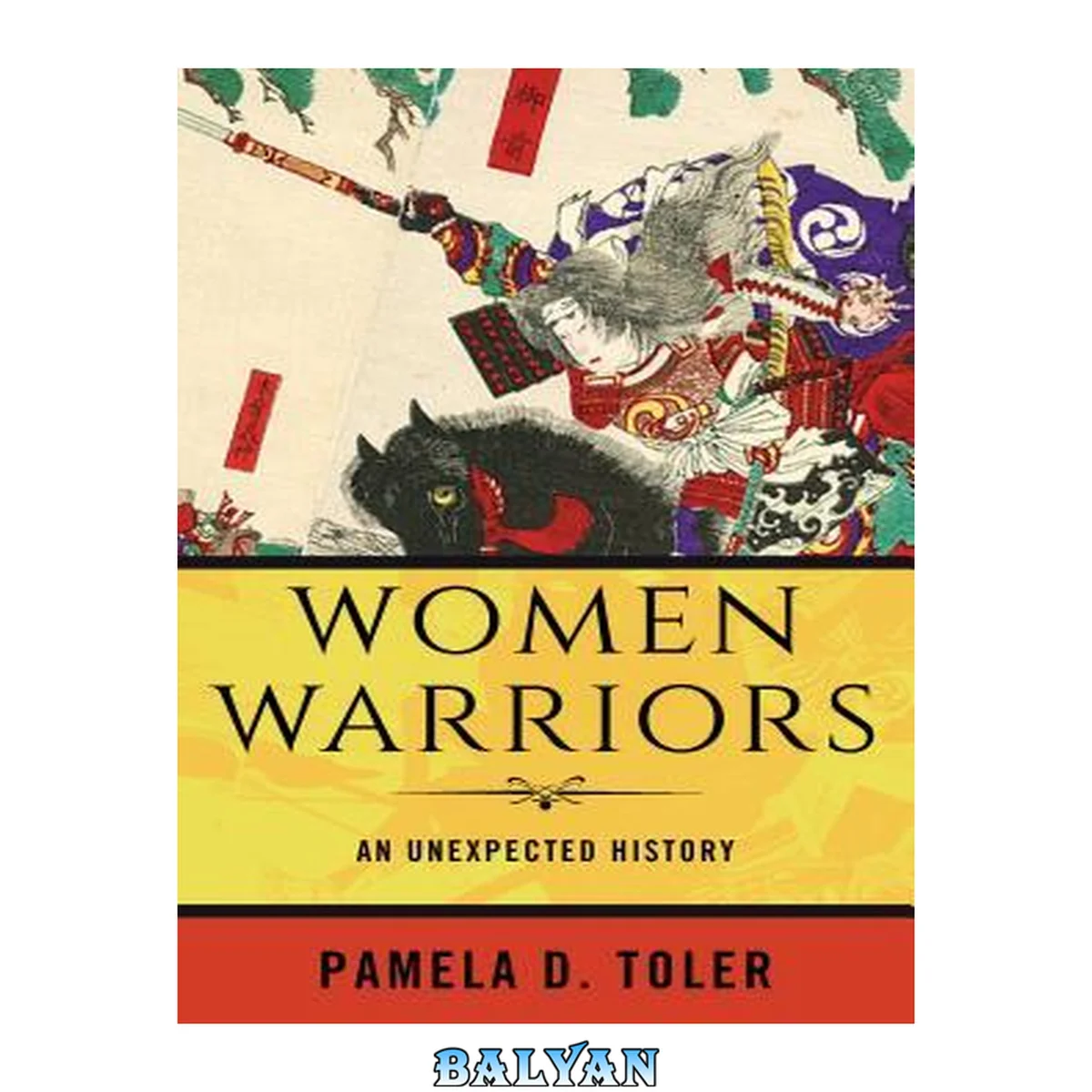
معرفی کتاب «Women Warriors : An Unexpected History» نوشتهٔ Pamela D. Toler، منتشرشده توسط نشر Beacon Press در سال 2019. این کتاب در فرمت epub، زبان انگلیسی ارائه شده است.
**Who says women don't go to war? From Vikings and African queens to cross-dressing military doctors and WWII Russian fighter pilots, these are the stories of women for whom battle was not a metaphor.**The woman warrior is always cast as an anomaly--Joan of Arc, not G.I. Jane. But women, it turns out, have always gone to war. In this fascinating, lively, and wide-ranging book, historian Pamela Toler draws from a lifetime of scouring books for mentions of women warriors to tell their stories and to consider why women go to war.Tomyris, ruler of the hard-riding Massagetae, and her warriors killed Cyrus the Great of Persia when he sought to invade her lands. She herself hacked off his head in revenge for the death of her son. The West African ruler Amina of Hausa, a contemporary of Elizabeth I, led her fierce warriors in a campaign of territorial expansion for more than thirty years. Like Elizabeth, she refused to marry; unlike Elizabeth, she never claimed to be a Virgin Queen. Contemporary accounts of medieval sieges in Europe describe women using firearms, participating in night raids, joining in the defense of breaches in the walls, and fighting hand-to-hand at the improvised barricades that often provided a last line of defense. Among the examples of female samurai in Japan are the Joshigun, a group of thirty seriously combat-trained women who fought against the forces of the Meiji emperor in the late 19th century.These are the stories of those who commanded from the rear and those who fought in the front lines, those who fought because they wanted to, because they had to, or because they could. Considering the ways in which their presence has been erased from history, Toler concludes that women have always fought: not in spite of being women but because they are women. Who Says Women Don't Go To War? From Vikings And African Queens To Cross-dressing Military Doctors And Wwii Russian Fighter Pilots, These Are The Stories Of Women For Whom Battle Was Not A Metaphor. * The Woman Warrior Is Always Cast As An Anomaly--joan Of Arc, Not Gi Jane. But Women, It Turns Out, Have Always Gone To War. In This Fascinating And Lively World History, Pamela Toler Not Only Introduces Us To Women Who Took Up Arms, She Also Shows Why They Did It And What Happened When They Stepped Out Of Their Traditional Female Roles To Take On Other Identities. * These Are The Stories Of Women Who Fought Because They Wanted To, Because They Had To, Or Because They Could. Among The Warriors You'll Meet Are * Tomyris, Ruler Of The Massagetae, Who Killed Cyrus The Great Of Persia When He Sought To Invade Her Lands * The West African Ruler Amina Of Hausa, Who Led Her Warriors In A Campaign Of Territorial Expansion For More Than 30 Years * Boudica, Who Led The Celtic Tribes Of Britain Into A Massive Rebellion Against The Roman Empire To Avenge The Rapes Of Her Daughters * The Trung Sisters, Trung Trac And Trung Nhi, Who Led An Untrained Army Of 80,000 Troops To Drive The Chinese Empire Out Of Vietnam * The Joshigun, A Group Of 30 Combat-trained Japanese Women Who Fought Against The Forces Of The Meiji Emperor In The Late 19th Century * Lakshmi Bai, Rani Of Jhansi, Who Was Regarded As The Bravest And Best Military Leader In The 1857 Indian Mutiny Against British Rule * Maria Bochkareva, Who Commanded Russia's First All-female Battalion--the First Women's Battalion Of Death--during Wwii * Dr. James Barry (nee Margaret Buckley), Who Served As A Doctor In The British Army In The 19th Century, During Which Time He Performed The First Ever Caesarean Section * Buffalo Calf Road Woman, The Cheyenne Warrior Who Knocked General Custer Off His Horse At The Battle Of Little Bighorn * Juana Azurduy De Padilla, A Mestiza Warrior Who Fought In At Least 16 Major Battles Against Colonizers Of Latin America And Who Is A National Hero In Bolivia And Argentina Today * And Many More Spanning From Ancient Times Through The 20th Century. By Considering The Ways In Which Their Presence Has Been Erased From History, Toler Reveals That Women Have Always Fought--not In Spite Of Being Women But Because They Are Women-- Introduction: Women Do Not Fight -- Don't Mess With Mama -- Her Father's Daughter -- Checkpoint: Her Mother's Daughter -- The Widow's Rampage -- The Most Powerful Piece On The Chessboard -- Checkpoint: A Queen In All But Name -- Chapter Five: Joan Of Arc Of [fill In The Blank] -- Chapter Six: Wo-manning The Ramparts -- Checkpoint: Molly Pitcher(s)? -- In Disguise -- No Disguise Needed -- Checkpoint: Was She Or Wasn't She -- Conclusion: Insignificant Exceptions? Pamela D. Toler. Includes Bibliographical References And Index. "Who says women don't go to war? From Vikings and African queens to cross-dressing military doctors and WWII Russian fighter pilots, these are the stories of women for whom battle was not a metaphor. * The woman warrior is always cast as an anomaly -- Joan of Arc, not GI Jane. But women, it turns out, have always gone to war. In this fascinating and lively world history, Pamela Toler not only introduces us to women who took up arms, she also shows why they did it and what happened when they stepped out of their traditional female roles to take on other identities. * These are the stories of women who fought because they wanted to, because they had to, or because they could. Among the warriors you'll meet are * Tomyris, ruler of the Massagetae, who killed Cyrus the Great of Persia when he sought to invade her lands * The West African ruler Amina of Hausa, who led her warriors in a campaign of territorial expansion for more than 30 years * Boudica, who led the Celtic tribes of Britain into a massive rebellion against the Roman Empire to avenge the rapes of her daughters * The Trung sisters, Trung Trac and Trung Nhi, who led an untrained army of 80,000 troops to drive the Chinese empire out of Vietnam * The Joshigun, a group of 30 combat-trained Japanese women who fought against the forces of the Meiji emperor in the late 19th century * Lakshmi Bai, Rani of Jhansi, who was regarded as the "bravest and best" military leader in the 1857 Indian Mutiny against British rule * Maria Bochkareva, who commanded Russia's first all-female battalion -- the First Women's Battalion of Death -- during WWII * Dr. James Barry (nee Margaret Buckley), who served as a doctor in the British army in the 19th century, during which time he performed the first ever Caesarean section * Buffalo Calf Road Woman, the Cheyenne warrior who knocked General Custer off his horse at the Battle of Little Bighorn * Juana Azurduy de Padilla, a Mestiza warrior who fought in at least 16 major battles against colonizers of Latin America and who is a national hero in Bolivia and Argentina today * And many more spanning from ancient times through the 20th century. By considering the ways in which their presence has been erased from history, Toler reveals that women have always fought -- not in spite of being women but because they are women"-- Provided by publisher Discover the incredible stories of warrior women throughout history—from Vikings and African queens to cross-dressing military doctors and WWII fighter pilots. Who says women don't go to war? These “exhilarating accounts... finally put to rest the tired old arguments that only men are fit for combat” (Adrienne Mayor, author of The Amazons). The woman warrior is always cast as an anomaly—Joan of Arc, not GI Jane. But women, it turns out, have always gone to war. In this fascinating and lively world history, Pamela Toler not only introduces us to women who took up arms, she also shows why they did it and what happened when they stepped out of their traditional female roles to take on other identities. These are the stories of women who fought because they wanted to, because they had to, or because they could. Spanning from ancient history to the 20th century, you'll meet a cast of powerful women that includes: • Tomyris, ruler of the Massagetae, who killed Cyrus the Great of Persia when he sought to invade her lands • Amina of Hausa, the West African ruler who led her warriors in a campaign of territorial expansion for more than 30 years • Boudica, who led the Celtic tribes of Britain into a massive rebellion against the Roman Empire to avenge the rapes of her daughters • The Trung Sisters, who led an untrained army of 80,000 troops to drive the Chinese empire out of Vietnam • The Joshigun, a group of 30 combat-trained Japanese women who fought against the forces of the Meiji emperor in the late 19th century • Lakshmi Bai, Rani of Jhansi, who was regarded as the “bravest and best” military leader in the 1857 Indian Mutiny against British rule • Maria Bochkareva, who commanded Russia's first all-female battalion—the First Women's Battalion of Death—during WWII • Buffalo Calf Road Woman, the Cheyenne warrior who knocked General Custer off his horse at the Battle of Little Bighorn • Juana Azurduy de Padilla, a mestiza warrior who fought in at least 16 major battles against colonizers of Latin America and who is a national hero in Bolivia and Argentina today By considering the ways in which their presence has been erased from history, Toler reveals that women have always fought—not in spite of being women but because they are women. Who says women don't go to war? From Vikings and African queens to cross-dressing military doctors and WWII Russian fighter pilots, these are the stories of women for whom battle was not a metaphor. The woman warrior is always cast as an anomaly--Joan of Arc, not G.I. Jane. But women, it turns out, have always gone to war. In this fascinating, lively, and wide-ranging book, historian Pamela Toler draws from a lifetime of scouring books for mentions of women warriors to tell their stories and to consider why women go to war. Tomyris, ruler of the hard-riding Massagetae, and her warriors killed Cyrus the Great of Persia when he sought to invade her lands. She herself hacked off his head in revenge for the death of her son. The West African ruler Amina of Hausa, a contemporary of Elizabeth I, led her fierce warriors in a campaign of territorial expansion for more than thirty years. Like Elizabeth, she refused to marry; unlike Elizabeth, she never claimed to be a Virgin Queen. Contemporary accounts of medieval sieges in Europe describe women using firearms, participating in night raids, joining in the defense of breaches in the walls, and fighting hand-to-hand at the improvised barricades that often provided a last line of defense. Among the examples of female samurai in Japan are the Joshigun, a group of thirty seriously combat-trained women who fought against the forces of the Meiji emperor in the late 19th century. These are the stories of those who commanded from the rear and those who fought in the front lines, those who fought because they wanted to, because they had to, or because they could. Considering the ways in which their presence has been erased from history, Toler concludes that women have always fought: not in spite of being women but because they are women.
دانلود کتاب Women Warriors : An Unexpected History