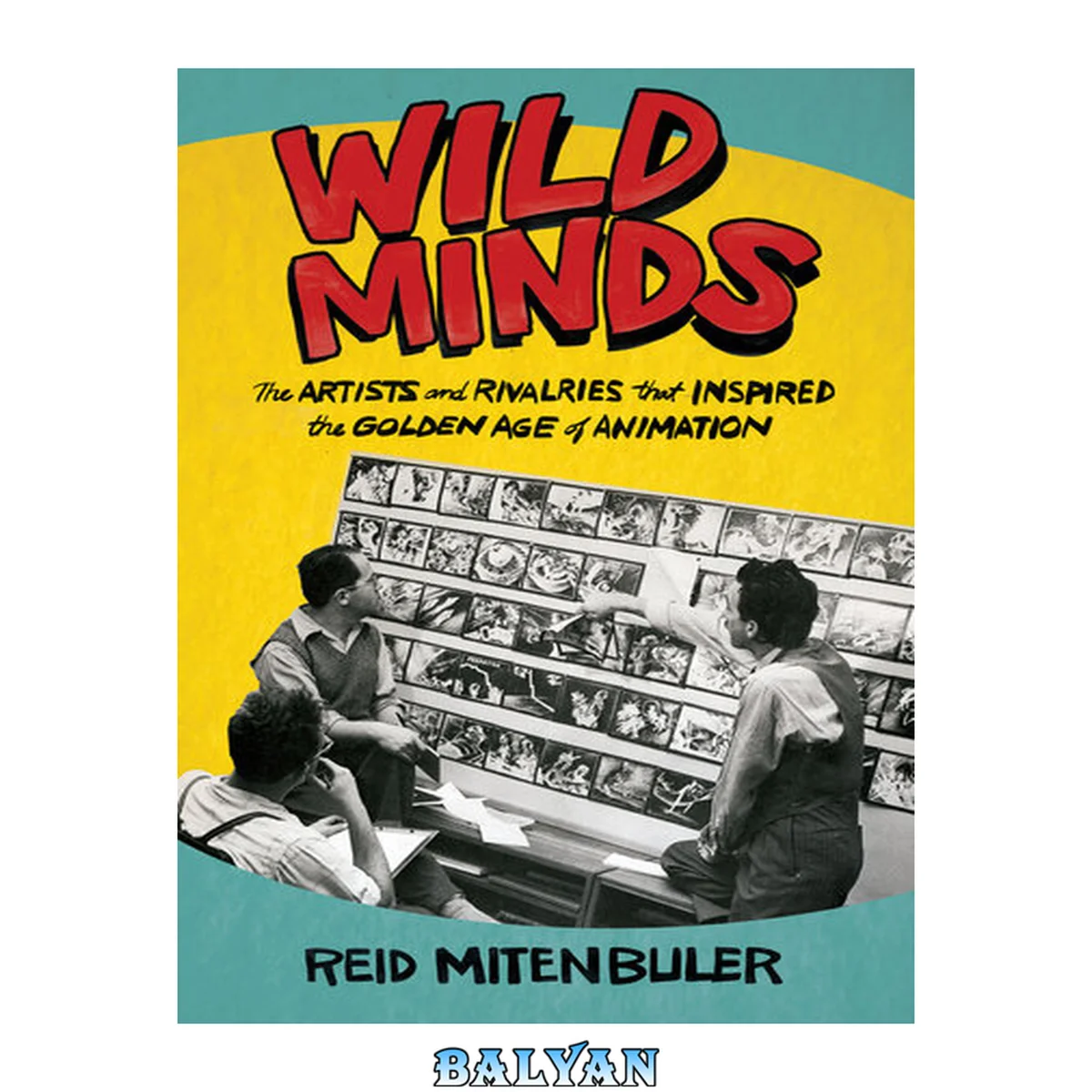
معرفی کتاب «Wild Minds : The Artists and Rivalries That Inspired the Golden Age of Animation» نوشتهٔ Reid Mitenbuler، منتشرشده توسط نشر Atlantic Monthly Press در سال 2020. این کتاب در فرمت epub، زبان انگلیسی ارائه شده است.
The vivid and untold story of the Golden Age of classic animation and the often larger-than-life artists who created some of the most iconic cartoon characters of the twentieth century In 1911, famed cartoonist Winsor McCay debuted one of the first animated cartoons, based on his sophisticated newspaper strip "Little Nemo in Slumberland," itself inspired by Freud's recent research on dreams. McCay is largely forgotten today, but he unleashed an art form, and the creative energy of artists from Otto Messmer and Max Fleischer to Walt Disney and Warner Bros.' Chuck Jones. Their origin stories, rivalries, and sheer genius, as Reid Mitenbuler skillfully relates, were as colorful and subversive as their creations--from Felix the Cat to Bugs Bunny to feature films such as Fantasia --which became an integral part and reflection of American culture over the next five decades. Pre-television, animated cartoons were aimed squarely at adults; comic preludes to movies, they were often "little hand grenades of social and political satire." Early Betty Boop cartoons included nudity; Popeye stories contained sly references to the injustices of unchecked capitalism. "During its first half-century," Mitenbuler writes, "animation was an important part of the culture wars about free speech, censorship, the appropriate boundaries of humor, and the influence of art and media on society." During WWII it also played a significant role in propaganda. The Golden Age of animation ended with the advent of television, when cartoons were sanitized to appeal to children and help advertisers sell sugary breakfast cereals. Wild Minds is an ode to our colorful past and to the creative energy that later inspired The Simpsons , South Park , and BoJack Horseman . "In 1911, the famed cartoonist Winsor McCay debuted an animated version of his popular newspaper strip, Little Nemo in Slumberland. Loosely inspired by Sigmund Freud's research on dreams, the film was one of the very first of its kind. McCay is largely forgotten today, but his work helped unleash the creative energy of animators like Otto Messmer, Max Fleischer, Walt Disney, and Chuck Jones. Their origin stories, rivalries, and sheer genius, as Reid Mitenbuler skillfully relates, were as colorful and subversive as their creations--from Felix the Cat to Bugs Bunny to feature films such as Fantasia--which became an integral part of American culture over the next five decades. Before television, animated cartoons were often "little hand grenades of social and political satire" aimed squarely at adults. Early Betty Boop cartoons included nudity. Popeye stories slyly criticized the injustices of unchecked capitalism. Wile E. Coyote and the Road Runner were used to explore hidden depths of the American psyche. "During its first half-century," Mitenbuler writes, "animation was an important part of the culture wars about free speech, censorship, the appropriate boundaries of humor, and the influence of art and media on society." During WWII it also played a significant role in propaganda. The golden age of animation ended with the advent of television when cartoons were sanitized to appeal to a growing demographic of children and help advertisers sell sugary breakfast cereals. Alongside these stories, Mitenbuler incorporates the surprising contributions of Theodor Geisel (Dr. Seuss), voice artist Mel Blanc, composer Leopold Stokowski, and many others whose talents influenced the world of animation. Illustrated throughout in both black-and-white and color, with rare drawings and photographs, Wild Minds is an ode to our lively past and to the creative energy that would inspire The Simpsons, South Park, and BoJack Horseman today"-- "The vivid and untold story of the golden age of classic animation and the often larger-than-life artists who created some of the most iconic cartoon characters of the twentieth century."--Dust jacket flap. "In 1911, the famed cartoonist Winsor McCay debuted an animated version of his popular newspaper strip, Little Nemo in Slumberland. Loosely inspired by Sigmund Freud's research on dreams, the film was one of the very first of its kind. McCay is largely forgotten today, but his work helped unleash the creative energy of animators like Otto Messmer, Max Fleischer, Walt Disney, and Chuck Jones. Their origin stories, rivalries, and sheer genius, as Reid Mitenbuler skillfully relates, were as colorful and subversive as their creations--from Felix the Cat to Bugs Bunny to feature films such as Fantasia--which became an integral part of American culture over the next five decades. Before television, animated cartoons were often "little hand grenades of social and political satire" aimed squarely at adults. Early Betty Boop cartoons included nudity. Popeye stories slyly criticized the injustices of unchecked capitalism. Wile E. Coyote and the Road Runner were used to explore hidden depths of the American psyche. "During its first half-century," Mitenbuler writes, "animation was an important part of the culture wars about free speech, censorship, the appropriate boundaries of humor, and the influence of art and media on society." During WWII it also played a significant role in propaganda. The golden age of animation ended with the advent of television when cartoons were sanitized to appeal to a growing demographic of children and help advertisers sell sugary breakfast cereals. Alongside these stories, Mitenbuler incorporates the surprising contributions of Theodor Geisel (Dr. Seuss), voice artist Mel Blanc, composer Leopold Stokowski, and many others whose talents influenced the world of animation. Illustrated throughout in both black-and-white and color, with rare drawings and photographs, Wild Minds is an ode to our lively past and to the creative energy that would inspire The Simpsons, South Park, and BoJack Horseman today"-- Provided by publisher "A thoroughly captivating behind-the-scenes history of classic American animation . . . A must-read for all fans of the medium." #8212;Matt Groening In 1911, famed cartoonist Winsor McCay debuted one of the first animated cartoons, based on his sophisticated newspaper strip "Little Nemo in Slumberland," itself inspired by Freud's recent research on dreams. McCay is largely forgotten today, but he unleashed an art form, and the creative energy of artists from Otto Messmer and Max Fleischer to Walt Disney and Warner Bros.' Chuck Jones. Their origin stories, rivalries, and sheer genius, as Reid Mitenbuler skillfully relates, were as colorful and subversive as their creations#8212;from Felix the Cat to Bugs Bunny to feature films such as Fantasia #8212;which became an integral part and reflection of American culture over the next five decades. Pre-television, animated cartoons were aimed squarely at adults; comic preludes to movies, they were often "little hand grenades of social and political satire." Early Betty Boop cartoons included nudity; Popeye stories contained sly references to the injustices of unchecked capitalism. During WWII, animation also played a significant role in propaganda. The Golden Age of animation ended with the advent of television, when cartoons were sanitized to appeal to children and help advertisers sell sugary breakfast cereals. Wild Minds is an ode to our colorful past and to the creative energy that later inspired The Simpsons , South Park , and BoJack Horseman . "A quintessentially American story of daring ambition, personal reinvention and the eternal tug-of-war of between art and business . . . a gem for anyone wanting to understand animation's origin story." #8212;NPR
"A thoroughly captivating behind-the-scenes history of classic American animation... A must-read for all fans of the medium." —Matt Groening In 1911, famed cartoonist Winsor McCay debuted one of the first animated cartoons, based on his sophisticated newspaper strip "Little Nemo in Slumberland, " itself inspired by Freud's recent research on dreams. McCay is largely forgotten today, but he unleashed an art form, and the creative energy of artists from Otto Messmer and Max Fleischer to Walt Disney and Warner Bros.' Chuck Jones. Their origin stories, rivalries, and sheer genius, as Reid Mitenbuler skillfully relates, were as colorful and subversive as their creations—from Felix the Cat to Bugs Bunny to feature films such as Fantasia —which became an integral part and reflection of American culture over the next five decades. Pre-television, animated cartoons were aimed squarely at adults; comic preludes to movies, they were often "little hand grenades of social and political satire." Early Betty Boop cartoons included nudity; Popeye stories contained sly references to the injustices of unchecked capitalism. During WWII, animation also played a significant role in propaganda. The Golden Age of animation ended with the advent of television, when cartoons were sanitized to appeal to children and help advertisers sell sugary breakfast cereals. Wild Minds is an ode to our colorful past and to the creative energy that later inspired The Simpsons, South Park, and BoJack Horseman. "A quintessentially American story of daring ambition, personal reinvention and the eternal tug-of-war of between art and business... a gem for anyone wanting to understand animation's origin story." —NPR
**The vivid and untold story of the Golden Age of classic animation and the often larger-than-life artists who created some of the most iconic cartoon characters of the twentieth century**__Fantasia____Wild Minds____The Simpsons____South Park____BoJack Horseman__