Why Germany Nearly Won: A New History of the Second World War in Europe (War, Technology, and History)
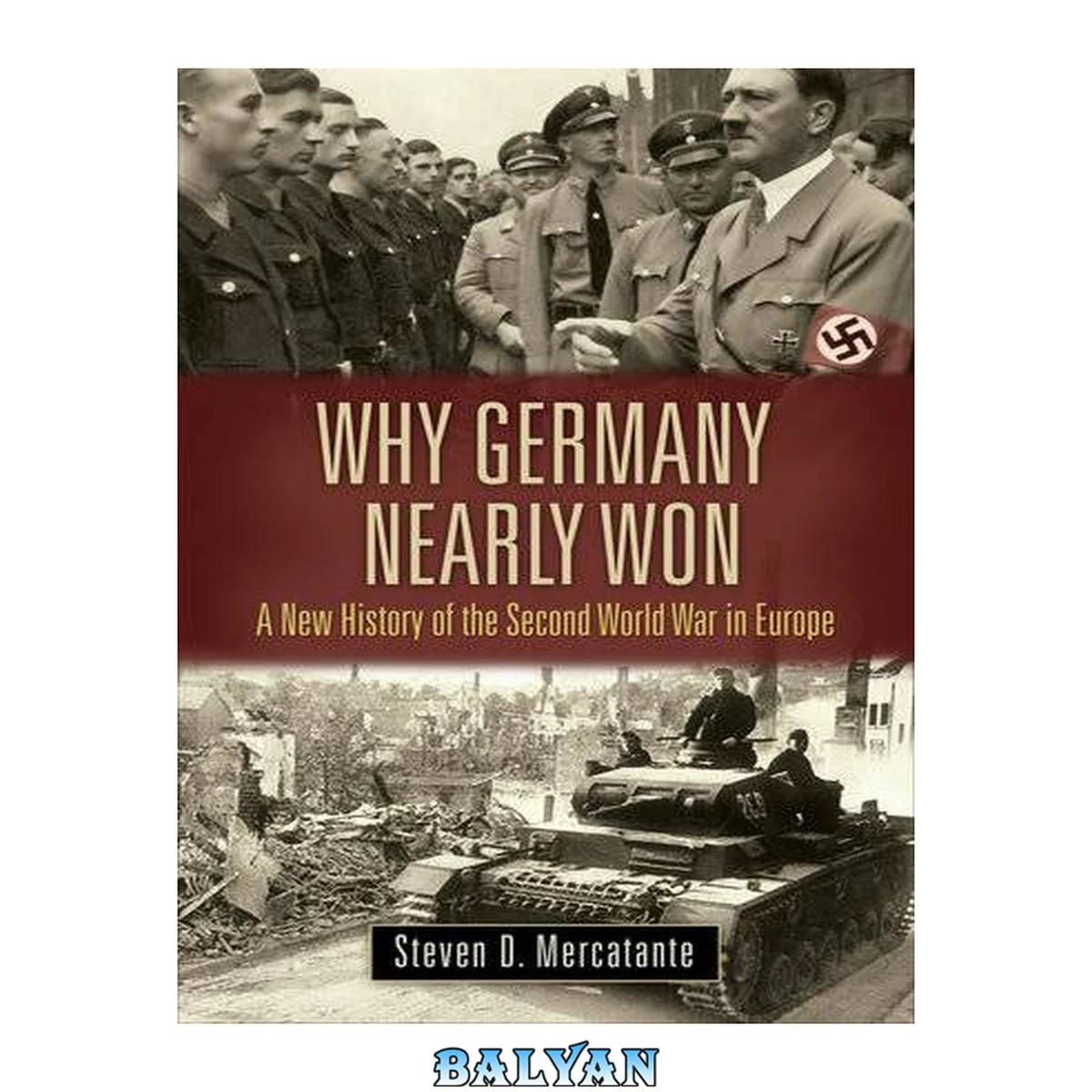
معرفی کتاب «Why Germany Nearly Won: A New History of the Second World War in Europe (War, Technology, and History)» نوشتهٔ Richard، Welps و Steven D. Mercatante; Robert M. Citino، منتشرشده توسط نشر ABC-CLIO در سال 2012. این کتاب در فرمت epub، زبان انگلیسی ارائه شده است.
__Why Germany Nearly Won: A New History of the Second World War in Europe__ challenges this conventional wisdom in highlighting how the re-establishment of the traditional German art of war—updated to accommodate new weapons systems—paved the way for Germany to forge a considerable military edge over its much larger potential rivals by playing to its qualitative strengths as a continental power. Ironically, these methodologies also created and exacerbated internal contradictions that undermined the same war machine and left it vulnerable to enemies with the capacity to adapt and build on potent military traditions of their own. The book begins by examining topics such as the methods by which the German economy and military prepared for war, the German military establishment's formidable strengths, and its weaknesses. The book then takes an entirely new perspective on explaining the Second World War in Europe. It demonstrates how Germany, through its invasion of the Soviet Union, came within a whisker of cementing a European-based empire that would have allowed the Third Reich to challenge the Anglo-American alliance for global hegemony—an outcome that by commonly cited measures of military potential Germany never should have had even a remote chance of accomplishing. The book's last section explores the final year of the war and addresses how Germany was able to hang on against the world's most powerful nations working in concert to engineer its defeat. This book offers a unique perspective for understanding how and why the Second World War in Europe ended as it did and why Germany, in attacking the Soviet Union, came far closer to winning the war than is often understood. Conventional wisdom explains German defeat during World War II as almost inevitable, primarily for reasons of economic or military brute force created when Germany attacked the Soviet Union in 1941 and entered into a two-front war. Author Steven Mercatante challenges this in highlighting how the re-establishment of the traditional German art of war, updated to accommodate new weapons systems, paved the way for Germany to forge a considerable military edge over its much larger potential rivals by playing to its qualitative strengths as a continental power. These methodologies also created internal contradictions that undermined the same war machine and left it vulnerable to enemies with capacity to adapt and build on potent military traditions of their own. The book begins by examining methods by which German economy and military prepared for war, German military establishment's formidable strengths, and its weaknesses. The author then takes a new perspective on explaining the Second World War in Europe. He demonstrates how Germany, through its invasion of the Soviet Union, came within a whisker of cementing a European-based empire that would have allowed the Third Reich to challenge the Anglo-American alliance for global hegemony. The last section explores final year of the war and addresses how Germany was able to hang on against the world's most powerful nations working in concert to engineer its defeat. The author demonstrates how closely fought the war actually was and demolishes the long-standing myth that Germany's purportedly professional war machine would have won the war but for Hitler's incompetent leadership. He explains how the Mediterranean Theater of the War represented a crucial distraction and net drain on the primary German war effort in Eastern Europe and reveals why it was the combined arms panzer division as one key bolstering German army's renaissance, not the tank itself This book offers a unique perspective for understanding how and why the Second World War in Europe ended as it did—and why Germany, in attacking the Soviet Union, came far closer to winning the war than is often perceived. Why Germany Nearly Won: A New History of the Second World War in Europe challenges this conventional wisdom in highlighting how the re-establishment of the traditional German art of war—updated to accommodate new weapons systems—paved the way for Germany to forge a considerable military edge over its much larger potential rivals by playing to its qualitative strengths as a continental power. Ironically, these methodologies also created and exacerbated internal contradictions that undermined the same war machine and left it vulnerable to enemies with the capacity to adapt and build on potent military traditions of their own. The book begins by examining topics such as the methods by which the German economy and military prepared for war, the German military establishment's formidable strengths, and its weaknesses. The book then takes an entirely new perspective on explaining the Second World War in Europe. It demonstrates how Germany, through its invasion of the Soviet Union, came within a whisker of cementing a European-based empire that would have allowed the Third Reich to challenge the Anglo-American alliance for global hegemony—an outcome that by commonly cited measures of military potential Germany never should have had even a remote chance of accomplishing. The book's last section explores the final year of the war and addresses how Germany was able to hang on against the world's most powerful nations working in concert to engineer its defeat. Detailed maps show the position and movement of opposing forces during the key battles discussed in the book More than 30 charts, figures, and appendices, including detailed orders of battle, economic figures, and equipment comparisons Key to Military Symbols pt. 1. The German War Machine on the Eve of War : Myth vs. Reality The Third Reich Ascendant : The Reasons Why pt. 2. Comparing the World's First Military Superpowers on the Eve of War History's Bloodiest Conflict Begins An Inconvenient Decision Confronts Germany's Masters of War Another Role of the Dice Stalingrad in Context The European War's Periphery Seizing the Initiative : The Sword vs. the Shield pt. 3. A New Perspective for Explaining D-Day's Outcome Hitler's Greatest Defeat How the Third Reich Staved off Total Defeat during the Summer of '44 End Game.
دانلود کتاب Why Germany Nearly Won: A New History of the Second World War in Europe (War, Technology, and History)