White Bread : A Social History of the Store-Bought Loaf
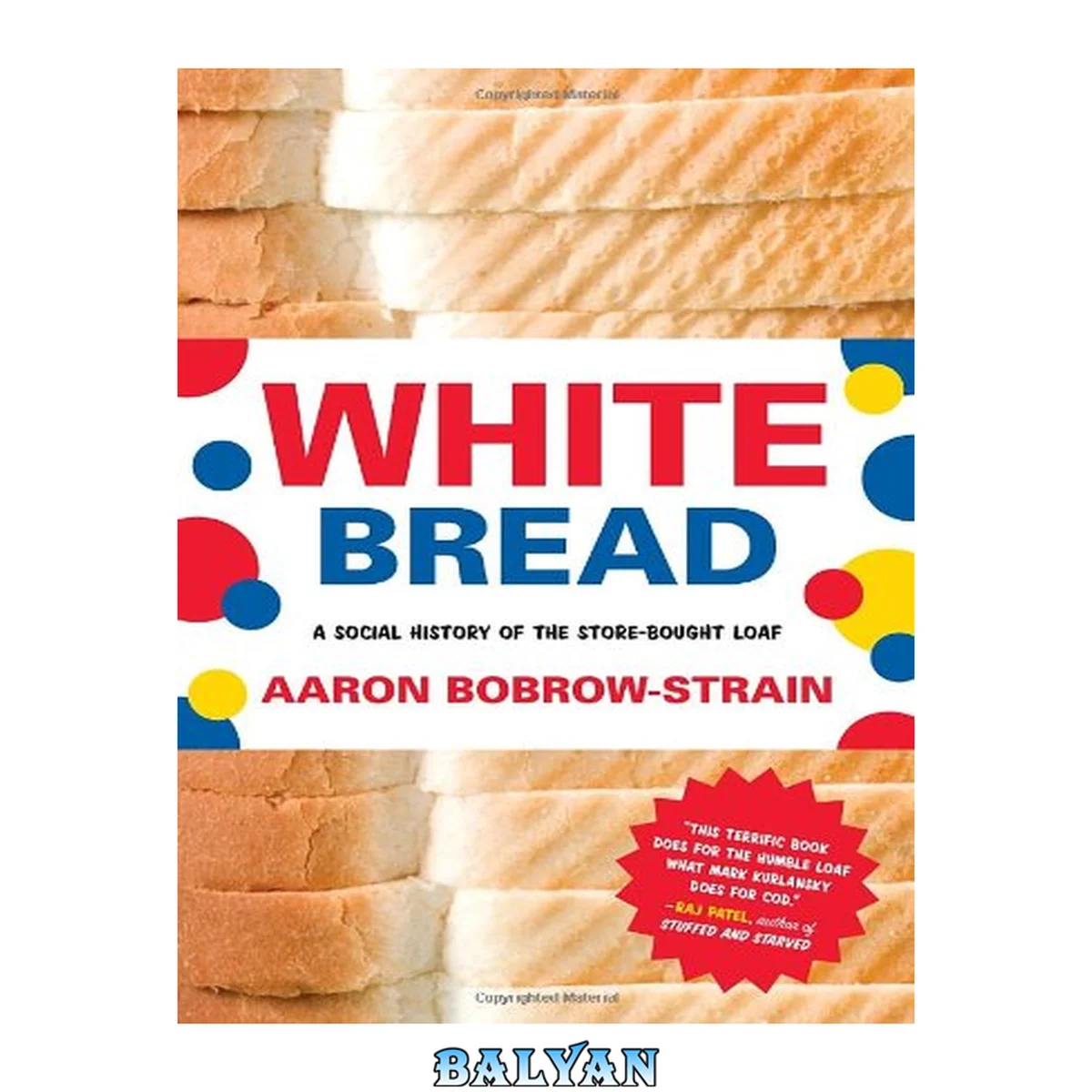
معرفی کتاب «White Bread : A Social History of the Store-Bought Loaf» نوشتهٔ Edward Osborne Wilson و Aaron Bobrow-Strain، منتشرشده توسط نشر Beacon Press در سال 2012. این کتاب در فرمت epub، زبان انگلیسی ارائه شده است.
How did white bread, once an icon of American progress, become “white trash”? In this lively history of bakers, dietary crusaders, and social reformers, Aaron Bobrow-Strain shows us that what we think about the humble, puffy loaf says a lot about who we are and what we want our society to look like. White Bread teaches us that when Americans debate what one should eat, they are also wrestling with larger questions of race, class, immigration, and gender. As Bobrow-Strain traces the story of bread, from the first factory loaf to the latest gourmet pain au levain, he shows how efforts to champion “good food” reflect dreams of a better society—even as they reinforce stark social hierarchies. In the early twentieth century, the factory-baked loaf heralded a bright new future, a world away from the hot, dusty, “dirty” bakeries run by immigrants. Fortified with vitamins, this bread was considered the original “superfood” and even marketed as patriotic—while food reformers painted white bread as a symbol of all that was wrong with America. The history of America’s one-hundred-year-long love-hate relationship with white bread reveals a lot about contemporary efforts to change the way we eat. Today, the alternative food movement favors foods deemed ethical and environmentally correct to eat, and fluffy industrial loaves are about as far from slow, local, and organic as you can get. Still, the beliefs of early twentieth-century food experts and diet gurus, that getting people to eat a certain food could restore the nation’s decaying physical, moral, and social fabric, will sound surprisingly familiar. Given that open disdain for “unhealthy” eaters and discrimination on the basis of eating habits grow increasingly acceptable, White Bread is a timely and important examination of what we talk about when we talk about food The story of how white bread became white trash, this social history shows how our relationship with the love-it-or-hate-it food staple reflects our countrys changing values In the early twentieth century, the factory-baked loaf heralded a bright new future, a world away from the hot, dusty, dirty bakeries run by immigrants. Fortified with vitamins, this bread was considered the original superfood and even marketed as patrioticwhile food reformers painted white bread as a symbol of all that was wrong with America.#160; So how did this icon of American progress become#160;white trash? In this lively history of bakers, dietary crusaders, and social reformers, Aaron Bobrow-Strain shows us that what we think about the humble, puffy loaf says a lot about who we are and what we want our society to look like. It#160;teaches us that when Americans debate what one should eat, they are also wrestling with larger questions of race, class, immigration, and gender. As Bobrow-Strain traces the story of bread, from the first factory loaf to the latest gourmet#160; pain au levain , he shows how efforts to champion good food reflect dreams of a better societyeven as they reinforce stark social hierarchies. #160; The history of Americas love-hate relationship with white bread reveals a lot about contemporary efforts to change the way we eat. Today, the alternative food movement favors foods deemed ethical and environmentally friendlyand fluffy industrial loaves are about as far from slow, local, and organic as you can get. Still, the early twentieth-century belief#160;that getting people to eat a certain food could restore the nations decaying physical, moral, and social fabric will sound surprisingly familiar. Given that open disdain for unhealthy eaters and discrimination on the basis of eating habits grow increasingly acceptable,#160; White Bread #160;is a timely and important examination of what we talk about when we talk about food The story of how white bread became white trash, this social history shows how our relationship with the love-it-or-hate-it food staple reflects our country’s changing values In the early twentieth century, the factory-baked loaf heralded a bright new future, a world away from the hot, dusty, “dirty” bakeries run by immigrants. Fortified with vitamins, this bread was considered the original “superfood” and even marketed as patriotic—while food reformers painted white bread as a symbol of all that was wrong with America. So how did this icon of American progress become “white trash”? In this lively history of bakers, dietary crusaders, and social reformers, Aaron Bobrow-Strain shows us that what we think about the humble, puffy loaf says a lot about who we are and what we want our society to look like. It teaches us that when Americans debate what one should eat, they are also wrestling with larger questions of race, class, immigration, and gender. As Bobrow-Strain traces the story of bread, from the first factory loaf to the latest gourmet pain au levain , he shows how efforts to champion “good food” reflect dreams of a better society—even as they reinforce stark social hierarchies. The history of America’s love-hate relationship with white bread reveals a lot about contemporary efforts to change the way we eat. Today, the alternative food movement favors foods deemed ethical and environmentally friendly—and fluffy industrial loaves are about as far from slow, local, and organic as you can get. Still, the early twentieth-century belief that getting people to eat a certain food could restore the nation’s decaying physical, moral, and social fabric will sound surprisingly familiar. Given that open disdain for “unhealthy” eaters and discrimination on the basis of eating habits grow increasingly acceptable, White Bread is a timely and important examination of what we talk about when we talk about food. How did white bread, once an icon of American progress, become “white trash”? In this lively history of bakers, dietary crusaders, and social reformers, Aaron Bobrow-Strain shows us that what we think about the humble, puffy loaf says a lot about who we are and what we want our society to look like.__White Bread____pain au levain,__ In the early twentieth century, the factory-baked loaf heralded a bright new future, a world away from the hot, dusty, “dirty” bakeries run by immigrants. Fortified with vitamins, this bread was considered the original “superfood” and even marketed as patriotic—while food reformers painted white bread as a symbol of all that was wrong with America. The history of America’s one-hundred-year-long love-hate relationship with white bread reveals a lot about contemporary efforts to change the way we eat. Today, the alternative food movement favors foods deemed ethical and environmentally correct to eat, and fluffy industrial loaves are about as far from slow, local, and organic as you can get. Still, the beliefs of early twentieth-century food experts and diet gurus, that getting people to eat a certain food could restore the nation’s decaying physical, moral, and social fabric, will sound surprisingly familiar. Given that open disdain for “unhealthy” eaters and discrimination on the basis of eating habits grow increasingly acceptable, is a timely and important examination of what we talk about when we talk about food What can the history of America's one-hundred-year love-hate relationship with sliced white bread tell us about contemporary efforts to change the way we eat? How did white bread, once an icon of American progress, become "white trash"? Fluffy industrial loaves are about as far from slow, local, and organic as you can get, but the story of social reformers, food experts, and diet gurus who believed that getting people to eat certain food could restore the nation's decaying physical, moral, and social fabric will sound very familiar. This book teaches us that when Americans debate what one should eat, they are also wrestling with larger questions of race, class, immigration, and gender. Here the author argues that what we think about the humble, puffy loaf says a lot about who we are and what we want our society to look like. As he traces the story of bread, from the first factory loaf to the latest gourmet pain au levain, he shows how efforts to champion "good food" reflect dreams of a better society, even as they reinforced stark social hierarchies. As open disdain for "unhealthy" eaters and discrimination on the basis of eating habits grow increasingly acceptable, the subject of this book is a timely examination of what we talk about when we talk about food What can the history of America's one-hundred-year love-hate relationship with sliced white bread tell us about contemporary efforts to change the way we eat? Fluffy industrial loaves are about as far from slow, local, and organic as you can get, but the story of social reformers, food experts, and diet gurus who believed that getting people to eat certain food could restore the nation's decaying physical, moral, and social fabric will sound very familiar. White Bread teaches us that when Americans debate what one should eat, they are also wrestling with larger questions of race, class, immigration, and gender. As Bobrow-Strain traces the story of bread, from the first factory loaf to the latest gourmet pain au levain, he shows how efforts to champion "good food" reflect dreams of a better society--even as they reinforce stark social hierarchies. In the early twentieth century, the factory-baked loaf heralded a new future, a world away from the hot, dusty, "dirty"... What can the history of America's one-hundred-year love-hate relationship with sliced white bread tell us about contemporary efforts to change the way we eat? Fluffy industrial loaves are about as far from slow, local, and organic as you can get, but the story of social reformers, food experts, and diet gurus who blieved that getting people to eat certain food could restore the nation's decaying physical, moral, and social fabric will sound very familiar. White bread teaches us that when Americans debate what one should eat, they are also wrestling with larger questions of race, class, immigration, and gender. As Bobrow-Strain traces the story of bread, from the first factory loaf to the latest gourmet pain au levain, he shows how efforts to champion "good food" reflect dreams of a better society--even as they reinforced stark social hierarchies
دانلود کتاب White Bread : A Social History of the Store-Bought Loaf