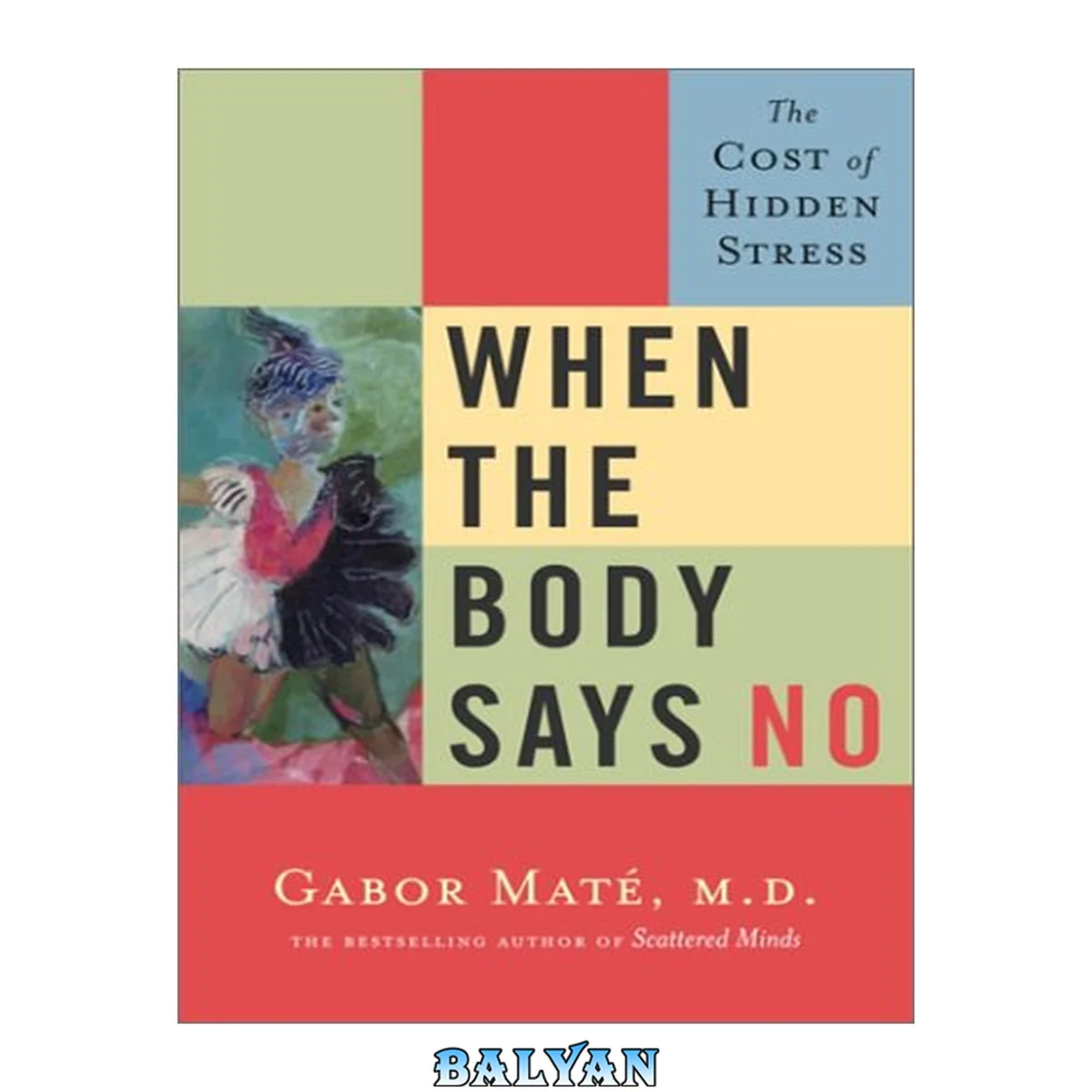
معرفی کتاب «When the Body Says No - The Cost of Hidden Stress» نوشتهٔ Gabor Maté، منتشرشده توسط نشر A.A. Knopf Canada در سال 2003. این کتاب در 320 صفحه، فرمت epub، زبان انگلیسی ارائه شده است.
وقتی بدن نه میگوید (When the Body Says No) نوشتهی گابور مته، پزشکی است که با نگاهی فراتر از پزشکی رایج، پرده از یک حقیقت بنیادین برمیدارد: بسیاری از بیماریهای مزمن، ریشه در استرسهای پنهانی دارند که سالها در سکوت، بر پیکر ما اثر میگذارند. این کتاب به بررسی علمی و درعینحال انسانی این موضوع میپردازد که چرا و چگونه سرکوب عواطف و فشارهای روانیِ نادیدهگرفتهشده، میتوانند راه را برای بیماریهای جدی هموار کنند.
دربارهٔ کتاب — وقتی بدن نه میگوید
کتاب «وقتی بدن نه میگوید» اثری پیشگامانه در حوزهی رواننورایمونولوژی (Psychoneuroimmunology) است؛ دانشی که به بررسی ارتباط متقابل ذهن، دستگاه عصبی و سیستم ایمنی میپردازد. گابور مته با بهرهگیری از دهها داستان واقعی از بیماران خود و همچنین بررسی مواردی از چهرههای شناختهشدهای چون رونالد ریگان، گیلدا رادنر و لنس آرمسترانگ، نشان میدهد که چگونه الگوهای شخصیتی خاص و سبکهای مقابلهایِ شکلگرفته در دوران کودکی، افراد را در معرض بیماریهایی همچون سرطان، اماس، آرتریت روماتوئید و بیماریهای التهابی روده قرار میدهد. مته که خود شاهد تأثیرات مخرب استرس بر زندگی مادرش در دوران هولوکاست بوده، با نگاهی همدلانه اما مستند به این مسئله میپردازد. او در این کتاب، مفهوم «شایستگی هیجانی» (Emotional Competence) را بهعنوان عاملی کلیدی در حفظ سلامت مطرح میکند و استدلال مینماید که ناتوانی در تشخیص، پردازش و ابراز احساسات، بهویژه خشم، منجر به برهمخوردن تعادل فیزیولوژیک بدن و درنهایت، بروز بیماری میشود. لحن کتاب، علمی و درعینحال صمیمی است و با زبانی قابلفهم برای عموم، مفاهیم پیچیدهی پزشکی را تشریح میکند.
چرا باید «وقتی بدن نه میگوید» را بخوانید؟
**درک ارتباط ذهن و بدن: میآموزید که چگونه استرس و احساسات سرکوبشده، مستقیماً بر سیستم ایمنی، هورمونی و عصبی شما تأثیر میگذارند و زمینهساز بیماری میشوند. **شناسایی الگوهای شخصیتیِ خطرآفرین: با مفاهیمی مانند «شخصیت نوع سی» (Type C) یا «بیمارِ خوب» آشنا میشوید؛ افرادی که برای جلب تأیید دیگران، نیازهای خود را نادیده میگیرند و در نتیجه، بدنشان هزینهی این سرکوب را میپردازد. **آشنایی با «هفت اصل شفابخش»: دکتر مته راهکارهایی عملی برای پیشگیری و بهبودی ارائه میدهد که به شما کمک میکند تا مرزهای سالمی در زندگی تعیین کنید و با استرسها بهشکلی مؤثرتر برخورد کنید. **دریافت دیدگاهی نوین به بیماریهای مزمن: اگر خود یا یکی از عزیزانتان به بیماریهای خودایمنی یا مزمن مبتلا هستید، این کتاب دیدگاهی جدید و امیدبخش را فراروی شما قرار میدهد که مکمل درمانهای رایج پزشکی است. **پیشگیری از بیماری با خودآگاهی: این کتاب به شما ابزاری برای خودشناسی میدهد تا با بازبینی در سبک زندگی و روابط عاطفیتان، بتوانید از بروز بسیاری از بیماریها در آینده پیشگیری کنید.
این کتاب برای چه کسانی مناسب است؟
این کتاب برای طیف وسیعی از مخاطبان مفید است؛ از افرادی که به هر دلیلی با استرس مزمن دستوپنجه نرم میکنند و به دنبال ریشهیابی مشکلات جسمی خود هستند، تا کسانی که در حوزههای درمانی، روانشناسی و مشاوره فعالیت میکنند و به دنبال درکی عمیقتر از عاملهای روانتنی بیماریها هستند. همچنین برای افرادی که خود را «همیشه در دسترس»، «انعطافپذیر» یا «آدمهای مردمدار» توصیف میکنند، اما در باطن احساس فرسودگی میکنند، مطالعهی این کتاب میتواند نقطهی عطفی در زندگیشان باشد. بااینحال، برخی منتقدان معتقدند که دکتر مته گاهی با تکیه بر داستانهای بیماران، بهجای شواهد آماری قوی، به نتیجهگیری میرسد و ممکن است در بیماران احساس گناه ایجاد کند. بنابراین، بهتر است این کتاب را بهعنوان یک منبع مکمل و آگاهیبخش در کنار درمانهای تخصصی در نظر گرفت.
سوالات متداول
آیا این کتاب ادعا میکند که افکار منفی باعث ایجاد سرطان میشوند؟
خیر، دکتر مته هرگز بیماران را بهخاطر بیماریشان سرزنش نمیکند. او بر نقش استرس مزمن و سرکوب عواطف بهعنوان عوامل افزایشدهندهی خطر تأکید دارد و معتقد است که شناخت این عوامل، اولین گام برای پیشگیری و بهبودی است.
آیا مطالب کتاب از نظر علمی معتبر است؟
بله، نویسنده با استناد به دهها مطالعهی علمی معتبر و تجربهی بالینی خود، استدلالهایش را مطرح میکند. اگرچه برخی محققان به نتیجهگیریهای قطعیتر از شواهد موجود انتقاد دارند، اما رویکرد کلی کتاب بر پایهی یافتههای علم رواننورایمونولوژی استوار است.
راهکارهای عملی کتاب چیست؟
دکتر مته در بخش انتهایی کتاب، «هفت اصل شفابخش» را معرفی میکند که بر تقویت شایستگی هیجانی، پذیرش احساسات (بهویژه خشم سالم)، و ایجاد مرزهای روانیِ محکم تمرکز دارند تا از تأثیرات مخرب استرس بر بدن کاسته شود.
In This Accessible And Groundbreaking Book -- Filled With The Moving Stories Of Real People -- Medical Doctor And Bestselling Author Of Scattered Minds, Gabor Maté, Shows That Emotion And Psychological Stress Play A Powerful Role In The Onset Of Chronic Illness. Western Medicine Achieves Spectacular Triumphs When Dealing With Acute Conditions Such As Fractured Bones Or Life-threatening Infections. It Is Less Successful Against Ailments Not Susceptible To The Quick Ministrations Of Scalpel, Antibiotic Or Miracle Drug. Trained To Consider Mind And Body Separately, Physicians Are Often Helpless In Arresting The Advance Of Most Of The Chronic Diseases, Such As Breast Cancer, Rheumatoid Arthritis, Crohn’s Disease, Multiple Sclerosis, Fibromyalgia, And Even Alzheimer’s Disease. Gabor Maté Has Found That In All Of These Chronic Conditions, There Is A Common Thread: People Afflicted By These Diseases Have Led Lives Of Excessive Stress, Often Invisible To The Individuals Themselves. From An Early Age, Many Of Us Develop A Psychological Coping Style That Keeps Us Out Of Touch With The Signs Of Stress. So-called Negative Emotions, Particularly Anger, Are Suppressed. Dr. Maté Writes With Great Conviction That Knowledge Of How Stress And Disease Are Connected Is Essential To Prevent Illness In The First Place, Or To Facilitate Healing. When The Body Says No Is An Impressive Contribution To Current Research On The Physiological Connection Between Life’s Stresses And Emotions And The Body Systems Governing Nerves, Immune Apparatus And Hormones. With Great Compassion And Erudition, Gabor Maté Demystifies Medical Science And, As He Did In Scattered Minds, Invites Us All To Be Our Own Health Advocates. Excerpt From When The Body Says No “only An Intellectual Luddite Would Deny The Enormous Benefits That Have Accrued To Humankind From The Scrupulous Application Of Scientific Methods. But Not All Aspects Of Illness Can Be Reduced To Facts Verified By Double-blind Studies And By The Strictest Scientific Techniques. We Confine Ourselves To A Narrow Realm Indeed If We Exclude From Accepted Knowledge The Contributions Of Human Experience And Insight. . . . “in 1892 William Osler, One Of The Greatest Physicians Of All Time, Suspected Rheumatoid Arthritis To Be A Stress-related Disorder. Today Rheumatology All But Ignores That Wisdom, Despite The Supporting Scientific Evidence That Has Accumulated In The 110 Years Since Osler First Published His Text. That Is Where The Narrow Scientific Approach Has Brought The Practice Of Medicine. Elevating Modern Science To Be The Final Arbiter Of Our Sufferings, We Have Been Too Eager To Discard The Insights Of Previous Ages.” From The Hardcover Edition. In this accessible and groundbreaking book-filled with the moving stories of real people-medical doctor and bestselling author of Scattered Minds, Gabor MatE, shows that emotion and psychological stress play a powerful role in the onset of chronic illness. Western medicine achieves spectacular triumphs when dealing with acute conditions such as fractured bones or life-threatening infections. It is less successful against ailments not susceptible to the quick ministrations of scalpel, antibiotic or miracle drug. Trained to consider mind and body separately, physicians are often helpless in arresting the advance of most of the chronic diseases, such as breast cancer, rheumatoid arthritis, Crohn's disease, multiple sclerosis, fibromyalgia, and even Alzheimer's disease. Gabor MatE has found that in all of these chronic conditions, there is a common thread: people afflicted by these diseases have led lives of excessive stress, often invisible to the individuals themselves. From an early age, many of us develop a psychological coping style that keeps us out of touch with the signs of stress. So-called negative emotions, particularly anger, are suppressed. Dr. MatE writes with great conviction that knowledge of how stress and disease are connected is essential to prevent illness in the first place, or to facilitate healing. When the Body Says No is an impressive contribution to current research on the physiological connection between life's stresses and emotions and the body systems governing nerves, immune apparatus and hormones. With great compassion and erudition, Gabor MatE demystifies medical science and, as he did in Scattered Minds, invites us all to be our own health advocates. Excerpt from When the Body Says No "Only an intellectual luddite would deny the enormous benefits that have accrued to humankind from the scrupulous application of scientific methods. But not all aspects of illness can be reduced to facts verified by double-blind studies and by the strictest scientific techniques. We confine ourselves to a narrow realm indeed if we exclude from accepted knowledge the contributions of human experience and insight ... ' "In 1892 William Osler, one of the greatest physicians of all time, suspected rheumatoid arthritis to be a stress-related disorder. Today rheumatology all but ignores that wisdom, despite the supporting scientific evidence that has accumulated in the 110 years since Osler first published his text. That is where the narrow scientific approach has brought the practice of medicine. Elevating modern science to be the final arbiter of our sufferings, we have been too eager to discard the insights of previous ages." From the Hardcover edition "Can a person literally die of loneliness? Is there a connection between inhibited emotion and Alzheimer's disease? Is there a "cancer personality"? Questions such as these are emerging as scientific findings throw new light on the controversy that surrounds the mind-body connection in illness and health. Modern research is confirming the age-old wisdom that emotions profoundly affect our physiology. Repressed emotions frequently bring on stress -- which, in turn, can lead to disease. Provocative and beautifully written, When the Body Says No provides fresh information regarding these and other important issues concerning the effects of stress on health. In lucid, easy-to-follow language, Dr. Gabor Mate summarizes the latest scientific findings about the role that stress and individual emotional makeup play in an array of diseases, including heart disease, diabetes, irritable bowel syndrome, multiple sclerosis, arthritis, cancer, and ALS, among others. Emotions like anger share with our immune system the role of defending our boundaries. When we repress emotions, we may also suppress our immune defenses. In some people, these defenses may go awry, destroying the body rather than protecting it. Dr. Mate explores the reason why, despite a rapidly accumulating body of evidence about the mind-body unity, most physicians continue to treat physical symptoms rather than persons -- and why we must understand the mind-body link in order to take an active role in our overall health. When the Body Says No promotes learning and healing. It offers the kind of transformative insight that promotes physical and emotional self-awareness -- the lack of which, Dr. Mate asserts, is at the root of much of the stress that chronically debilitates health and prepares the ground for disease. Book jacket."--Jacket INTERNATIONAL BESTSELLER From renowned mental health expert and speaker Dr. Gabor Maté, this acclaimed, bestselling guide provides insight into the mind-body link between illness and health, and the critical role that stress and our emotional makeup play in an array of common diseases. In this accessible and groundbreaking book—filled with the moving stories of real people—medical doctor and bestselling author Gabor Maté shows that emotion and psychological stress play a powerful role in the onset of chronic illness, including breast cancer, prostate cancer, multiple sclerosis, Alzheimer's disease and many others. An international bestseller translated into over thirty languages, When the Body Says No promotes learning and healing, providing transformative insights into how illlness can be the body's way of saying no to what the mind cannot or will not acknowledge. With great compassion and erudition, Dr. Maté demystifies medical science and empowers us all to be our own health advocates. In this accessible and groundbreaking book--filled with the moving stories of real people--medical doctor and bestselling author Gabor Maté shows that emotion and psychological stress play a powerful role in the onset of chronic illness, including breast cancer, prostate cancer, multiple sclerosis and many others, even Alzheimer's disease. When the Body Says No is an impressive contribution to research on the physiological connection between life's stresses and emotions and the body systems governing nerves, immune apparatus and hormones. With great compassion and erudition, Gabor Maté demystifies medical science and, as he did in Scattered Minds, invites us all to be our own health advocates. When The Body Says No demonstrates that: medical specialization has led doctors to focus on disease, and not on an understanding of the person in whom one arises; stress is a major factor in the onset of all chronic illness; most human stress is emotional in origin, but the result is a measurable set of physical events in the body, involving the brain, the hormonal apparatus, the immune system, and many other organs; suppressed emotions have physical consequences that can result in ill health; people can experience chronic stress with no awareness of its presence and, therefore, no ability to control it A highly readable book that powerfully argues that stress is a major causal factor in the onset of chronic illness. The book is filled with real case histories that are both revealing and moving. With great compassion, Mate demystifies medical science and invites us to be our own health advocates