Weimar Publics/Weimar Subjects: Rethinking the Political Culture of Germany in the 1920s (Spektrum: Publications of the German Studies Association, 2)
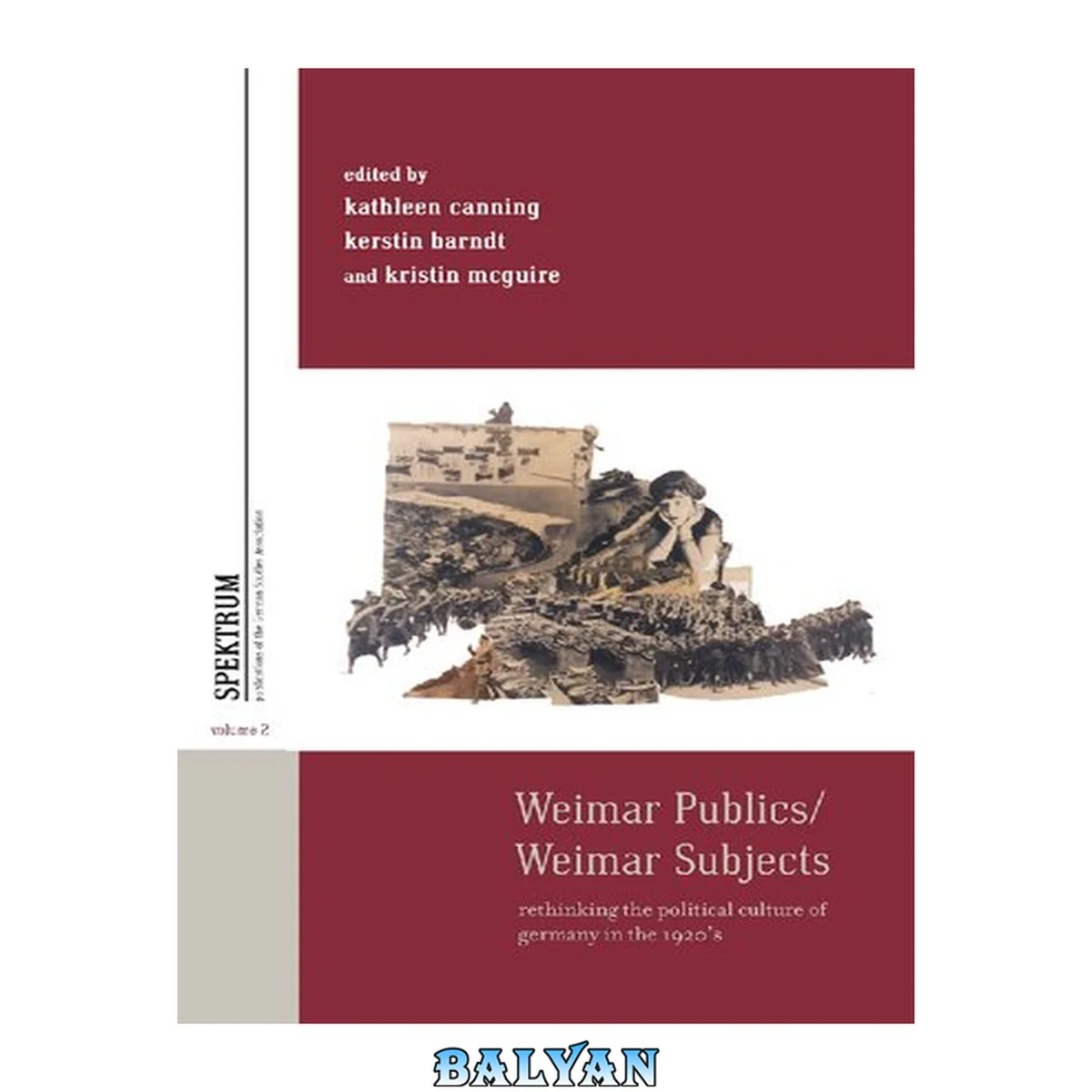
معرفی کتاب «Weimar Publics/Weimar Subjects: Rethinking the Political Culture of Germany in the 1920s (Spektrum: Publications of the German Studies Association, 2)» نوشتهٔ Kathleen Canning (editor), Kerstin Barndt (editor), Kristin McGuire (editor)، منتشرشده توسط نشر Berghahn Books در سال 2010. این کتاب در فرمت pdf، زبان انگلیسی ارائه شده است.
In spite of having been short-lived, "Weimar" has never lost its fascination. Until recently the Weimar Republic's place in German history was primarily defined by its catastrophic beginning and end - Germany's defeat in 1918 and the Nazi seizure of power in 1933; its history seen mainly in terms of politics and as an arena of flawed decisions and failed compromises. However, a flourishing of interdisciplinary scholarship on Weimar political culture is uncovering arenas of conflict and change that had not been studied closely before, such as gender, body politics, masculinity, citizenship, empire and borderlands, visual culture, popular culture and consumption. This collection offers new perspectives from leading scholars in the disciplines of history, art history, film studies, and German studies on the vibrant political culture of Germany in the 1920s. From the traumatic ruptures of defeat, revolution, and collapse of the Kaiser's state, the visionaries of Weimar went on to invent a republic, calling forth new citizens and cultural innovations that shaped the republic far beyond the realms of parliaments and political parties.Kathleen Canning is Arthur F. Thurnau Professor of History, Women's Studies, and German at the University of Michigan. She is the author of Languages of Labor and Gender: Female Factory Work in Germany, 1850-1914 (2nd ed., University of Michigan Press 2002) and Gender History in Practice: Historical Perspectives on Bodies, Class, and Citizenship (Cornell University Press 2006). She is currently a board member of Central European History and the Journal of Modern History. Kerstin Barndt is Associate Professor of German Studies at the University of Michigan. She is the author of Sentiment und Sachlichkeit. Der Roman der Neuen Frau in der Weimarer Republik (B hlau 2004) and several articles on German modernism, gender theory, and the history of reading. Her current book project Exhibition Time. History, Memory, and Aesthetics in Germany focuses on contemporary exhibition culture against the backdrop of national unifi cation, migration, and deindustrialization. Kristin McGuire is a Research Fellow at the Institute for Research on Women and Gender at the University of Michigan and co-Director of the Global Feminisms Project based at the University of Michigan. She is the co-author of Global Feminisms through a Virtual Archive (SIGNS 2010). She is currently working on a book manuscript, Activism, Intimacy and Selfhood which offers a comparative historical analysis of women activists in Germany and Poland from 1890-1918; and co-editing a volume of translated essays entitled Women on Nietzsche, Gender, and Sexuality: An Anthology of European Women's Writings, 1880-1920. Cover image: Marianne Brandt, Es wird marschiert (1928) In Spite Of Having Been Short-lived, 'weimar' Has Never Lost Its Fascination. Until Recently The Weimar Republic's Place In German History Was Primarily Defined By Its Catastrophic Beginning And End--germany's Defeat In 1918 And The Nazi Seizure Of Power In 1933; Its History Seen Mainly In Terms Of Politics And As An Arena Of Flawed Decisions And Failed Compromises. However, A Flourishing Of Interdisciplinary Scholarship On Weimar Political Culture Is Uncovering Arenas Of Conflict And Change That Had Not Been Studied Closely Before, Such As Gender, Body Politics, Masculinity, Citizenship, Empire And Borderlands, Visual Culture, Popular Culture And Consumption. This Collection Offers New Perspectives From Leading Scholars In The Disciplines Of History, Art History, Film Studies, And German Studies On The Vibrant Political Culture Of Germany In The 1920s. From The Traumatic Ruptures Of Defeat, Revolution, And Collapse Of The Kaiser's State, The Visionaries Of Weimar Went On To Invent A Republic, Calling Forth New Citizens And Cultural Innovations That Shaped The Republic Far Beyond The Realms Of Parliaments And Political Parties.--page 4 Of Cover. Part I. Defeat And The Legacy Of War. The Return Of The Undead : Weimar Cinema And The Great War / Anton Kaes -- The Work Of Art And The Problem Of Politics In Berlin Dada / Brigid Doherty -- The Secret History Of Photomontage : On The Origins Of The Composite Form And The Weimar Photomontages Of Marianne Brandt / Elizabeth Otto -- Part Ii. New Citizens/new Subjectivities. Mothers, Citizens, And Consumers : Female Readers In Weimar Germany / Kerstin Barndt -- Claiming Citizenship : Suffrage And Subjectivity In Germany After The First World War / Kathleen Canning -- Feminist Politics Beyond The Reichstag : Helene Stöcker And Visions Of Reform / Kristin Mcguire -- Producing Jews : Maternity, Eugenics, And The Embodiment Of The Jewish Subject / Sharon Gillerman -- Part Iii. Symbols, Rituals, And Discourses Of Democracy. Reforming The Reich : Democratic Symbols And Rituals In The Weimar Republic / Manuela Achilles -- High Expectations, Deep Disappointment : Structures Of The Public Perception Of Politics In The Weimar Republic / Thomas Mergel -- Contested Narratives Of The Weimar Republic : The Case Of The Kutisker-barmat Scandal / Martin H. Geyer -- Political Violence, Contested Public Space, And Reasserted Masculinity In Weimar Germany / Dirk Schumann -- Part Iv. Publics, Publicity, And Mass Culture. A Self-representation Of The Masses : Siegfried Kracauer's Curious Americanism / Miriam Hansen -- Neither Masses Nor Individuals : Representations Of The Collective In Interwar German Culture / Stefan Jonsson -- Cultural Capital In Decline : Inflation And The Distress Of Intellectuals / Bernd Widdig -- Part V. Weimar Topographies. Defining The Nation In Crisis : Citizenship Policy In The Early Weimar Republic / Annemarie Sammartino -- Gender And Colonial Politics After The Versailles Treaty / Lora Wildenthal -- The Economy Of Experience In Weimar Germany / Peter Fritzsche. Edited By Kathleen Canning, Kerstin Barndt & Kristin Mcguire. Includes Bibliographical References And Index. Contents List of Illustrations Preface List of Contributors Introduction: Weimar Subjects/Weimar Publics: Rethinking the Political Culture of Germany in the 1920s • Kathleen Canning Part I. Defeat and the Legacy of War 1. The Return of the Undead: Weimar Cinema and the Great War • Anton Kaes 2. The Work of Art and the Problem of Politics in Berlin Dada • Brigid Doherty 3. The Secret History of Photomontage: On the Origins of the Composite Form and the Weimar Photomontages of Marianne Brandt • Elizabeth Otto Part II. New Citizens/New Subjectivities 4. Mothers, Citizens, and Consumers: Female Readers in Weimar Germany • Kerstin Barndt 5. Claiming Citizenship: Suff rage and Subjectivity in Germany after the First World War • Kathleen Canning 6. Feminist Politics beyond the Reichstag: Helene Stöcker and Visions of Reform • Kristin McGuire 7. Producing Jews: Maternity, Eugenics, and the Embodiment of the Jewish Subject • Sharon Gillerman Part III. Symbols, Rituals, and Discourses of Democracy 8. Reforming the Reich: Democratic Symbols and Rituals in the Weimar Republic • Manuela Achilles 9. High Expectations—Deep Disappointment: Structures of the Public Perception of Politics in the Weimar Republic • Thomas Mergel 10. Contested Narratives of the Weimar Republic: The Case ofthe “Kutisker-Barmat Scandal” • Martin H. Geyer 11. Political Violence, Contested Public Space, and Reasserted Masculinity in Weimar Germany • Dirk Schumann Part IV. Publics, Publicity, and Mass Culture 12. “A Self-Representation of the Masses”: Siegfried Kracauer’s Curious Americanism • Miriam Hansen 13. Neither Masses nor Individuals: Representations of the Collective in Interwar German Culture • Stefan Jonsson 14. Cultural Capital in Decline: Inflation and the Distress of Intellectuals • Bernd Widdig Part V. Weimar Topographies 15. Defining the Nation in Crisis: Citizenship Policy in the Early Weimar Republic • Annemarie Sammartino 16. Gender and Colonial Politics after the Versailles Treaty • Lora Wildenthal 17. The Economy of Experience in Weimar Germany • Peter Fritzsche Bibliography Index Introduction / Kathleen Canning pt. 1. Defeat and the legacy of war The return of the undead : Weimar cinema and the Great War / Anton Kaes The work of art and the problem of politics in Berlin Dada / Brigid Doherty The secret history of photomontage : on the origins of the composite form and the Weimar photomontages of Marianne Brandt / Elizabeth Otto pt. 2. New citizens/new subjectivities Mother, citizens, and consumers : female readers in Weimar Germany / Kerstin Barndt Claiming citizenship : suffrage and subjectivity in Germany after the First World War / Kathleen Canning Feminist politics beyond the Reichstag : a radical vision of reform in the Weimar Republic / Kristin McGuire Producing Jews : maternity, eugenics, and the embodiment of the Jewish subject / Sharon Gillerman pt. 3. Symbols, rituals, and discourses of democracy Reforming the Reich : democratic symbols and rituals in the Weimar Republic / Manuela Achilles High expectations/deep disappointment : structures of the public perception of politics in the Weimar Republic / Thomas Mergel Contested narratives of the Weimar Republic : the case of the "Kutisker-Barmat scandal" / Martin Geyer Political violence, contested public space, and reasserted masculinity in Weimar Germany / Dirk Schumann pt. 4. Publics, publicity, and mass culture "A self-representation of the masses" : Siegfried Kracauer's curious Americanism / Miriam Hansen Neither masses nor individuals : representations of the collective in inter-war German culture / Stefan Jonsson Capital culture in decline : inflation and the distress of intellectuals / Bernd Widdig pt. 5. Weimar topographies Defining the nation in crisis : citizenship policy in the early Weimar Republic / Annemarie Sammartino Gender and colonial politics after the Versailles Treaty / Lora Wildenthal The economy of experience in Weimar Germany / Peter Fritzsche. In spite of having been short-lived, WeimarA" has never lost its fascination. Until recently the Weimar Republic's place in German history was primarily defined by its catastrophic beginning and end-Germany's defeat in 1918 and the Nazi seizure of power in 1933...
دانلود کتاب Weimar Publics/Weimar Subjects: Rethinking the Political Culture of Germany in the 1920s (Spektrum: Publications of the German Studies Association, 2)