We Come for Good : Archaeology and Tribal Historic Preservation at the Seminole Tribe of Florida
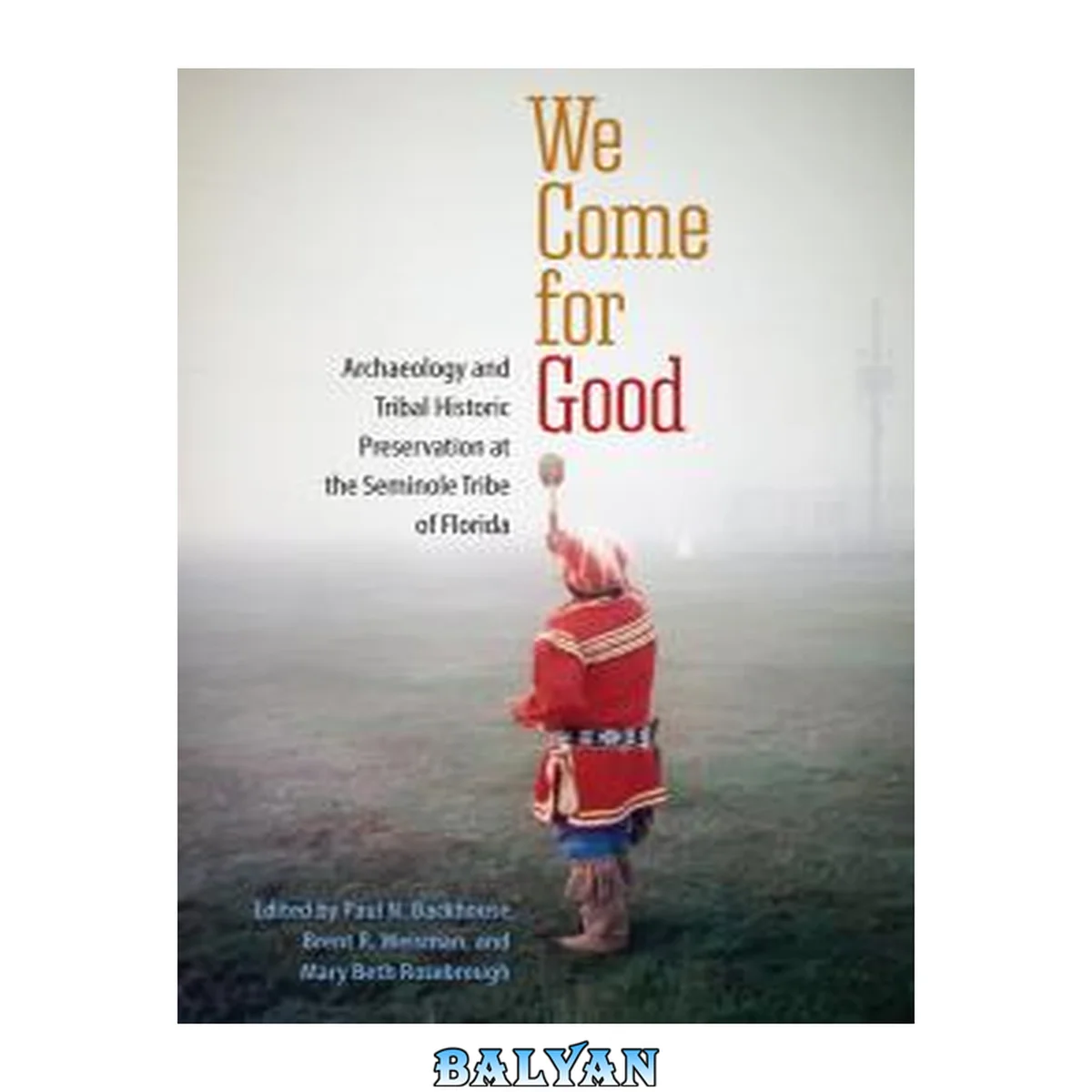
معرفی کتاب «We Come for Good : Archaeology and Tribal Historic Preservation at the Seminole Tribe of Florida» نوشتهٔ Paul N Backhouse; Brent Richards Weisman; Mary Beth Rosebrough، منتشرشده توسط نشر University Press of Florida در سال 2017. این کتاب در فرمت epub، زبان انگلیسی ارائه شده است.
"Offers a unique perspective on tribal approaches to managing historic preservation and addresses the multiplicity of issues common to all tribal historic preservation groups."—Joe Watkins, director, Tribal Relations and American Cultures Program, National Park Service "A concise, detailed account regarding the enormity of the task THPOs face in successfully navigating the two worlds of federal historic preservation laws and statutes and tribal cultural beliefs, knowledge, and traditions."—James Quinn, Tribal Historic Preservation Officer, Mohegan Tribe of Connecticut "An important book that highlights the complicated, confusing, and often contradictory world navigated by the intrepid personnel of the Seminole Tribe of Florida's Tribal Historic Preservation Office."—Ryan Wheeler, director, Robert S. Peabody Museum of Archaeology As indigenous populations are invited to participate in cultural heritage identification, research, interpretation, management, and preservation, they are faced with a variety of challenges, questions that are difficult to answer, and demands that must be carefully navigated. We Come for Good describes the development and operations of the Tribal Historic Preservation Office (THPO) of the Seminole Tribe of Florida as an example of how tribes can successfully manage and retain authority over the heritage of their respective cultures. With Native voices front and center, this book demonstrates ways THPOs can work within federal and tribal governments to build capacity and uphold tribal values—core principles of a strong tribal historic preservation program. The authors also offer readers one of the first attempts to document Native perspectives on the archaeology of native populations.|"Offers a unique perspective on tribal approaches to managing historic preservation and addresses the multiplicity of issues common to all tribal historic preservation groups."—Joe Watkins, director, Tribal Relations and American Cultures Program, National Park Service "A concise, detailed account regarding the enormity of the task THPOs face in successfully navigating the two worlds of federal historic preservation laws and statutes and tribal cultural beliefs, knowledge, and traditions."—James Quinn, Tribal Historic Preservation Officer, Mohegan Tribe of Connecticut "An important book that highlights the complicated, confusing, and often contradictory world navigated by the intrepid personnel of the Seminole Tribe of Florida's Tribal Historic Preservation Office."—Ryan Wheeler, director, Robert S. Peabody Museum of Archaeology As indigenous populations are invited to participate in cultural heritage identification, research, interpretation, management, and preservation, they are faced with a variety of challenges, questions that are difficult to answer, and demands that must be carefully navigated. We Come for Good describes the development and operations of the Tribal Historic Preservation Office (THPO) of the Seminole Tribe of Florida as an example of how tribes can successfully manage and retain authority over the heritage of their respective cultures. With Native voices front and center, this book demonstrates ways THPOs can work within federal and tribal governments to build capacity and uphold tribal values—core principles of a strong tribal historic preservation program. The authors also offer readers one of the first attempts to document Native perspectives on the archaeology of native populations. Cover -- We Come for Good -- Title -- Copyright -- CONTENTS -- List of Figures -- Preface -- Acknowledgments -- List of Abbreviations -- 1. "When Is Enough, Enough?": Willie Johns on Seminole History and the Tribal Historic Preservation Office, the Creek Perspective -- 2. "Bending and Not Breaking": Seminole History and the Tribal Historic Preservation Office, the Miccosukee Perspective -- 3. Building Capacity in a Tin Can: A Short History of the Seminole Tribe of Florida Tribal Historic Preservation Office -- 4. "We're Just Small Little Circles Inside One Big Huge Circle": Tribal Governance, Sovereignty, and the Tribal Historic Preservation Office -- 5. On-Reservation Projects and the Tribal Historic Preservation Office's Role within Tribal Government -- 6. Tribal Archaeology: Changing Perceptions of Archaeology within the Seminole Tribe of Florida -- 7. "It's Every Day and It's a Lifestyle": Seminole Culture and the Tribal Historic Preservation Office -- 8. Camp Life: Recording Historic Camps as Heritage -- 9. Everything You Know Is Wrong! Community Archaeology at Fort Shackelford -- 10. Tarakkvlkv (Land of Palms): Bridging the Gap between Archaeology and Tribal Perspectives -- 11. Archaeometry: Where GIS Meets the People -- 12. Let's Celebrate! The Red Barn as Community Heritage -- 13. Bringing the Ancestors Home -- 14. Consultation and Compliance: Then and Now -- 15. Preservation of Culture in Connection with the Largest Environmental Restoration Project Ever: Lessons Learned -- 16. The Significance of People and Preservation: Tribal Archaeology, Traditional Cultural Properties, and Section 106 of the National Historic Preservation Act -- 17. "What May Look Like Nothing to You, Is Everything to Someone Else": Growing up Seminole and the Future of Tribal Historic Preservation This volume offers guidance on how traditional scholars can and should integrate the work of Tribal Historic Preservation Offices (THPOs) into archaeological research by focusing on the work of the Seminole THPO 18. The Promise and Potential of Seminole Tribal Historic Preservation and Archaeology -- Appendix: Cultural Resource Ordinance -- Index
دانلود کتاب We Come for Good : Archaeology and Tribal Historic Preservation at the Seminole Tribe of Florida