Valley Interfaith and School Reform: Organizing for Power in South Texas (Joe R. and Teresa Lozano Long Series in Latin American and Latino Art and Culture)
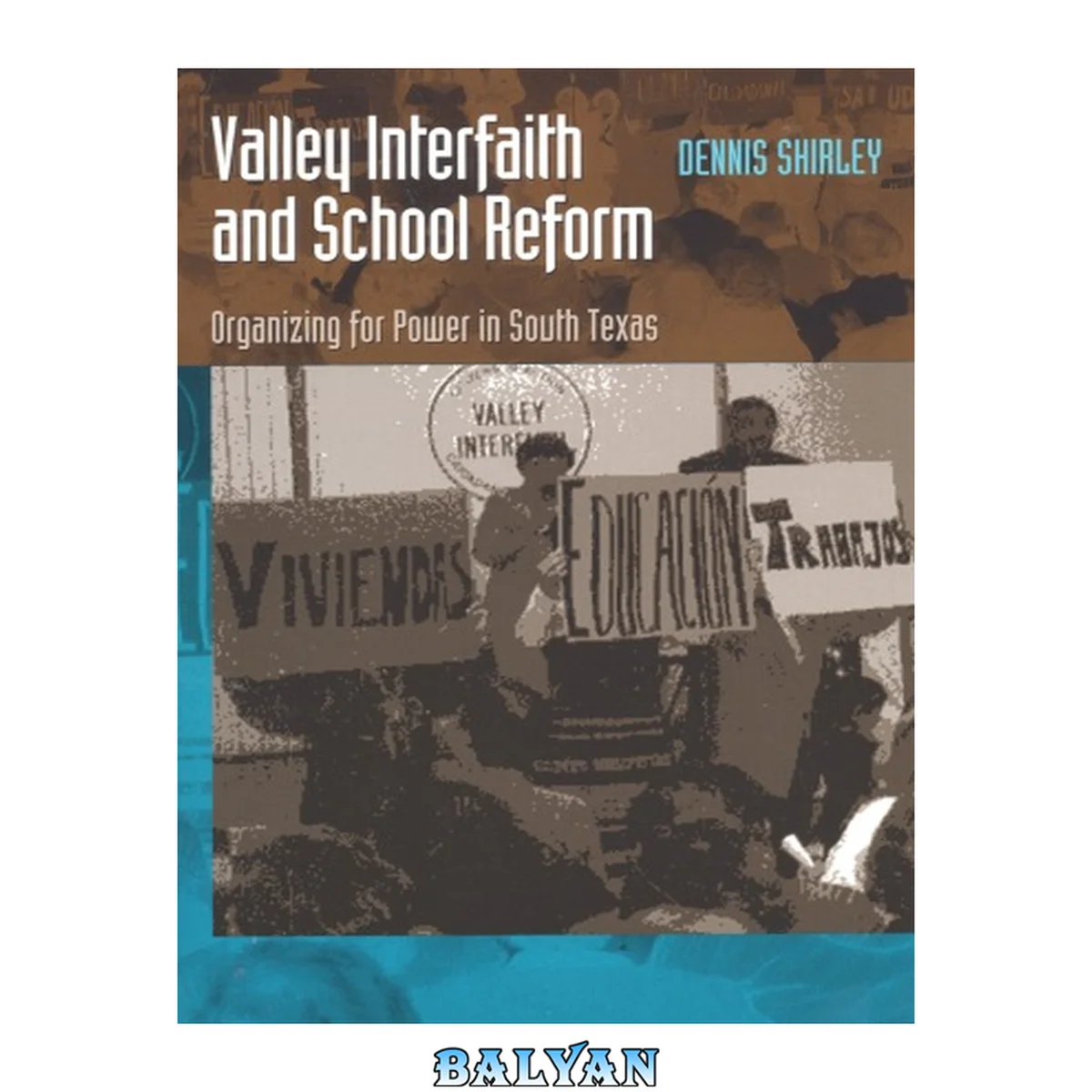
معرفی کتاب «Valley Interfaith and School Reform: Organizing for Power in South Texas (Joe R. and Teresa Lozano Long Series in Latin American and Latino Art and Culture)» نوشتهٔ Dennis Shirley، منتشرشده توسط نشر University of Texas Press. این کتاب در فرمت pdf، زبان انگلیسی ارائه شده است.
Publisher Fact Sheet This Book Focuses On The Case Studies Of Three Schools That Have Benefited From The Reform Efforts Of A Community Group Called Valley Interfaith, Which Works To Develop Community Leadership & Boost Academic Achievement. Can public schools still educate America's children, particularly in poor and working class communities? Many advocates of school reform have called for dismantling public education in favor of market-based models of reform such as privatization and vouchers. By contrast, this pathfinding book explores how community organizing and activism in support of public schools in one of America's most economically disadvantaged regions, the Rio Grande Valley of South Texas, has engendered impressive academic results. Dennis Shirley focuses the book around case studies of three schools that have benefited from the reform efforts of a community group called Valley Interfaith, which works to develop community leadership and boost academic achievement. He follows the remarkable efforts of teachers, parents, school administrators, clergy, and community activists to take charge of their schools and their communities and describes the effects of these efforts on students' school performance and testing results. Uniting gritty realism based on extensive field observations with inspiring vignettes of educators and parents creating genuine improvement in their schools and communities, this book demonstrates that public schools can be vital "laboratories of democracy," in which students and their parents learn the arts of civic engagement and the skills necessary for participating in our rapidly changing world. It persuasively argues that the American tradition of neighborhood schools can still serve as a bedrock of community engagement and academic achievement. This book examines the efforts of Valley Interfaith--a community-based organization in the south Texas borderlands--to improve the living conditions of low-income residents and immigrants and the public schools their children attend. Valley Interfaith is unusual in that it crosses the boundary separating the worlds of community organizing and school reform. It demonstrates how community organizing can catalyze the work of school reform, while transformations in a school can give a community a locus for civic engagement. Social capital theory provides the framework guiding this study. Valley Faith originated in the efforts of Catholic clergy and organizers from the Industrial Areas Foundation to create an organization addressing the lack of political power, inequities in school funding, and poor living conditions among south Texas residents. Case studies are presented of three schools that collaborated with Valley Interfaith and struggled to increase parental engagement, address community needs, and achieve high levels of academic success. The final chapter analyzes the success of these three schools in terms of scores on the Texas Assessment of Academic Skills (TAAS), other forms of social improvement, and the hidden costs of social capitalization. An appendix summarizes TAAS data for the three schools. (Contains 162 references, chapter notes, and an index.) (SV) Dennis Shirley. Includes Bibliographical References (p. [137]-146) And Index.
دانلود کتاب Valley Interfaith and School Reform: Organizing for Power in South Texas (Joe R. and Teresa Lozano Long Series in Latin American and Latino Art and Culture)