Unsafe haven : the United States, the IRA, and political prisoners
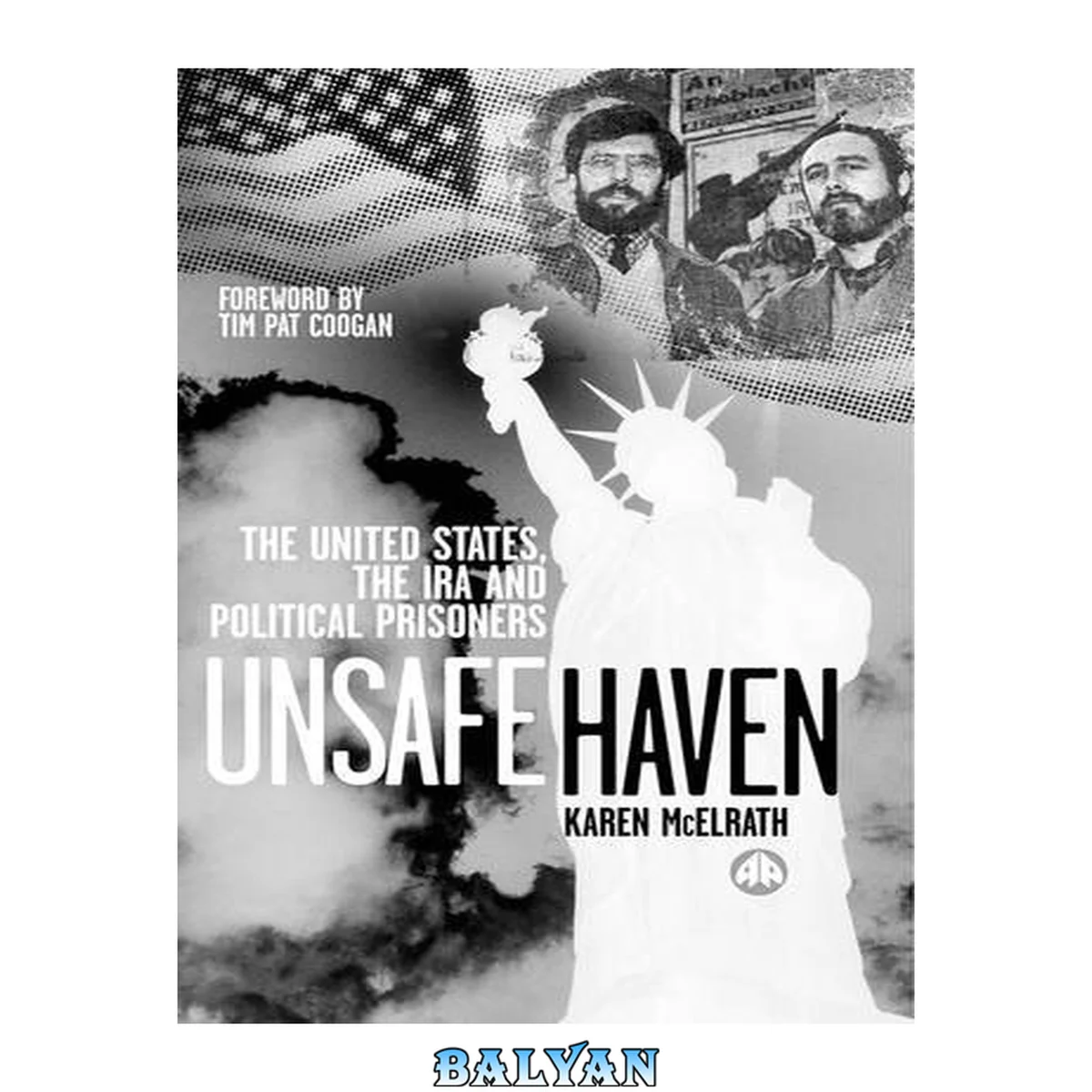
معرفی کتاب «Unsafe haven : the United States, the IRA, and political prisoners» نوشتهٔ Karen McElrath, Karen Mcelrath، منتشرشده توسط نشر London ; Pluto Press در سال 2000. این کتاب در فرمت pdf، زبان انگلیسی ارائه شده است.
Irish political prisoners have sought and found refuge in the United States since the 1800s. In 1986 however, US government policy changed, in part as a reward for Britain's support in the US attack on Libya. The "tools of exclusion" were subtly and not-so-subtly politicized, as ways were found to deport - or in other ways criminalize - potentially embarrassing Irish activists. In this controversial book, Karen McElrath examines the problematic history of Irish political prisoners in the US. Drawing on original research interviews with prisoners, their families and their supporters in the US, she looks at how the rule of law can change, for entirely political reasons, and considers the impact of those changes. She also examines the use of specific sanctions - deportation, extradition, prosecution - and shifting priorities in US immigration policies, which brought them into line with changing political (and diplomatic) allegiances. In this account of a complex and much-contested issue, McElrath examines the struggles over deportation and extradition within the context of Anglo-US relations. For almost two hundred years the United States has been a safe haven for Irish political prisoners seeking refuge. More recently however the US government has sought deportation, extradition and prosecution to exclude Irish republicans from the country. In the first book to focus on the relationship between these tools of exclusion and US foreign policy, Karen McElrath examines why this change has come about and the extent to which the granting of political asylum in the US is influenced by relations with Britain and other countries.
Karen McElrath questions US government attempts to portray an impartial role in the Irish conflict, arguing that historical and contemporary evidence reveals otherwise. She shows that, far from being a neutral process, the success of bids for political asylum often depends on the relationship between the US and the government of the applicant’s country of origin. Drawing on exclusive interviews with Irish Republicans who have faced deportation or extradition from the United States, or who have been prosecuted in the US for politically-motivated offences, McElrath explores the links between deportation and extradition outcomes and foreign policy issues. The tools of exclusion are defined in their historical context, and the history of US extradition law is described, with particular focus on the treaties with Britain. McElrath also examines the offences for which Irish and Irish-American Republicans have been charged, discusses the various levels of support for Irish political prisoners in the US, and summarises the findings by international human rights organisations. Irish political prisoners have sought and found refuge in the United States since the 1800s. In 1986, however, US government policy changed, in part as a reward for Britain's support in the US attack on Libya. The "tools of exclusion" were subtly and not so subtly politicized, as ways were found to deport or in other ways to criminalize potentially embarrassing Irish activists.
In this book, Karen McElrath examines the problematic history of Irish political prisoners in the United States. Drawing on original research interviews with prisoners, their families and their supporters in the US, she looks at the ways in which the rule of law can change, for entirely political reasons — and considers the impact of those changes. She looks too at the use of specific sanctions — deportation, extradition, and prosecution - and at shifting priorities in US immigration policies.
In this fascinating account of a complex and much-contested issue, McElrath examines the struggles over deportation and extradition within the context of Anglo-US relations — and sheds new light on the political nature of the rule of law. Annotation Irish political prisoners have sought and found refuge in the United States since the 1800s. In 1986, however, US government policy changed, in part as a reward for Britain's support in the US attack on Libya. The tools of exclusion were subtly and not so subtly politicized, as ways were found to deport or in other ways to criminalize potentially embarrassing Irish activists. In this book, Karen McElrath examines the problematic history of Irish political prisoners in the United States. Drawing on original research interviews with prisoners, their families and their supporters in the US, she looks at the ways in which the rule of law can change, for entirely political reasons" and considers the impact of those changes. She looks too at the use of specific sanctions" deportation, extradition, and prosecution - and at shifting priorities in US immigration policies. In this fascinating account of a complex and much-contested issue, McElrath examines the struggles over deportation and extradition within the context of Anglo-US relations" and sheds new light on the political nature of the rule of law Irish political prisoners have sought and found refuge in the United States since the 1800s. In 1986, however, US government policy changed, in part as a reward for Britain's support in the US attack on Libya. The "tools of exclusion" were subtly and not so subtly politicized, as ways were found to deport or in other ways to criminalize potentially embarrassing Irish activists.In this book, Karea McElrath examines the problematic history of Irish political prisoners in the United States. Drawing on original research interviews with prisoners, their families and their supporters in the US, she looks at the ways in which the rule of law can change, for entirely political reasons -- and considers the impact of those changes. She looks too at the use of specific sanctions -- deportation, extradition, and prosecution -- and at shifting priorities in US immigration policies.In this fascinating account of a complex and much-contested issue, McElrath examines the struggles over deportation and extradition within the context of Anglo-US relations -- and sheds new light on the political nature of the rule of law. 1. History -- 2. Deportation -- 3. Extradition -- 4. Prosecution -- 5. Media Caricatures -- 6. The Facade Of Neutrality -- 7. Conclusion. Karen Mcelrath. Includes Bibliographical References (p. 146-157) And Indexes.
دانلود کتاب Unsafe haven : the United States, the IRA, and political prisoners
Karen McElrath questions US government attempts to portray an impartial role in the Irish conflict, arguing that historical and contemporary evidence reveals otherwise. She shows that, far from being a neutral process, the success of bids for political asylum often depends on the relationship between the US and the government of the applicant’s country of origin. Drawing on exclusive interviews with Irish Republicans who have faced deportation or extradition from the United States, or who have been prosecuted in the US for politically-motivated offences, McElrath explores the links between deportation and extradition outcomes and foreign policy issues. The tools of exclusion are defined in their historical context, and the history of US extradition law is described, with particular focus on the treaties with Britain. McElrath also examines the offences for which Irish and Irish-American Republicans have been charged, discusses the various levels of support for Irish political prisoners in the US, and summarises the findings by international human rights organisations. Irish political prisoners have sought and found refuge in the United States since the 1800s. In 1986, however, US government policy changed, in part as a reward for Britain's support in the US attack on Libya. The "tools of exclusion" were subtly and not so subtly politicized, as ways were found to deport or in other ways to criminalize potentially embarrassing Irish activists.
In this book, Karen McElrath examines the problematic history of Irish political prisoners in the United States. Drawing on original research interviews with prisoners, their families and their supporters in the US, she looks at the ways in which the rule of law can change, for entirely political reasons — and considers the impact of those changes. She looks too at the use of specific sanctions — deportation, extradition, and prosecution - and at shifting priorities in US immigration policies.
In this fascinating account of a complex and much-contested issue, McElrath examines the struggles over deportation and extradition within the context of Anglo-US relations — and sheds new light on the political nature of the rule of law. Annotation Irish political prisoners have sought and found refuge in the United States since the 1800s. In 1986, however, US government policy changed, in part as a reward for Britain's support in the US attack on Libya. The tools of exclusion were subtly and not so subtly politicized, as ways were found to deport or in other ways to criminalize potentially embarrassing Irish activists. In this book, Karen McElrath examines the problematic history of Irish political prisoners in the United States. Drawing on original research interviews with prisoners, their families and their supporters in the US, she looks at the ways in which the rule of law can change, for entirely political reasons" and considers the impact of those changes. She looks too at the use of specific sanctions" deportation, extradition, and prosecution - and at shifting priorities in US immigration policies. In this fascinating account of a complex and much-contested issue, McElrath examines the struggles over deportation and extradition within the context of Anglo-US relations" and sheds new light on the political nature of the rule of law Irish political prisoners have sought and found refuge in the United States since the 1800s. In 1986, however, US government policy changed, in part as a reward for Britain's support in the US attack on Libya. The "tools of exclusion" were subtly and not so subtly politicized, as ways were found to deport or in other ways to criminalize potentially embarrassing Irish activists.In this book, Karea McElrath examines the problematic history of Irish political prisoners in the United States. Drawing on original research interviews with prisoners, their families and their supporters in the US, she looks at the ways in which the rule of law can change, for entirely political reasons -- and considers the impact of those changes. She looks too at the use of specific sanctions -- deportation, extradition, and prosecution -- and at shifting priorities in US immigration policies.In this fascinating account of a complex and much-contested issue, McElrath examines the struggles over deportation and extradition within the context of Anglo-US relations -- and sheds new light on the political nature of the rule of law. 1. History -- 2. Deportation -- 3. Extradition -- 4. Prosecution -- 5. Media Caricatures -- 6. The Facade Of Neutrality -- 7. Conclusion. Karen Mcelrath. Includes Bibliographical References (p. 146-157) And Indexes.