یونسکو، میراث فرهنگی و ارزش جهانی برجسته: تحلیلهای مبتنی بر ارزش کنوانسیونهای میراث جهانی و میراث فرهنگی ناملموس (باستانشناسی در جامعه)
UNESCO, Cultural Heritage, and Outstanding Universal Value: Value-based Analyses of the World Heritage and Intangible Cultural Heritage Conventions (Archaeology in Society)
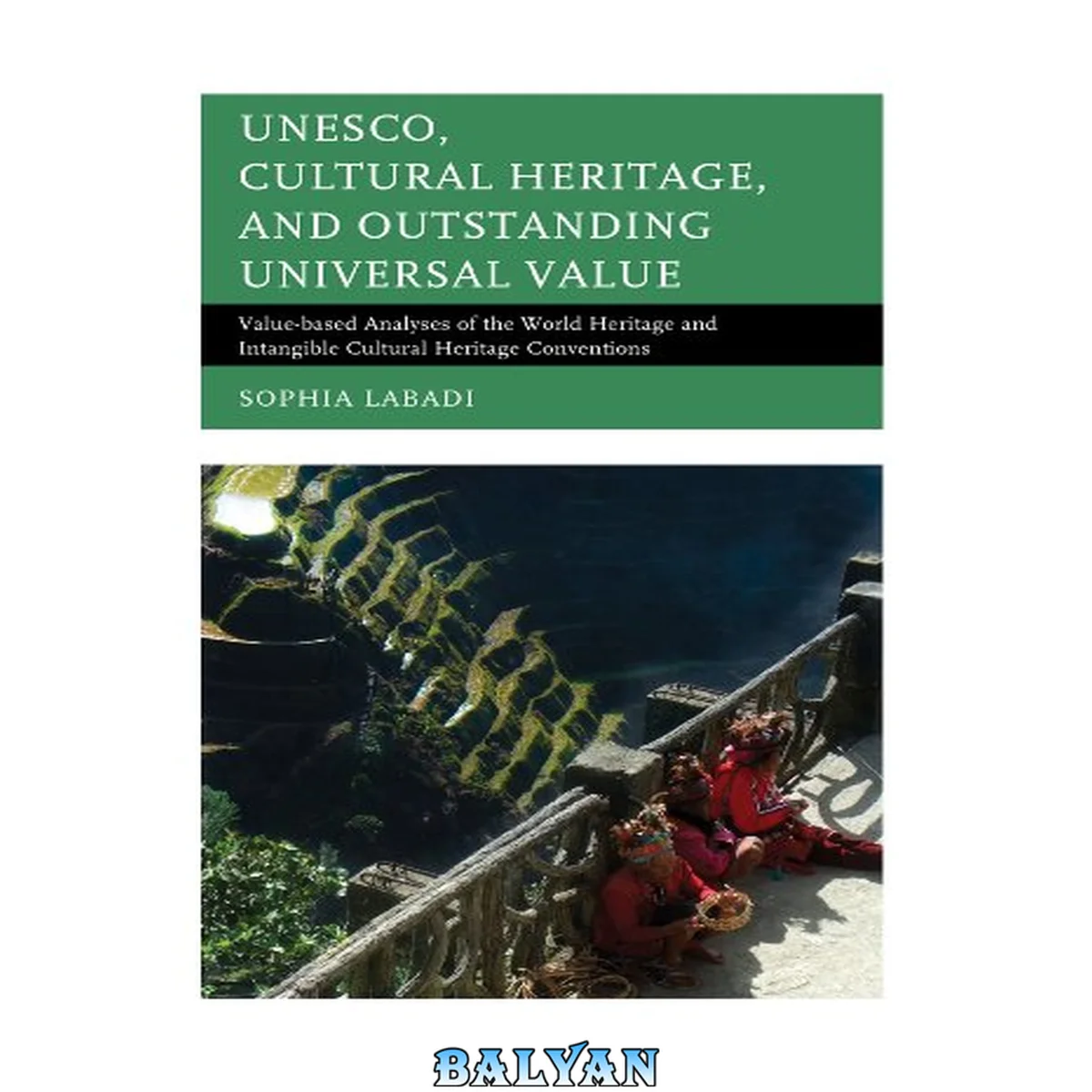
معرفی کتاب «یونسکو، میراث فرهنگی و ارزش جهانی برجسته: تحلیلهای مبتنی بر ارزش کنوانسیونهای میراث جهانی و میراث فرهنگی ناملموس (باستانشناسی در جامعه)» (با عنوان لاتین UNESCO, Cultural Heritage, and Outstanding Universal Value: Value-based Analyses of the World Heritage and Intangible Cultural Heritage Conventions (Archaeology in Society)) نوشتهٔ Neumeier، Marty و Sophia Labadi، منتشرشده توسط نشر AltaMira Press در سال 2012. این کتاب در 2 صفحه، فرمت pdf، زبان انگلیسی ارائه شده است.
This book explores the international legal framework developed by UNESCO to identify and protect world heritage and its implementation at the national level. Drawing on close policy analysis of UNESCO’s major documents, extensive professional experience at UNESCO, as well as in-depth analyses of case studies from Asia, Europe, and Latin America, Sophia Labadi offers a nuanced discussion of the constitutive role of national understandings of a universalist framework. The discussion departs from considerations of the World Heritage Convention as Eurocentric and offers a more complex analysis of how official narratives relating to non-European and non-traditional heritage mark a subversion of a dominant and canonical European representation of heritage. It engages simultaneously with a diversity of discourses across the humanities and social sciences and with related theories pertaining not only to tangible and intangible heritage, conservation, and archaeology but also political science, social theory, tourism and development studies, economics, cultural, and gender studies. In doing so, it provides a critical review of many key concepts, including tourism, development, sustainability, intangible heritage, and authenticity. "Explores the international legal framework developed by UNESCO to identify and protect world heritage, as well as its implementation at the national level. Drawing on close policy analysis of UNESCO's major documents and extensive professional experience at UNESCO, as well as in-depth analyses of case studies from Asia, Europe, and Latin America, Sophia Labadi offers a nuanced discussion of the constitutive role of national understandings of a universalist framework. The discussion departs from considerations of the World Heritage Convention as Eurocentric and offers a more complex analysis of how official narratives relating to non-European and non-traditional heritage mark a subversion of the dominant and canonical European representation of heritage. This book engages simultaneously with a diversity of discourses across the humanities and social sciences and with related theories pertaining not only to tangible and intangible heritage, conservation, and archaeology but also to political science, social theory, tourism and development studies, economics, and cultural and gender studies"--Unedited summary from book cover This book provides groundbreaking analyses of the interlinking of world heritage with the increasingly complex processes of (post)nationalism, the preservation and representation of cultural diversity, tourism, and sustainable development and the conservation of authenticity.
دانلود کتاب یونسکو، میراث فرهنگی و ارزش جهانی برجسته: تحلیلهای مبتنی بر ارزش کنوانسیونهای میراث جهانی و میراث فرهنگی ناملموس (باستانشناسی در جامعه)