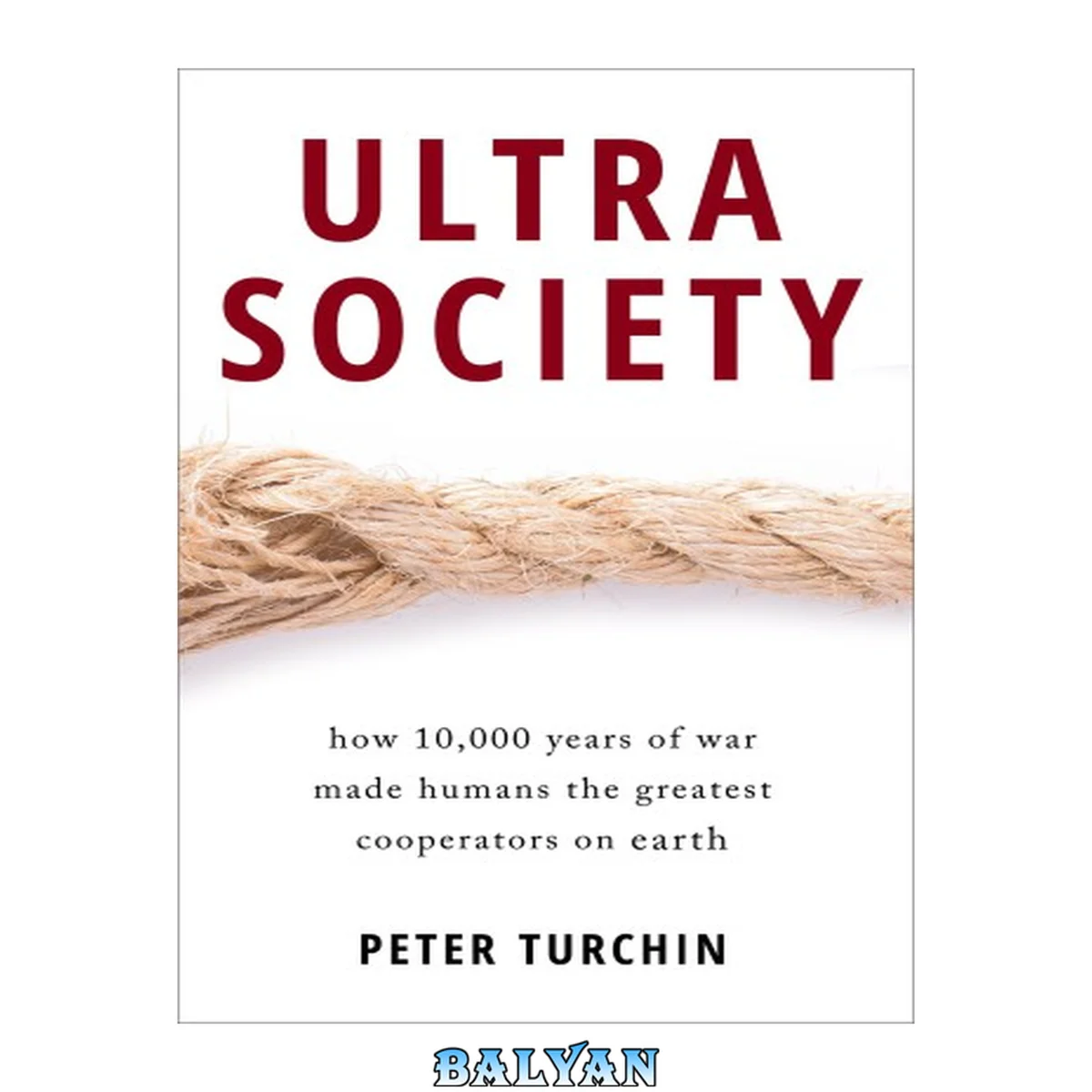
Ultrasociety: How 10,000 Years of War Made Humans the Greatest Cooperators on Earth
معرفی کتاب «Ultrasociety: How 10,000 Years of War Made Humans the Greatest Cooperators on Earth» نوشتهٔ Peter Turchin، منتشرشده توسط نشر Beresta Books در سال 2015. این کتاب در فرمت epub، زبان انگلیسی ارائه شده است.
کتاب «اولتراسوسایتی» (Ultrasociety: How,000 Years of War Made Humans the Greatest Cooperators on Earth) نوشتهٔ پیتر تورچین، دانشمند تکاملگرا، پاسخی قانعکننده به یکی از بزرگترین پرسشهای بشری است: چگونه گونهای که نیاکانش در گروههای کوچک و برابرگرا زندگی میکردند، توانست به همکاری در مقیاسی عظیم دست یابد و جوامعی با صدها میلیون عضو خلق کند؟ تورچین با تکیه بر شواهدی از علم نوین «فرگشت فرهنگی» (Cultural Evolution) و «پویاییشناسی تمدنها» (Cliodynamics)، نظریهای جسورانه ارائه میدهد: توانایی خارقالعادهٔ انسان در همکاری، در بوتهٔ جنگ و درگیریهای میانجوامعی شکل گرفته و بهعنوان نیروی محرکهٔ تاریخ بشر عمل کرده است.
دربارهٔ کتاب — سفری حماسی در تاریخ همکاری بشر
تورچین در این کتاب، خواننده را از محوطهٔ باستانی «گوبکلیتپه» در ترکیه، با قدمتی دوازدههزار ساله، تا ایستگاه فضایی بینالمللی به عنوان نماد همکاری جهانی، همراه میکند. او با زبانی شیوا و گیرا، که به دور از فرمولهای ریاضی آثار قبلیاش نوشته شده، استدلال میکند که «جنگ» به عنوان نیرویی «خلقکننده و ویرانگر»، محرک اصلی تکامل جوامع بزرگ و همکار بوده است. به باور او، برای درک همکاری گستردهٔ انسانی، باید به نقش انتخاب گروهی و رقابت میان جوامع توجه کرد؛ جوامعی که در همکاری داخلی موفقتر بودند، در منازعات بیرونی پیروز شده و فرهنگ خود را گسترش میدادند. کتاب با روایت داستانی پرکشش از ظهور و سقوط پادشاهان خونریز تا امپراتورانِ صلحجویِ هند، الگوهای تاریخی شگفتانگیزی را آشکار میسازد. او نشان میدهد که چگونه جنگ، ابتدا به ظهور «خدایان-شاهان» مستبد انجامید، اما در عین حال، زمینهساز تحولی عظیم در «عصر محوری» (Axial Age) شد؛ دورهای که ادیان اخلاقگرا و جهانشمول، با ترویج عدالت اجتماعی، به مهار قدرتِ مطلق حاکمان پرداختند و مسیری تازه به سوی برابری گشودند. این کتاب در واقع پاسخی است به آثار تأثیرگذاری همچون «فرشتگان بهتر طبیعت ما» اثر استیون پینکر و تلاشی برای ارائهٔ تصویری علمی و متوازن از تاریخ خشونت و همکاری بشری است.
دربارهٔ نویسنده
پیتر تورچین (Peter Turchin) دانشمند علم پیچیدگی و زیستشناس تکاملی است که در دانشگاه کانتیکت تدریس میکند. او بنیانگذار حوزهٔ میانرشتهای «کلیوداینامیکس» یا «پویاییشناسی تاریخی» به شمار میرود که در آن، از روشهای ریاضی و آماری برای مطالعهٔ جوامع تاریخی استفاده میشود. تورچین که در سال ۲۰۰۴ به عنوان پژوهشگر پراستناد جهان معرفی شده، بیش از دویست مقاله در مجلات معتبری چون «نیچر»، «ساینس» و «پیانایاس» منتشر کرده و مدیر پروژهٔ عظیم پایگاه دادهٔ تاریخی «سشات» (Seshat) است که دادههای جوامع پیچیدهٔ انسانی را گردآوری میکند. از دیگر آثار او میتوان به کتاب «زمانهای پایان: نخبگان، ضد نخبگان و مسیر فروپاشی سیاسی» اشاره کرد.
چرا باید «اولتراسوسایتی» را بخوانید؟
مطالعهٔ این کتاب، دریچهای نو بر درک ما از ریشههای تمدن و ماهیت انسان میگشاید.
درک نقش جنگ در شکلگیری تمدن: کتاب با اتکا به شواهد علمی، نشان میدهد که چگونه جنگ، هرچند ویرانگر، به عنوان موتور محرکهٔ همکاری و خلق جوامع پیچیده عمل کرده است.
آشنایی با علم نوین فرگشت فرهنگی: این کتاب، بهزبان ساده، مفاهیم کلیدی «فرگشت فرهنگی» و «انتخاب چندسطحی» را توضیح میدهد که برای درک تحولات تاریخی و اجتماعی امروز، ضروری است.
مرور حماسی و پرکشش تاریخ بشر: تورچین با روایتی داستانی و مثالهای تاریخی ملموس، سفری گیرا از دوران پارینهسنگی تا عصر فضا را به تصویر میکشد.
دریافت پاسخی به پرسشهای بنیادین همکاری: این کتاب به پرسشهایی اساسی مانند «چرا انسانها با غریبهها همکاری میکنند؟» و «چرا جوامع بزرگ و مسالمتآمیز شکل میگیرند؟» پاسخی مبتنی بر شواهد تاریخی و زیستی میدهد.
بهچالش کشیدن نگاههای سادهانگارانه به تاریخ: تورچین با ارائهٔ الگوی «زیگزاگی» تکامل (نوسان میان برابری و نابرابری)، تصویری واقعگرایانهتر و پویاتر از تاریخ را جایگزین روایتهای صرفاً صعودی یا افولگرایانه میکند.
این کتاب برای چه کسانی مناسب است؟
کتاب «اولتراسوسایتی» برای طیف گستردهای از خوانندگان جذاب خواهد بود؛ از دانشجویان و پژوهشگران حوزههای علوم اجتماعی، تاریخ، انسانشناسی و زیستشناسی تکاملی گرفته تا علاقهمندان به کتابهای علمی-تاریخی عامهپسند. همچنین، این اثر برای هر کسی که به دنبال درکی عمیقتر از ریشههای همکاری، منازعه و تحولات بزرگ انسانی است، منبعی ارزشمند و روشنگر به شمار میرود. لحن روان و روایت جذاب کتاب، آن را برای مخاطب غیرمتخصص نیز قابلدسترس کرده است.
سوالات متداول
آیا این کتاب صرفاً به تأیید نقش جنگ در تاریخ میپردازد؟
خیر، کتاب ضمن پذیرش نقش تعیینکنندهٔ جنگ به عنوان موتور همکاری، به تأثیر متقابل آن با سایر عوامل مانند مذهب، اقتصاد و ایدههای عدالتخواهانه نیز میپردازد. تورچین به وضوح نشان میدهد که چگونه ادیان اخلاقگرای «عصر محوری» توانستند مسیر تاریخ را به سوی کاهش نابرابری و مهار استبداد تغییر دهند.
تفاوت دیدگاه تورچین با کتابهای مشهور استیون پینکر چیست؟
در حالی که پینکر در کتاب «فرشتگان بهتر طبیعت ما» بر کاهش تدریجی خشونت در درون جوامع تأکید دارد، تورچین بر الگوی «زیگزاگی» خشونت تأکید میکند که با فراز و فرود نابرابری اقتصادی همبستگی دارد. به علاوه، تورچین بر نقش «انتخاب گروهی» و رقابت میان جوامع، به جای ویژگیهای فردی، در تبیین همکاری اصرار دارد.
آیا کتاب به این نتیجه میرسد که جنگ سرنوشت محتوم بشر است؟
تورچین با وجود تأکید بر نقش جنگ در گذشته، خوشبینانه به آینده مینگرد و استدلال میکند که در نهایت، همین نیروی همکاریآفرینِ حاصل از جنگ، ممکن است روزی آن را بهعنوان یک ابزار منسوخ، از صحنهٔ تاریخ حذف کند و زمینه را برای جهانی صلحآمیز فراهم آورد.
Follow Peter Turchin on an epic journey through time. From stone-age assassins to the orbiting cathedrals of the space age, from bloodthirsty god-kings to Indias first vegetarian emperor, discover the secret history of our speciesand the evolutionary logic that governed it all. \*\* Review"In __Ultrasociety__, we see a brilliantly original scientist at thetop of his game. Turchin's delightfully readable book defends a boldthesis--that the institutions that have made today's extraordinary degree of human cooperation possible were forged by ten millennia ofinter-societal military conflict. No future accounts of society'sorigins will dare to ignore his carefully crafted arguments in supportof this claim."**--Robert H. Frank, Cornell University, author of __The Darwin Economy__.**__"Ultrasociety__ is a winner. It gives us an incisive look at Cultural Evolution and the implications for group selection. Turchin argues clearly and well for a deeper understanding of how culture trumps other social forces, andthus he can explain our era far better."** --Gregory Benford, author of \*Timescape.**\* "Peter Turchin will go down in history as a great scientific historian. In __Ultrasociety__ he makes the thesis of Edward O. Wilson's __The Social Conquest of Earth__ come alive with empirical detail." \*\*--**__\*David Sloan Wilson, author of__ Does Altruism Exist? Culture, Genes, and the Welfare of Others\*.** "An exciting account of how the growing theory of cultural evolution can be applied to understanding patterns in the sweep of human history and prehistory" \*\*--**__\*Peter J. Richerson, coauthor of__ Culture and Coevolutionary Process\*.** "Peter Turchin's __Ultrasociety__delivers multi-level satisfaction, as deep-down enjoyable as seeing justice served on a bully. The book is a riveting safari through the origins of human social behavior and a revolutionary new way of reframing the study of culture as a scientific discipline. Turchin and his colleagues are on the cusp of changing the humanities forever, and none too soon. __Ultrasociety__ is a must-read for any member of an intellectually curious species." \*\*--**__\*Baba Brinkman, author of__ The Rap Guide to Evolution\*.** From the Back Cover**Cooperation is powerful.** There aren't many highly cooperative species--but they nearly cover the planet. Ants alone account for a quarter of all animal matter. Yet the human capacity to work together leaves every other species standing. We organize ourselves into communities of hundreds of millions of individuals, inhabit every continent, and send people into space. Human beings are nature's greatest team players. And the truly astounding thing is, we only started our steep climb to the top of the rankings--overtaking wasps, bees, termites and ants--in the last 10,000 years. Genetic evolution can't explain this anomaly. Something else is going on. How did we become the ultrasocial animal? In his latest book, the evolutionary scientist Peter Turchin (__War and Peace and War__) solves the puzzle using some astonishing results in the new science of Cultural Evolution. The story of humanity, from the first scattered bands of __Homo sapiens__ right through to the greatest empires in history, turns out to be driven by a remorseless logic. Our apparently miraculous powers of cooperation were forged in the fires of war. Only conflict, escalating in scale and severity, can explain the extraordinary shifts in human society--and society is the greatest military technology of all. Seen through the eyes of Cultural Evolution, human history reveals a strange, paradoxical pattern. Early humans were much more egalitarian than other primates, ruthlessly eliminating any upstart who wanted to become alpha male. But if human nature favors equality, how did the blood-soaked god kings of antiquity ever manage to claim their thrones? And how, over the course of thousands of years, did they vanish from the earth, swept away by a reborn spirit of human equality? Why is the story of human justice a chronicle of millennia-long reversals? Once again, the science points to just one explanation: war created the terrible majesty of kingship, and war obliterated it. Is endless war, then, our fate? Or might society one day evolve beyond it? There's only one way to answer that question. Follow Turchin on an epic journey through time, and discover something that generations of historians thought impossible: the hidden laws of history itself. Follow Peter Turchin on an epic journey through time. From stone-age assassins to the orbiting cathedrals of the space age, from bloodthirsty god-kings to India’s first vegetarian emperor, discover the secret history of our species—and the evolutionary logic that governed it all. ** Review "In Ultrasociety , we see a brilliantly original scientist at thetop of his game. Turchin's delightfully readable book defends a boldthesis--that the institutions that have made today's extraordinary degree of human cooperation possible were forged by ten millennia ofinter-societal military conflict. No future accounts of society'sorigins will dare to ignore his carefully crafted arguments in supportof this claim." --Robert H. Frank, Cornell University, author of The Darwin Economy . "Ultrasociety is a winner. It gives us an incisive look at Cultural Evolution and the implications for group selection. Turchin argues clearly and well for a deeper understanding of how culture trumps other social forces, andthus he can explain our era far better." --Gregory Benford, author of *Timescape. * "Peter Turchin will go down in history as a great scientific historian. In Ultrasociety he makes the thesis of Edward O. Wilson's The Social Conquest of Earth come alive with empirical detail." **-- *David Sloan Wilson, author of Does Altruism Exist? Culture, Genes, and the Welfare of Others*. "An exciting account of how the growing theory of cultural evolution can be applied to understanding patterns in the sweep of human history and prehistory" **-- *Peter J. Richerson, coauthor of Culture and Coevolutionary Process*. "Peter Turchin's Ultrasociety delivers multi-level satisfaction, as deep-down enjoyable as seeing justice served on a bully. The book is a riveting safari through the origins of human social behavior and a revolutionary new way of reframing the study of culture as a scientific discipline. Turchin and his colleagues are on the cusp of changing the humanities forever, and none too soon. Ultrasociety is a must-read for any member of an intellectually curious species." **-- *Baba Brinkman, author of The Rap Guide to Evolution*. From the Back Cover Cooperation is powerful. There aren't many highly cooperative species--but they nearly cover the planet. Ants alone account for a quarter of all animal matter. Yet the human capacity to work together leaves every other species standing. We organize ourselves into communities of hundreds of millions of individuals, inhabit every continent, and send people into space. Human beings are nature's greatest team players. And the truly astounding thing is, we only started our steep climb to the top of the rankings--overtaking wasps, bees, termites and ants--in the last 10,000 years. Genetic evolution can't explain this anomaly. Something else is going on. How did we become the ultrasocial animal? In his latest book, the evolutionary scientist Peter Turchin ( War and Peace and War ) solves the puzzle using some astonishing results in the new science of Cultural Evolution. The story of humanity, from the first scattered bands of Homo sapiens right through to the greatest empires in history, turns out to be driven by a remorseless logic. Our apparently miraculous powers of cooperation were forged in the fires of war. Only conflict, escalating in scale and severity, can explain the extraordinary shifts in human society--and society is the greatest military technology of all. Seen through the eyes of Cultural Evolution, human history reveals a strange, paradoxical pattern. Early humans were much more egalitarian than other primates, ruthlessly eliminating any upstart who wanted to become alpha male. But if human nature favors equality, how did the blood-soaked god kings of antiquity ever manage to claim their thrones? And how, over the course of thousands of years, did they vanish from the earth, swept away by a reborn spirit of human equality? Why is the story of human justice a chronicle of millennia-long reversals? Once again, the science points to just one explanation: war created the terrible majesty of kingship, and war obliterated it. Is endless war, then, our fate? Or might society one day evolve beyond it? There's only one way to answer that question. Follow Turchin on an epic journey through time, and discover something that generations of historians thought impossible: the hidden laws of history itself. Business & Money,Economics,Economic Conditions,History,World,Civilization & Culture,Politics & Social Sciences,Politics & Government,Specific Topics,Political Economy