Twice as hard : the stories of Black women who fought to become physicians, from the Civil War to the twenty-first century
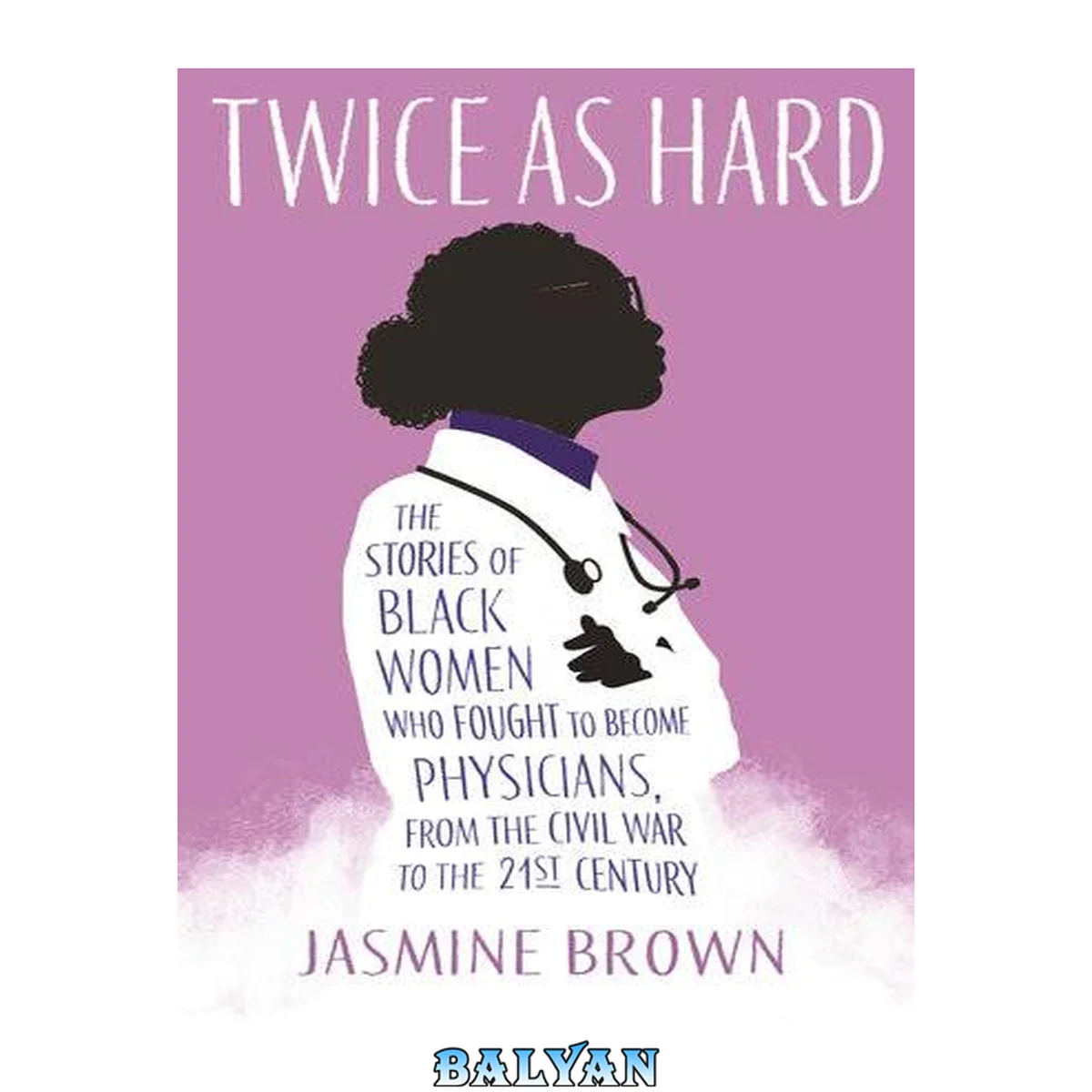
معرفی کتاب «Twice as hard : the stories of Black women who fought to become physicians, from the Civil War to the twenty-first century» نوشتهٔ Jasmine Brown، منتشرشده توسط نشر Beacon Press در سال 2023. این کتاب در فرمت epub، زبان انگلیسی ارائه شده است.
Black women physicians’ stories have gone untold for far too long, leaving gaping holes in American medical history, in women’s history, and in black history. It’s time to set the record straight. No real account of black women physicians in the US exists, and what little mention is made of these women in existing histories is often insubstantial or altogether incorrect. In this work of extensive research, Jasmine Brown offers a rich new perspective, penning the long-erased stories of nine pioneering black women physicians beginning in 1860, when a black woman first entered medical school. Brown champions these black women physicians, including the stories of: · Dr. Rebecca Lee Crumpler , who graduated from medical school only fourteen months after the Emancipation Proclamation was signed and provided medical care for the newly freed slaves who had been neglected and exploited by the medical system. · Dr. Edith Irby Jones , the first African American to attend a previously white-only medical school in the Jim Crow South, where she was not allowed to eat lunch with her classmates or use the women’s bathroom. Still, Dr. Irby Jones persisted and graduated from medical school, going on to directly inspire other black women to pursue medicine such as . . . · Dr. Joycelyn Elders , who, after meeting Dr. Irby Jones, changed her career ambitions from becoming a Dillard’s salesclerk to becoming a doctor. In 1993, President Bill Clinton appointed Dr. Elders as the US surgeon general, making her the first African American and second woman to hold this position. Brown tells the stories of these doctors from the perspective of a black woman in medicine. Her journey as a medical student already has parallels to those of black women who entered medicine generations before her. What she uncovers about these women’s struggles, their need to work twice as hard and be twice as good, and their ultimate success serves as instruction and inspiration for new generations considering a career in medicine or science. "No complete history of black women physicians in the US exists, and what little mention is made of these women in existing histories is often insubstantial or altogether incorrect. In this work of extensive research, Jasmine Brown offers a champions a new history, penning the long-erased stories of nine pioneering black women physicians beginning in 1860, when a black woman first entered medical school. The legacy of black women physicians, began with Dr. Rebecca Lee Crumpler, who graduated from medical school only fourteen months after the Emancipation Proclamation was signed, moved to Richmond, Virginia, and provided medical care for the newly freed slaves who had been neglected and exploited by the medical system. Brown tells the stories of women such as Dr. Edith Irby Jones, the first African American to attend a previously white-only medical school in the Jim Crow South, where she was not allowed to eat lunch with her classmates or use the women's bathroom. Still, Dr. Irby Jones persisted and graduated from medical school, going on to directly inspire other, like Dr. Joycelyn Elders, who, after meeting Dr. Irby Jones, changed her career ambitions from becoming a Dillard's salesclerk to becoming a doctor. In 1993, President Bill Clinton appointed Dr. Elders as the US surgeon general, making her the first African American and second woman to hold this position. Brown tells the stories of these doctors from the perspective of a black woman in medicine. Her journey as a medical student already has parallels to those of black women who entered medicine generations before her. What she uncovers about these women's struggles, their need to work twice as hard and be twice as good, and their ultimate success serves as instruction and inspiration for new generations considering a career in medicine or science"-- Provided by publisher "No real account of black women physicians in the US exists, and what little mention is made of these women in existing histories is often insubstantial or altogether incorrect. In this work of extensive research, Jasmine Brown offers a rich new perspective, penning the long-erased stories of nine pioneering black women physicians beginning in 1860, when a black woman first entered medical school. Brown champions these black women physicians, including the stories of: � Dr. Rebecca Lee Crumpler, who graduated from medical school only fourteen months after the Emancipation Proclamation was signed and provided medical care for the newly freed slaves who had been neglected and exploited by the medical system. � Dr. Edith Irby Jones, the first African American to attend a previously white-only medical school in the Jim Crow South, where she was not allowed to eat lunch with her classmates or use the women's bathroom. Still, Dr. Irby Jones persisted and graduated from medical school, going on to directly inspire other black women to pursue medicine such as . . . � Dr. Joycelyn Elders, who, after meeting Dr. Irby Jones, changed her career ambitions from becoming a Dillard's salesclerk to becoming a doctor. In 1993, President Bill Clinton appointed Dr. Elders as the US surgeon general, making her the first African American and second woman to hold this position. Brown tells the stories of these doctors from the perspective of a black woman in medicine. Her journey as a medical student already has parallels to those of black women who entered medicine generations before her. What she uncovers about these women's struggles, their need to work twice as hard and be twice as good, and their ultimate success serves as instruction and inspiration for new generations considering a career in medicine or science"-- Provided by publisher The first complete history of Black women physicians in the US, told through a blend of extensive archival research and the author's own journey as a medical student As a young Black woman considering a path in medicine, Jasmine Brown quickly realized there weren't many other Black women physicians to look to as role models--but not because Black women haven't served as doctors for hundreds of years. No complete history of Black women physicians in the United States exists, and what little mention is made to these women in existing histories is often insubstantial or altogether incorrect. In this work of extensive research, Jasmine Brown champions a new history, penning the long-erased stories of Black women physicians in permanent ink. The legacy of African American women physicians began with Dr. Rebecca Lee Crumpler, whose dreams of working as a physician led her to embark on that career path at a time when slavery was still legal. Only fourteen months after the Emancipation Proclamation was signed, Dr. Rebecca Lee Crumpler graduated from medical school and then promptly moved to Richmond, Virginia to provide medical care for the newly freed slaves who had be neglected and exploited by the medical system. Jasmine Brown tells this and other stories from the perspective of a historian and a Black woman in medicine. As a medical student, her journey already has parallels to that of Black women who entered medicine generations before her. This work establishes a lineage of Black women doctors whose accomplishments are undeniably important and inspirational, shedding light on the Black women doctor role models that medical students like Jasmine grew up without.
دانلود کتاب Twice as hard : the stories of Black women who fought to become physicians, from the Civil War to the twenty-first century