Turbo-folk Music and Cultural Representations of National Identity in Former Yugoslavia
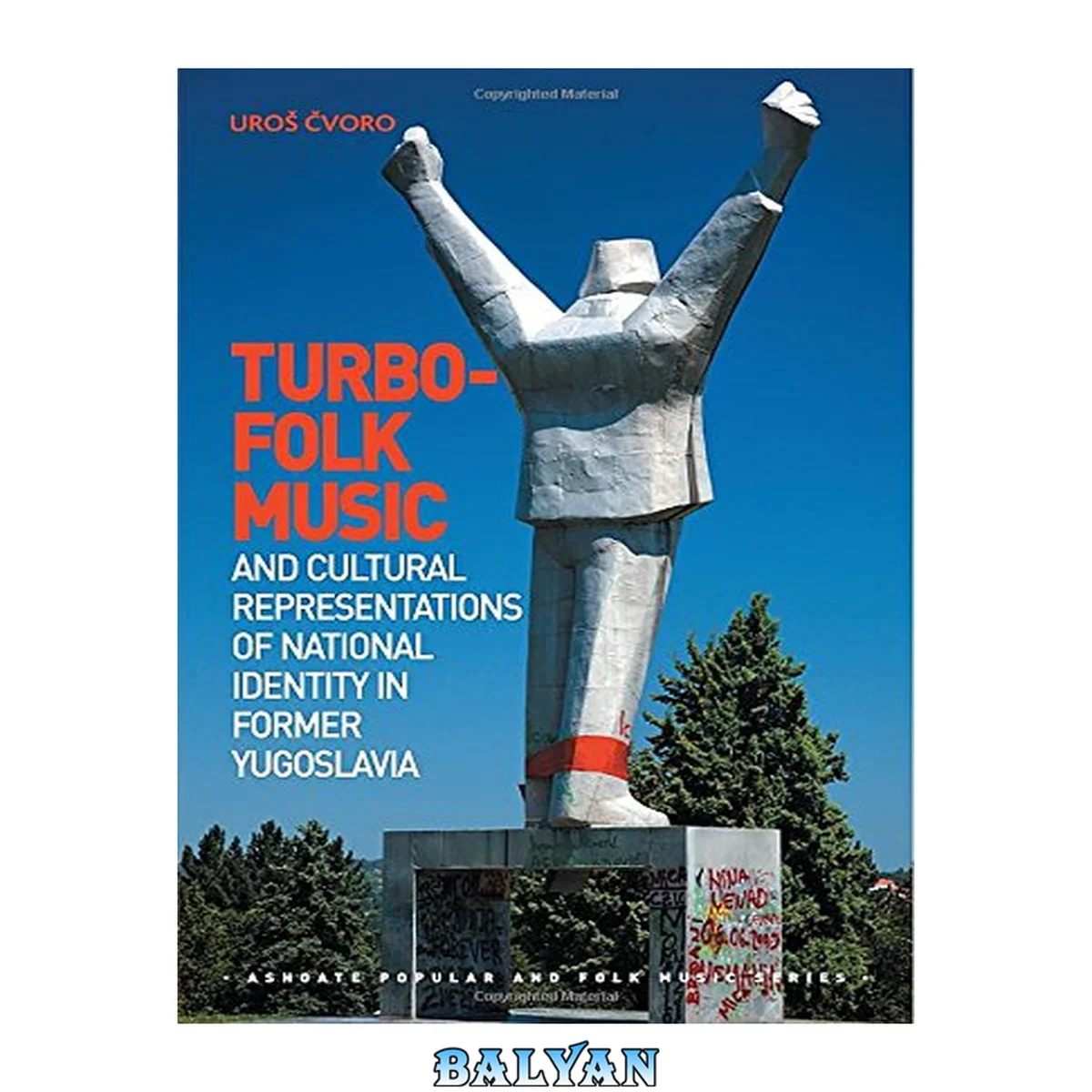
معرفی کتاب «Turbo-folk Music and Cultural Representations of National Identity in Former Yugoslavia» نوشتهٔ Uroš Čvoro، منتشرشده توسط نشر Ashgate Pub Co در سال 2014. این کتاب در 7 صفحه، فرمت pdf، زبان انگلیسی ارائه شده است.
Turbo-folk music is the most controversial form of popular culture in the new states of former Yugoslavia. Theoretically ambitious and innovative, this book is a new account of popular music that has been at the centre of national, political and cultural debates for over two decades. Beginning with 1970s Socialist Yugoslavia, Uroš Čvoro explores the cultural and political paradoxes of turbo-folk: described as 'backward' music, whose misogynist and Serb nationalist iconography represents a threat to cosmopolitanism, turbo-folk's iconography is also perceived as a 'genuinely Balkan' form of resistance to the threat of neo-liberalism. Taking as its starting point turbo-folk's popularity across national borders, Čvoro analyses key songs and performers in Serbia, Slovenia and Croatia. The book also examines the effects of turbo on the broader cultural sphere - including art, film, sculpture and architecture - twenty years after its inception and popularization. What is proposed is a new way of reading the relationship of contemporary popular music to processes of cultural, political and social change - and a new understanding of how fundamental turbo-folk is to the recent history of former Yugoslavia and its successor states Turbo-folk music is the most controversial form of popular culture in the new states of former Yugoslavia. Theoretically ambitious and innovative, this book is a new account of popular music that has been at the centre of national, political and cultural debates for over two decades. Beginning with 1970s Socialist Yugoslavia, Uroš Čvoro explores the cultural and political paradoxes of turbo-folk: described as 'backward' music, whose misogynist and Serb nationalist iconography represents a threat to cosmopolitanism, turbo-folk's iconography is also perceived as a 'genuinely Balkan' form of resistance to the threat of neo-liberalism. Taking as its starting point turbo-folk's popularity across national borders, Čvoro analyses key songs and performers in Serbia, Slovenia and Croatia. The book also examines the effects of turbo on the broader cultural sphere - including art, film, sculpture and architecture - twenty years after its inception and popularization. What is proposed is a new way of reading the relationship of contemporary popular music to processes of cultural, political and social change - and a new understanding of how fundamental turbo-folk is to the recent history of former Yugoslavia and its successor states Cover 1 Contents 6 List of Figures 8 General Editor's Preface 10 Acknowledgements 12 List of Abbreviations 14 Introduction: The Three Stories of Turbo-folk 16 Part I Turbo-nation 42 1 The People’s Eastern Kitsch 44 2 Remember the Nineties? 70 3 Beyond Serbia 96 Part II Turbo-culture 118 4 Turbo-art 120 5 They Can Be Heroes 144 6 Singin’ in the Film 170 Conclusion 194 Bibliography 200 Index 210
دانلود کتاب Turbo-folk Music and Cultural Representations of National Identity in Former Yugoslavia