The Untouched Key : Tracing Childhood Trauma in Creativity and Destructiveness
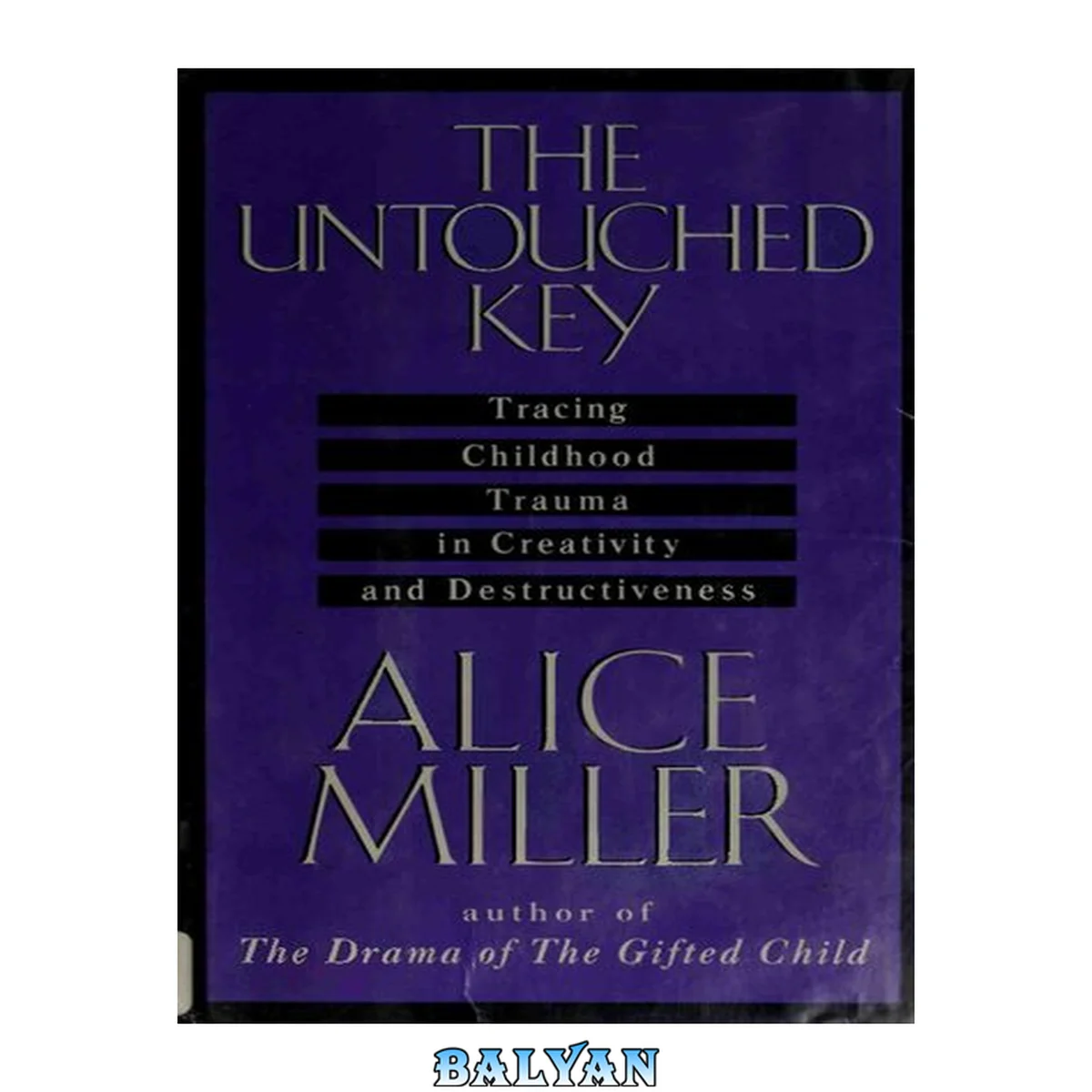
معرفی کتاب «The Untouched Key : Tracing Childhood Trauma in Creativity and Destructiveness» نوشتهٔ Terry، Pratchett و Alice Miller; Hunter Hannum; Hildegarde Hannum، منتشرشده توسط نشر Anchor Books در سال 1991. این کتاب در فرمت pdf، زبان انگلیسی ارائه شده است.
As in her former books, Alice Miller again focuses on facts. She is as determined as ever to cut through the veil that, for thousands of years now, has been so meticulously woven to shroud the truth. When she lifts that veil and brushes it aside, the results are astonishing, amply demonstrated by her analyses of the works of Nietzsche, Picasso, Käthe Kollwitz, Buster Keaton, and others. With the key shunned by so many for so long—childhood—she opens rusty locks and offers her readers a wealth of unexpected perspectives. What did Picasso express in Guernica? Why did Buster Keaton never smile? Why did Nietzsche heap so much opprobrium on women and religion and lose his mind for 11 years? Why did Hitler and Stalin become tyrannical mass murderers? Miller investigates these and other questions thoroughly in this book. She draws from her discoveries that human beings are not “innately” destructive, that they are made that way by ignorance, abuse, and neglect, particularly if no sympathetic witness comes to their aid. She also shows why some mistreated children do not become criminals, but instead bear witness as artists to the truth about their childhoods, even though in purely intuitive and unconscious ways. As in her former books, Alice Miller again focusses on facts. She is as determined as ever to cut through the veil that, for thousands of years now, has been so meticulously woven to shroud the truth. And when she lifts that veil and brushes it aside, the results are astonishing, as is amply demonstrated by her analyses of the works of Nietzsche, Picasso, Kollwitz, Keaton and others. With the key shunned by so many for so long - childhood - she opens rusty looks and offers her readers a wealth of unexpected perspectives.What did Picasso express in'Guernica'? Why did Buster Keaton never smile? Why did Nietzsche heap so much opprobrium on women and religion, and lose his mind for eleven years? Why did Hitler and Stalin become tyrannical mass murderers? Alice Miller investigates these and other questions thoroughly in this book. She draws from her discoveries the conclusion that human beings are not'innately'destructive, that they are made that way by ignorance, abuse, and neglect, particularly if no sympathetic witness comes to their aid. She also shows why some mistreated children do not become criminals but instead bear witness as artists to the truth about their childhoods, even though in purely intuitive and unconscious ways. As in her former books, Alice Miller again focuses on facts. She is as determined as ever to cut through the veil that, for thousands of years now, has been so meticulously woven to shroud the truth. When she lifts that veil and brushes it aside, the results are astonishing, amply demonstrated by her analyses of the works of Nietzsche, Picasso, Kathe Kollwitz, Buster Keaton, and others. With the key shunned by so many for so long--childhood--she opens rusty locks and offers her readers a wealth of unexpected perspectives. What did Picasso express in Guernica ? Why did Buster Keaton never smile? Why did Nietzsche heap so much opprobrium on women and religion and lose his mind for 11 years? Why did Hitler and Stalin become tyrannical mass murderers? Miller investigates these and other questions thoroughly in this book. She draws from her discoveries that human beings are not "innately" destructive, that they are made that way by ignorance, abuse, and neglect, particularly if no sympathetic witness comes to their aid. She also shows why some mistreated children do not become criminals, but instead bear witness as artists to the truth about their childhoods, even though in purely intuitive and unconscious ways. How our childhood can shape our history. Examples taken from Picasso, Nietzsche and Stalin's lives show us what effect unquestioned child-rearing methods can have for the development of the human body and soul. Dr. Miller explores the clues, often overlooked in biography, that connect unnoticed childhood traumas to adult creativity and destructiveness Also has brief case studies of Pablo Picasso, Kathe Kollwitz, Buster Keaton, and Chaim Soutine
دانلود کتاب The Untouched Key : Tracing Childhood Trauma in Creativity and Destructiveness