امپراتوری اویغور بر اساس تاریخهای دودمان تانگ: مطالعهای در روابط چین و اویغور ۷۴۴-۸۴۰ (سری انتشارات آسیایی، شماره ۲)
The Uighur Empire According To The Tʻang Dynastic Histories: A Study In Sino-uighur Relations 744-840 (asian Publications Series, No. 2)
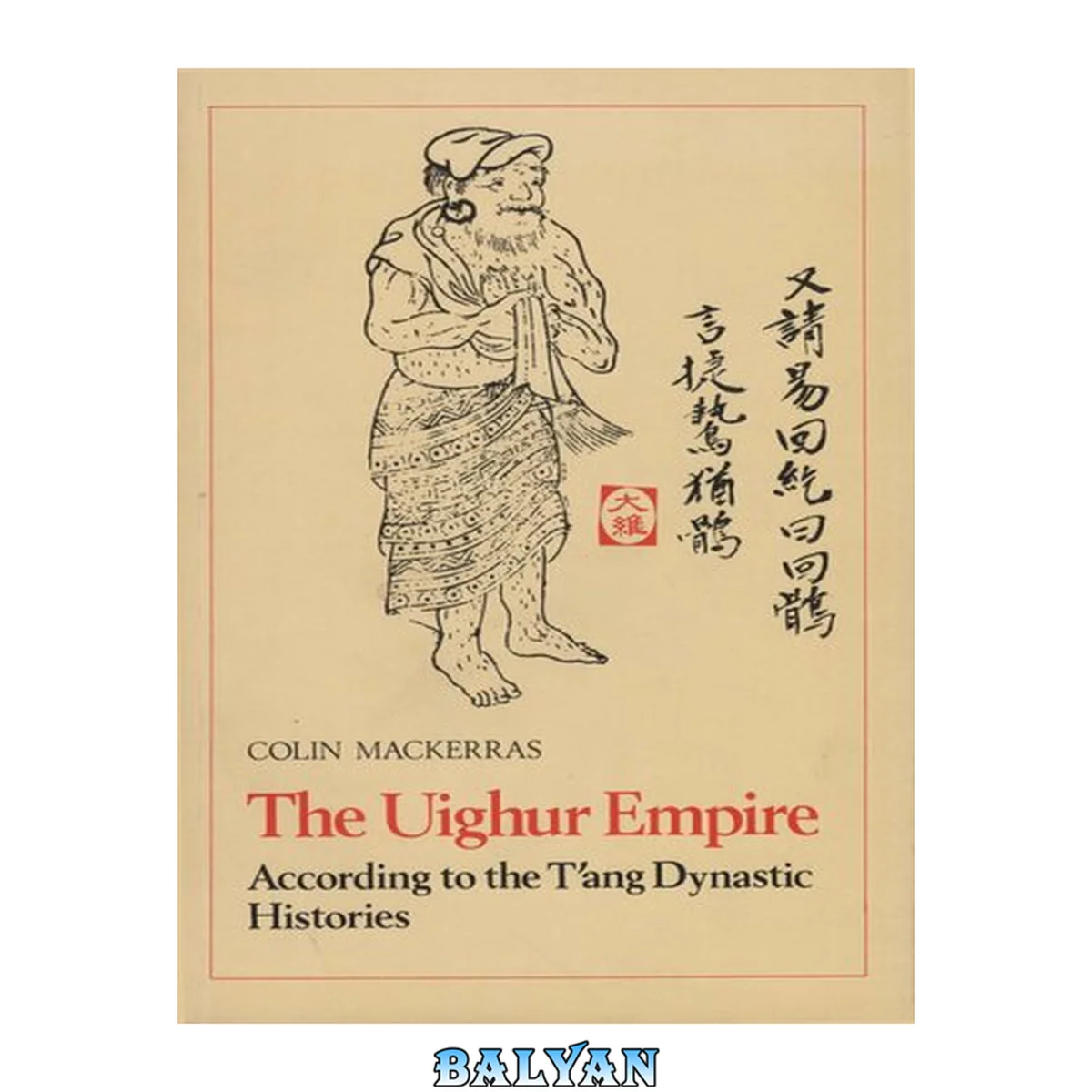
معرفی کتاب «امپراتوری اویغور بر اساس تاریخهای دودمان تانگ: مطالعهای در روابط چین و اویغور ۷۴۴-۸۴۰ (سری انتشارات آسیایی، شماره ۲)» (با عنوان لاتین The Uighur Empire According To The Tʻang Dynastic Histories: A Study In Sino-uighur Relations 744-840 (asian Publications Series, No. 2)) نوشتهٔ Colin Mackerras; Australian National University (Canberra) Centre of Oriental Studies، منتشرشده توسط نشر Australian National University Press در سال 1972. این کتاب در فرمت pdf، زبان انگلیسی ارائه شده است.
One of the most important aspects of China's foreign policy throughout its entire history has been its attempt to contain the threat of the warlike peoples of Central and Northern Asia and, when possible, to turn their vast power to China's advantage. In the years leading up to An Lu-Shan's attempts from 755 to overthrow the ruling T'ang dynasty, the Uighur people amassed great power in the Mongolian steppes, and their military aid contributed largely to the defeat of the Chinese rebels. The Chinese emperors in return sought to gain diplomatic influence over their neighbours by granting princesses in marriage to the Uighur khaghans. This book, originally published as an Occasional Paper of the Centre of Oriental Studies in 1968, contains translations of two long extracts dealing with the Uighurs from the standard histories of the T'ang, extensively annotated and with an introduction explaining the significance of the Uighurs, their history, and their relations with the T'ang. The annotations and introduction are substantially expanded and revised in this new edition. This is a work of great importance for Sinologists and scholars interested in Central Asia and Mongolia.
دانلود کتاب امپراتوری اویغور بر اساس تاریخهای دودمان تانگ: مطالعهای در روابط چین و اویغور ۷۴۴-۸۴۰ (سری انتشارات آسیایی، شماره ۲)