The Theodosian Age (A.D. 379-455): Power, place, belief and learning at the end of the Western Empire: Power, place, belief and learning at the end of the Western Empire
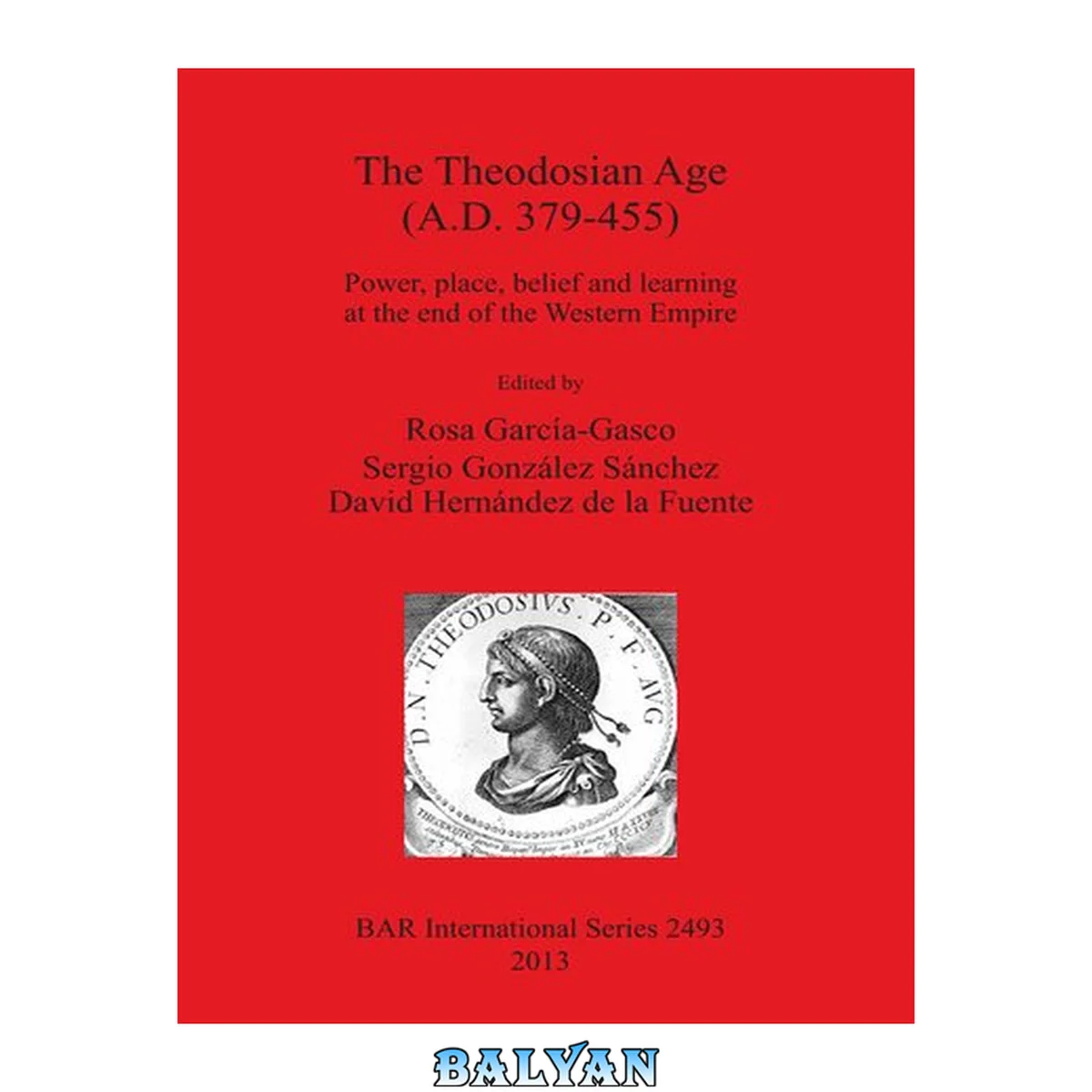
معرفی کتاب «The Theodosian Age (A.D. 379-455): Power, place, belief and learning at the end of the Western Empire: Power, place, belief and learning at the end of the Western Empire» نوشتهٔ García-Gasco, Rosa (editor);González Sánchez, Sergio (editor);Hernández de la Fuente, David (editor)، منتشرشده توسط نشر University of Michigan Press. این کتاب در فرمت pdf، زبان انگلیسی ارائه شده است.
The Theodosian Age was a controversial and fascinating period in the Late Roman Empire. Religious controversies and barbaric strife distressed the population. However, there was a remarkable blossoming of the arts, as evidenced by the literary and philosophical trends: a paradoxical first Renaissance of the Classical World at a 'time of anxiety'. The present volume combines diverse interests and methodologies with a single purpose: to give an overall picture of the new trends and perspectives currently used in the research of the epoch of Theodosius the Great and his successors, with special emphasis on the dynamics of places, power, belief and learning, and their mutual interdependencies. This monograph, stemming from the 2010 2nd International Congress on Late Antiquity held in Segovia (Spain), offers a scientific update and a dialogue between several disciplines. The Theodosian Age (AD 379-455): Power, Place, Belief and Learning at the End of the Western Empire is structured in two main sections — Ancient History and Archaeology, and Philosophy and Literature — and includes among the contributors some of the most relevant scholars in their fields: P. Barceló, M. V. Escribano, G. Montes Cala, R. Sanz Serrano, N. Christie, etc. Front Cover Title Page Copyright Table of contents List of figures Contact details Prefacio The power of Maternus Cynegius in the Theodosian court De las catacumbas a las catedrales: sobre la transformación del espacio sacro desde el inicio de la era cristiana hasta la época teodosiana / From the catacombs to the cathedrals: on the transformation of sacred space from the beginning of the Christian era to the Theodosian age The fate of temples in Late-Antique Rome Sicilian cities between the fourth and fifth centuries AD The creation of Christian urban landscapes in Hispania: a rather late development Cristianización y violencia religiosa en la bética: tres casos de eliminación de escultura pagana y mitológica en torno a época teodosiana / Christianization and religious violence in Baetica: three case-studies of destruction of pagan and mythologicalsculpture around the Theodosian age El papel de Gala Placidia en la creación de un reino Godo en occidente / The role of Gala Placidia in the creation of the Gothic Western kingdom Theodosius II and the consolidation of the Visigothic power in the West: the numismatic and the monetary evidences Ammianus and Theodosius I concerning the Barbarica Conspiratio The foedus of 382 or how the Goths did not become integrated into the Roman Empire The missorium of Theodosius: imperial elites and the Lusitanian countryside in the Later Roman Empire Rural population of farmlands south of the Guadalquivir valley in Late Antiquity (fourth-sixth century AD) Safe in their homes? Reflections on defending towns and populations in northern Italy, AD 350-450 El retrato de Teodosio I (Epit. 48): una encrucijada imperial en la caracterización imperial de la Antigüedad Tardía / Theodosius I protrait (Epit. 48): a crossroad on the characterization of the emperor in Late-Antiquity Themistius and the accession of Theodosius I (Oratio XIV) La cristianización del calendario oficial romano y la política religiosa de Graciano, Valentiniano II y Teodosio I / The Christianization of the official Roman calendar and the religious policy of Gratian, Valentinian II and Theodosius I The persecutores in the late antique Christian literature (fourth-fifth century AD): Christian historical retrospective of the period of persecution after the Edict of Thessalonica (AD 380) From the cave to the desert: The Platonic myth of the cave and its Christian echoes Reception of Proclus in Pletho and Ficino Diogenes Laertius between tradition and innovation: philosophers and θεῖοι ἄνδρες Rhetoric of novelty in the Dionysiaca of Nonnus of Panopolis La teúrgia, de época teodosiana a Nono de Panópolis. Una visión panorámica / The Theurgy, from the Theodosian age to Nonnus of Panopolis: a panoramic overview La frontera entre la prosa y el verso en la sofística del Bajo Imperio: reconsiderando a Himerio / Frontiers between prose and poetry in Greek sophistic of the Late Roman Empire: Himerius reconsidered Elio Aristides como modelo retórico desde la Antigüedad tardía al Renacimiento / Aelius Aristides as rhetorical model from Late Antiquity to the Renaissance Reference List and Bibliography Back Cover Prefacio / Rosa García-Gasco, Sergio González Sánchez and David Hernández de la Fuente Section 1. History and archaeology. The power of Maternus Cynegius in the Theodosian court / María Victoria Escribano Paño De las catacumbas a las catedrales: sobre la transformación del espacio sacro desde el inicio de la era cristiana hasta la época teodosiana / Pedro Barceló The fate of temples in late-antique Rome / Chantal Bielmann Sicilian cities between the fourth and fifth centuries AD / Denis Sami The creation of Christian urban landscapes in Hispania: a rather late development / Pilar Diarte Blasco Cristianización y violencia religiosa en la bética: tres casos de eliminación de escultura pagana y mitológica en torno a época teodosiana / Jerónimo Sánchez Velasco El papel de Gala Placidia en la creación de un reino godo en Occidente / Rosa Sanz-Serrano Theodosius II and the consolidation of the Visigothic power in the West / Fernando López Sánchez Ammianus and Theodosius I concerning the Barbarica Conspiratio / David Álvarez-Jiménez The foedus of 382 or how the Goths did not become integrated into the Roman Empire / Eike Faber The missorium of Theodosius: imperial elites and the Lusitanian countryside in the Later Roman Empire / Saúl Martin González Rural population of farmlands south of the Guadalquivir Valley in late antiquity (fourth-sixth centuries AD) / Enrique García VArgas and Jacobo Vázquez Paz Safe in their homes? Reflections on defending towns and populations in northern Italy, AD 350-450 / Neil Christie section 2. Philosophy and literature. El retrato de Teodosio I (Epit. 48), una encrucijada en la caracterización imperial de la Antigüedad tardía / Isabel Moreno-Ferrero Themistius and the accession of Theodosius I, Oratio XIV / Aitor Blanco-Pérez La cristianización del calendario oficial romano y la polîtica religiosa de Graciano, Valentiniano II y Teodosio I / Esteban Moreno Resano The persecutores in the Late Antique Christian literature (4th-5th century AD): Christian historical retrospective of the period of persecution after the Edict of Thessalonica-AD 380 / JOrge Cuesta Fernández From the cave to the desert: the Platonic myth of the cave and its Christian echoes / Javier Martínez Reception of Proclus in Pletho and Ficino / Jesús de Garay Diogenes Laertius between tradition and innovation: philosophers and [Theîoi ândres] / Sergi Grau Rhetoric of novelty in the Dionysiaca of Nonnus of Panopolis / Laura Miguélez-Cavero La teúrgia, de época teodosiana a Nono de Panópolis. Una visión panorámica / Rosa García-Gasco La frontera entre la prosa y el verso en la sofística del Bajo Imperio: reconsiderando a Himerio / José Guillermo Montes Cala Elio Aristides como modelo retórico desde la Antigüedad tardía al Renacimiento / David Hernández de la Fuente Bibliography/Reference list. "Papers presented at the conference on the age of the eastern Roman emperor Theodosius (Segovia 2009)"--Publisher's web site. "Papers presented at the conference on the age of the eastern Roman emperor Theodosius (Segovia 2009)"-- Publisher's web site
دانلود کتاب The Theodosian Age (A.D. 379-455): Power, place, belief and learning at the end of the Western Empire: Power, place, belief and learning at the end of the Western Empire