The Story of Roman Bath
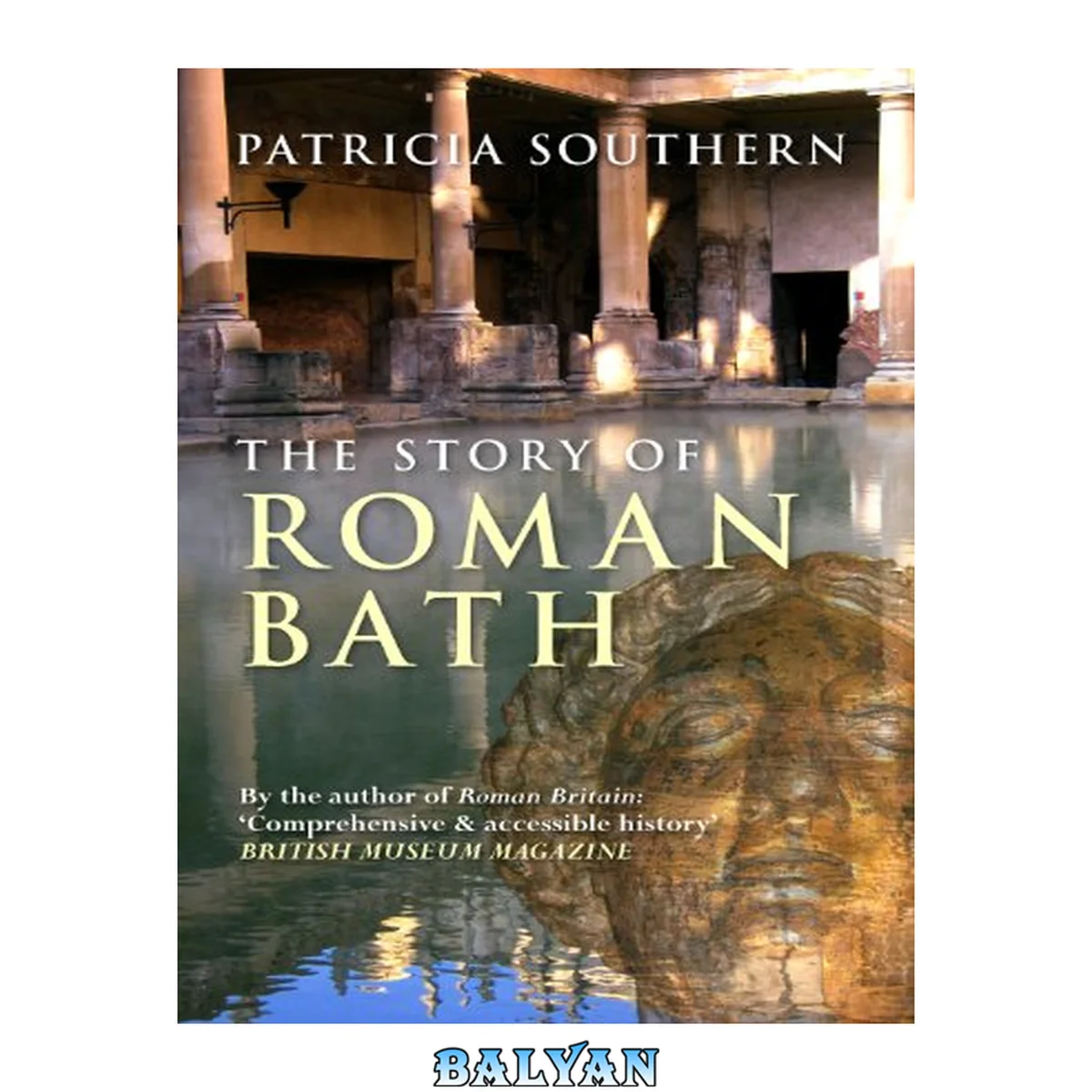
معرفی کتاب «The Story of Roman Bath» نوشتهٔ Patricia Southern، منتشرشده توسط نشر Amberley Publishing در سال 2013. این کتاب در فرمت epub، زبان انگلیسی ارائه شده است.
When the Romans built the bath and temple complex of Bath in the late first century AD they called the place Aquae Sulis, the waters of Sulis, a British deity who was equated with the Roman godess Minerva. it was unlike any other town in Roman Britain, it had no specific town status, compared to nearby Cirencester, which was a chartered town set up as a tribal administrative centre. All classes of people came to Aquae Sulis, to visit the temple of Sulis-Minerva, the hot springs and the Great Bath. Soldiers on sick leave came to convalesce; Roman Britons and women and slaves recorded their visits on various inscriptions since discovered during archaeological excavations. Gaius Calpurnius Receptus, a priest, was commemorated by his widow Calpurnia Trifosa; Priscus, a stonemason from Chartres in Gaul, may have repaired some of the buildings; Vettius Romulus and his wife, mourning the loss of their three year old daughter, had perhaps brought her to pray for a cure. Following the Romans departure, from the fifth and sixth centuries the rise of Christianity ultimately caused the decline of pagan worship and as the old gods were neglected, so were the buildings of Aquae Sulis, which disappeared under an accumulation of silt and mud. The Baths and the temple of Sulis-Minerva were rediscovered in the eighteenth century and the Roman Baths that we see today were rebuilt by the Victorians. Patricia Southern's new history charts the rise and fall of roman Bath and examines the baths as they are today part of a major World Heritage Site. When The Romans Built The Bath-and-temple Complex Of Bath In The Late First Century Ad, They Called The Place Aquae Sulis, The Waters Of Sulis, A British Deity Who Was Equated With The Roman Goddess Minerva. It Was Unlike Any Other Town In Roman Britain, And It Had No Specific Town Status, Compared To Nearby Cirencester, Which Was A Chartered Town Set Up As A Tribal Administrative Centre. All Classes Of People Came To Aquae Sulis, To Visit The Temple Of Sulis Minerva, The Hot Springs And The Great Bath. Soldiers On Sick Leave Came To Convalesce; Romans, Britons And Slaves Recorded Their Visits On Various Inscriptions Since Discovered During Archaeological Excavations. Gaius Calpurnius Receptus, A Priest, Was Commemorated By His Widow; Priscus, A Stonemason From Chartres In Gaul, May Have Repaired Some Of The Buildings; Vettius Romulus And His Wife Mourned The Loss Of Their Three-year-old Daughter, Successa Petronia. Following The Romans' Departure, From The Fifth And Sixth Centuries The Rise Of Christianity Ultimately Caused The Decline Of Pagan Worship, And As The Old Gods Were Neglected, So Were The Buildings Of Aquae Sulis, Which Disappeared Under An Accumulation Of Silt And Mud. The Baths And The Temple Of Sulis Minerva Were Rediscovered In The Eighteenth Century And The Roman Baths That We See Today Were Rebuilt By The Victorians. Patricia Southern's History Charts The Rise And Fall Of Roman Bath And Examines The Baths As They Are Today, Part Of A Major World Heritage Site. --publisher Description. Illustrated with over 100 photographs, drawings and plans, this book provides a comprehensive history of Roman bath.
دانلود کتاب The Story of Roman Bath