The Stages of Property : Copyrighting Theatre in Spain
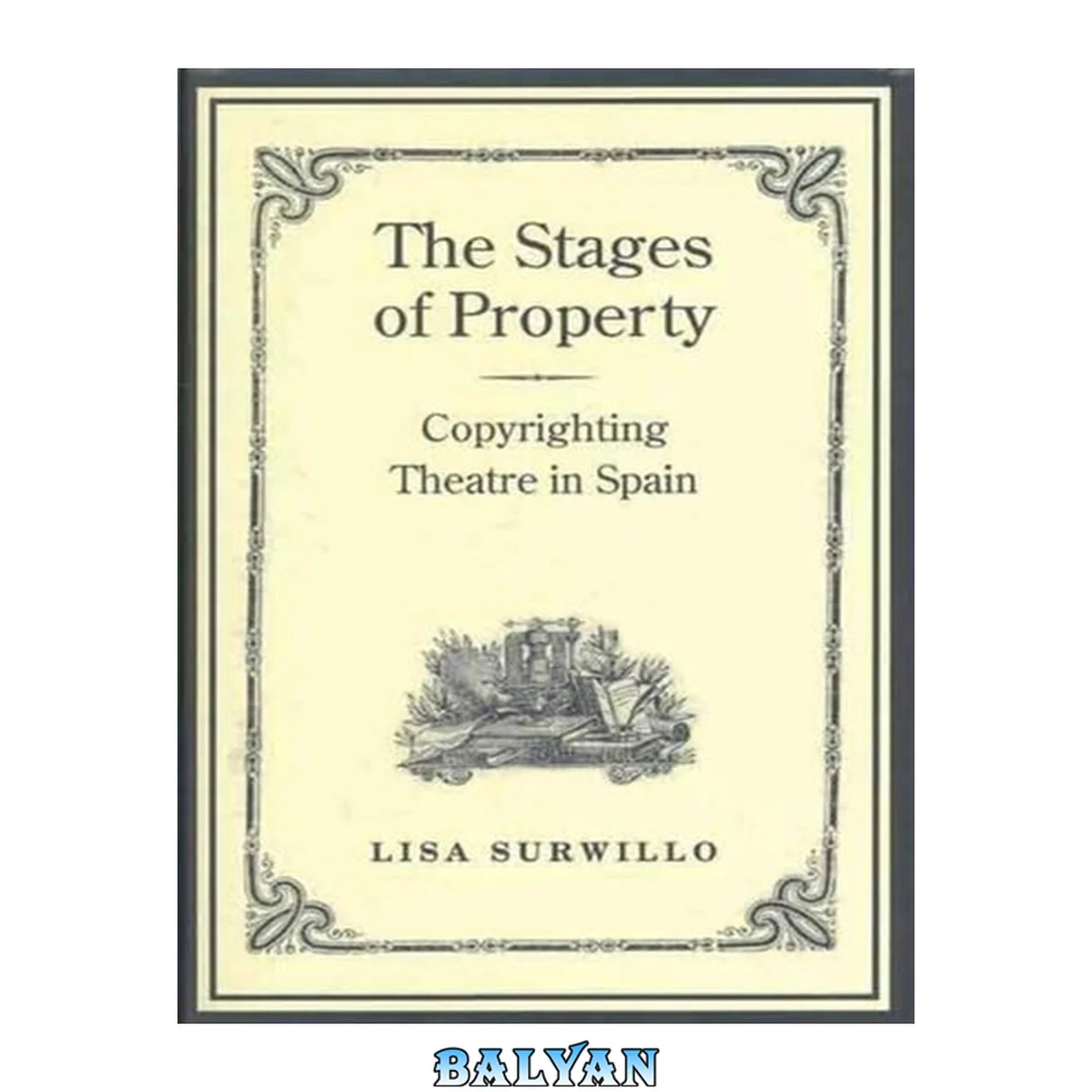
معرفی کتاب «The Stages of Property : Copyrighting Theatre in Spain» نوشتهٔ Surwillo, Lisa، منتشرشده توسط نشر University of Toronto Press در سال 2007. این کتاب در فرمت pdf، زبان انگلیسی ارائه شده است.
The manner in which a play is published often says as much about the culture that it comes from as the play itself. Using the example of nineteenth-century Spanish theatre, The Stages of Property argues that there is a great deal one can learn about a nation by examining its publication standards.
Lisa Surwillo discusses the ways in which notions of intellectual property transformed Spain’s theatre – its agents, performance practices, and reception – over a period of fifty years, from 1830 to 1880. For three centuries, theatre had been the cultural arm of the monarchy. After the institution of copyright, however, it became the backbone of a new cultural industry controlled by a handful of publishers. In this atmosphere of private ownership, ideas of intellectual property and author’s rights assumed a much greater immediacy than they had previously. The impact on theatrical practices was significant, resulting in the development of a homogenized national culture of shared theatre and reading experiences.
Through an integrative historicist approach to a wide range of literary texts and archival documents, The Stages of Property makes an important statement about the cultural, societal, and political roles of the theatre in Spain during the 1800s.
The manner in which a play is published often says as much about the culture that it comes from as the play itself. Using the example of nineteenth-century Spanish theatre, The Stages of Property argues that there is a great deal one can learn about a nation by examining its publication standards. Lisa Surwillo discusses the ways in which notions of intellectual property transformed Spain?s theatre? its agents, performance practices, and reception? over a period of fifty years, from 1830 to 1880. For three centuries, theatre had been the cultural arm of the monarchy. After the institution of copyright, however, it became the backbone of a new cultural industry controlled by a handful of publishers. In this atmosphere of private ownership, ideas of intellectual property and author?s rights assumed a much greater immediacy than they had previously. The impact on theatrical practices was significant, resulting in the development of a homogenized national culture of shared theatre and reading experiences. Through an integrative historicist approach to a wide range of literary texts and archival documents, The Stages of Property makes an important statement about the cultural, societal, and political roles of the theatre in Spain during the 1800s Contents 5 Preface 7 Introduction: Law, Theatre, and the Republic of Letters 11 Stage I: Literary Property and Modern Spain 35 1. Cultivating Property: Desamortización and the Culture of Authors’ Rights 35 2. Performative Appeal: From El trovador to the Royal Decree 51 Stage II: Poets and Publishers 77 3. Authors between Stage and Page 77 4. Editores and Owners 93 Stage III: National Literary Galleries 121 5. Textual Museums 121 6. Paratextual Performances in the ‘Galerías dramáticas’ 134 Conclusion 157 Appendix 161 Notes 171 Sources Cited and Consulted 203 Illustration Credits 217 Index 219