The Soul/Body Problem in Plato and Aristotle (Lecturae Platonis)
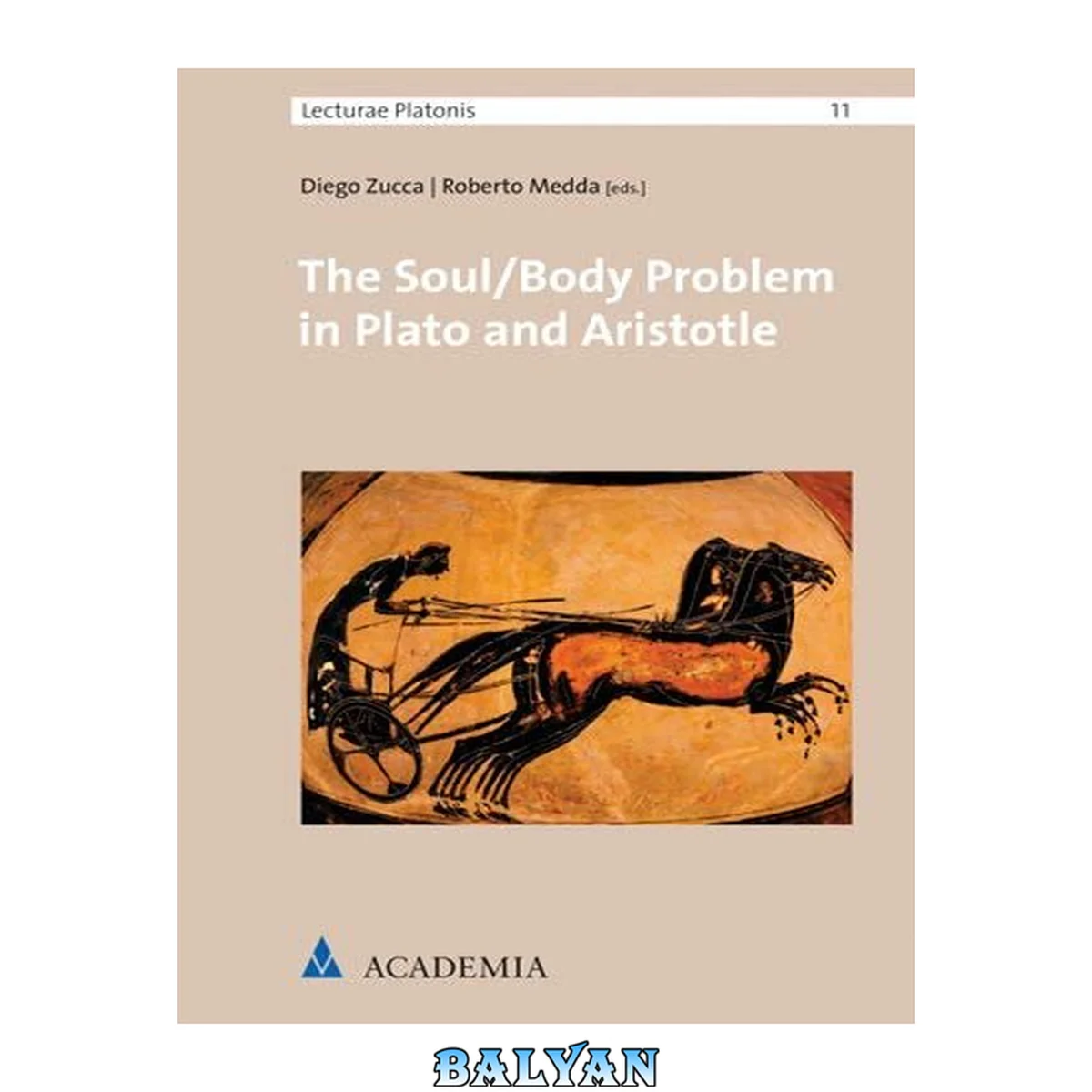
معرفی کتاب «The Soul/Body Problem in Plato and Aristotle (Lecturae Platonis)» نوشتهٔ Matt، Ridley و Diego Zucca (editor), Roberto Medda (editor)، منتشرشده توسط نشر Academia Verlag Richarz GmbH در سال 2019. این کتاب در فرمت pdf، زبان انگلیسی ارائه شده است.
This book concerns the soul/body problem in Plato and Aristotle. Established as well as early career scholars actually working on Plato and Aristotle explore - under different points of view as well as through original readings and interpretations - the manifold dimensions involved in the conception of the soul/body relation articulated by the two greatest founders of Western Thought. The book starts with an exploration of the relation between cause and matter in Plato and Aristotle, then some papers on Plato's theory of soul and body are presented, which involve new advancements in the research about Platonic epistemology, moral and political theory, metaphysics of mind, even about his religious and 'theological' view. Some papers on Aristotle's model follow, which are focused on his so-called "hylomorphism" as an alternative view to Plato's alleged "dualism": the ontology of the soul/body relation in Aristotle is explored, as well as the implications of this theoretical framework for his theory of knowledge, his moral theory, his cognitive psychology. Finally, two papers critically assess the philosophical connections between Aristotle's hylomorphism and its modern and contemporary Wirkungsgeschichte. Cover 1 Table of Contents 22 Matter Is Not a True Cause 24 I. 1 “Because” as Cause: Plato 24 I.2 “Because” as Cause: Aristotle 26 I.3 “Because” as Cause: Sextus Empiricus 28 II.1 The Stoics and the Material Cause 29 II. 2 Matter as Condicio sine qua non: Plato 30 II.3 Matter as Cause or Condicio sine qua non? Aristotle 33 Conclusions 36 References 37 The Soul and Plato's Dialectical/Systemic Model 40 I. Preliminary Remarks 40 II. Some Introductory Examples of the Multifocal Approach 44 III. The Soul-Body Relation on the Gnoseological Level 46 IV. Man’s Attainment of the Truth 48 V. The True Human Being 49 VI. The Soul's Complexity 51 VII. The Immortality of the Soul 55 VIII. The Multifocal Approach 57 References 60 Plato’s Soul-Body Problem 62 I. 62 II. 63 III. 63 IV. 65 V. 66 VI. 67 VII. 68 VIII. 69 IX. 70 X. 71 XI. 73 References 75 On the Relationship between Psuchê and Senses in Plato’s Theaetetus 76 References 94 On Soul-Body “Dualism” in Plato 96 I. 96 II. 100 III. 104 IV. 108 References 115 De An.I 1, 403a25 and the lógoi énuloi: An Heraclitean Heritage in Aristotle’s Psychology 116 I. The Problem 116 II. A Peculiar “Void” in Critical Literature 118 III. Looking at 403a25 in the Frame of the Whole De anima 119 IV. Meaning of “énulos” 121 V. Meaning of “páthos” 122 VI. Meaning of “lógos” 123 VII. Meaning of “lógos énulos” 124 VIII. Heraclitean Heritages. Heraclitus on Water and Dis-course 124 IX. The Interpenetration of Matter and Form 127 X. Conclusions 131 References 133 Physiology and the Exemplar: Aristotle on Recognition and Moral Progress 136 I. 137 II. 143 III. 149 References 152 What is Aristotle’s Active Intellect? 154 Part I: The Active Intellect Introduced 154 I.1 What III 5 Says 154 I.2 Aristotle’s View of Human Intellect in de An. before III 5 156 PART II: The Interpretations at Face-Value: Pros and Cons 160 II.1 The Divine Interpretation (DI) 160 II.2 The Human Interpretation (HI) 165 II.3 The “Social” Interpretation (SI) 167 II.4 Beyond DI, HI and SI: The Content Interpretation (CI) 170 References 175 Aristotle and the “Cartesians’ Error” 180 I. Introduction 180 II. The Debate on the Mind-Body Problem 182 III. Aristotle’s Psychological Hylomorphism under the Cartesian Lens 186 IV. Conclusive Remarks 194 References 195 Contemporary Hylomorphism and the Problems of Mind versus Body 198 References 212 Bio of the Editors 214 Index of Authors (with the exceptions of ‘Socrates’, ‘Plato’ and ‘Aristotle’) 216 ANCIENT: 216 MODERN: 217
دانلود کتاب The Soul/Body Problem in Plato and Aristotle (Lecturae Platonis)