The Signature Style of Frans Hals: Painting, Subjectivity, and the Market in Early Modernity (Amsterdam Studies in the Dutch Golden Age)
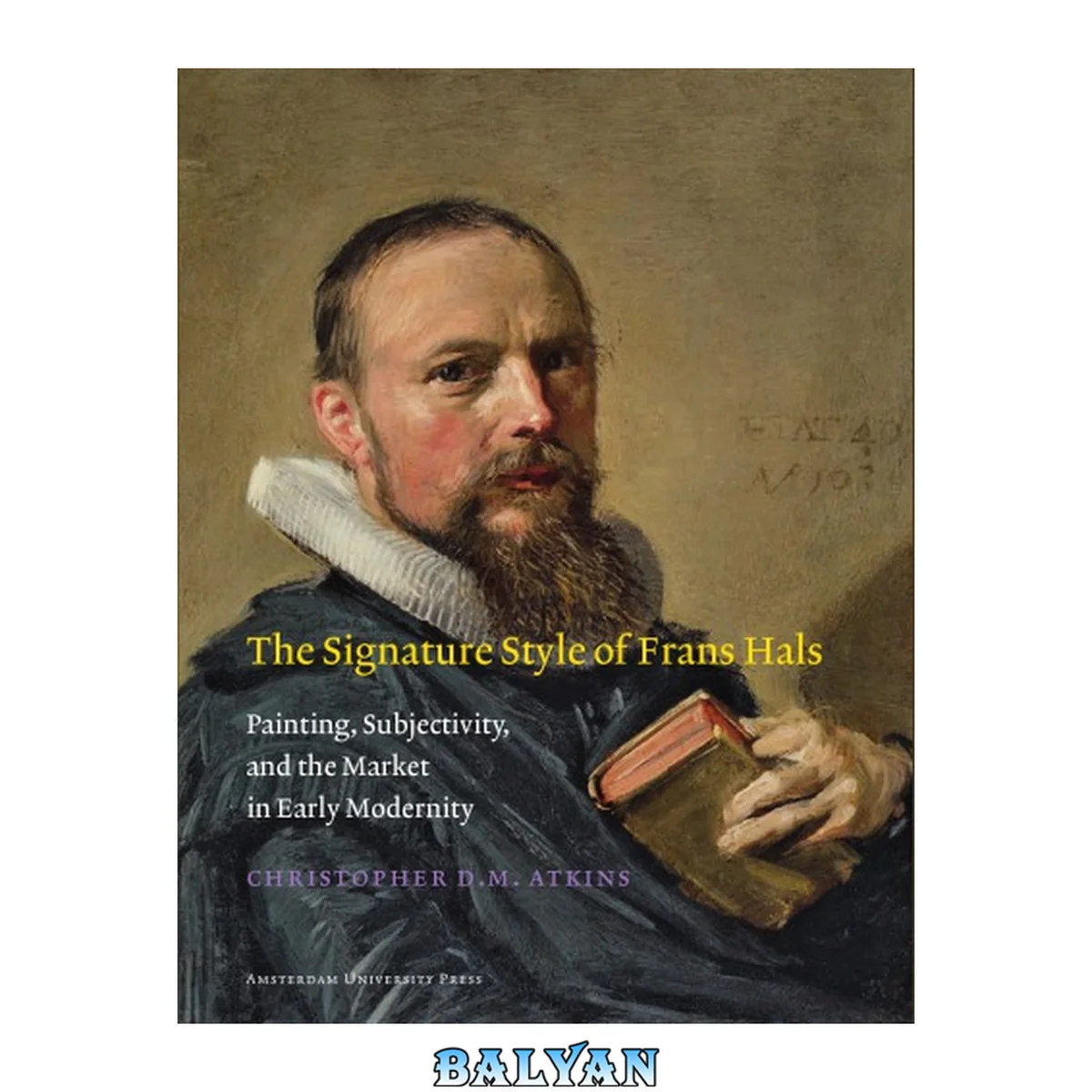
معرفی کتاب «The Signature Style of Frans Hals: Painting, Subjectivity, and the Market in Early Modernity (Amsterdam Studies in the Dutch Golden Age)» نوشتهٔ Christopher D. M. Atkins، منتشرشده توسط نشر Amsterdam University Press در سال 2012. این کتاب در فرمت pdf، زبان انگلیسی ارائه شده است.
This richly illustrated study is the first consider the manifold functions and meanings of Hals's distinctive handling of paint. Atkins explores the uniqueness of Hals's approach to painting and the relationship of his manner to seventeenth-century aesthetics. He also investigates the economic motivations and advantages of his methods, the operation of the style as a personal and workshop brand, and the apparent modernity of the artist's style. The book seeks to understand the multiple levels on which Hals's consciously cultivated manner of painting operated for himself, his pupils and assistants, his clients, and succeeding generations of viewers. As a result, the book offers a wholly new understanding of one of the leading artists of the Dutch Golden Age, and one of the most formative painters in the history of art in the Western tradition. It also provides a much needed interrogation of the interrelationships of subjectivity, style, authorship, methods of artistic and commercial production, economic consumption, and art theory in early modernity. "This book is the first study to consider the manifold functions and meanings of Hal's handling of paint. Atkins explores the uniqueness of Hals's approach to painting, the relationship of his manner to seventeenth-century aesthetics, the economic motivations and advantages of his methods, the operation of the style as a personal and workshop brand, and the apparent modernity of the artist's style. In sum, the book seeks to understand the multiple levels on which Hals's consciously cultivated manner of painting operated for himself, his pupils and assistants, his clients, and succeeding generations of viewers. As a result, the book offers a wholly new understanding of one of the leading artists of the Dutch Golden Age, and one of the most formative painters in the history of art of Western tradition. This book is the first study to consider the manifold functions and meanings of Hal's handling of paint. Atkins explores the uniqueness of Hals's approach to painting, the relationship of his manner to seventeenth-century aesthetics, the economic motivations and advantages of his methods, the operation of the style as a personal and workshop brand, and the apparent modernity of the artist's style. In sum, the book seeks to understand the multiple levels on which Hals's consciously cultivated manner of painting operated for himself, his pupils and assistants, his clients, and succeeding generations of viewers. As a result, the book offers a wholly new understanding of one of the leading artists of the Dutch Golden Age, and one of the most formative painters in the history of art of Western tradition."--Publisher description "This book is the first study to consider the manifold functions and meanings of Hal's handling of paint. Atkins explores the uniqueness of Hals's approach to painting, the relationship of his manner to seventeenth-century aesthetics, the economic motivations and advantages of his methods, the operation of the style as a personal and workshop brand, and the apparent modernity of the artist's style. In sum, the book seeks to understand the multiple levels on which Hals's consciously cultivated manner of painting operated for himself, his pupils and assistants, his clients, and succeeding generations of viewers. As a result, the book offers a wholly new understanding of one of the leading artists of the Dutch Golden Age, and one of the most formative painters in the history of art of Western tradition.This book is the first study to consider the manifold functions and meanings of Hal's handling of paint. Atkins explores the uniqueness of Hals's approach to painting, the relationship of his manner to seventeenth-century aesthetics, the economic motivations and advantages of his methods, the operation of the style as a personal and workshop brand, and the apparent modernity of the artist's style. In sum, the book seeks to understand the multiple levels on which Hals's consciously cultivated manner of painting operated for himself, his pupils and assistants, his clients, and succeeding generations of viewers. As a result, the book offers a wholly new understanding of one of the leading artists of the Dutch Golden Age, and one of the most formative painters in the history of art of Western tradition." --Publisher description Table of Contents 6 Acknowledgments 8 Introduction 12 Painting and Style 13 Subjectivity 15 The Market 17 Early Modernity 19 Chapter 1 - A Liveliness Uniquely His 26 Lively Paintings/Painting Liveliness 27 A Lively Method 51 A Distinctive Approach 65 Chapter 2 - Virtuosity 88 Virtuoso Brushwork 90 Virtuosi-Liefhebbers 102 The Self-Aware Virtuoso? 112 Chapter 3 - Painting for the Market 118 A Process Innovation? 119 Flemish Inspiration 128 A Signature Style 148 Chapter 4 - The Hals Brand 162 Hals’s Workshop 163 The Activities and Products of the Workshop 168 Market Identity and the House Brand 179 Chapter 5 - Modernity 196 Initial Constructions 197 The Nineteenth-Century Revival 212 The Modern Tradition 225 Fated Always to Look Modern 233 Notes 240 Introduction 240 Chapter 1 243 Chapter 2 250 Chapter 3 257 Chapter 4 267 Chapter 5 277 List of Illustrations 290 Bibliography 298 Index 320
دانلود کتاب The Signature Style of Frans Hals: Painting, Subjectivity, and the Market in Early Modernity (Amsterdam Studies in the Dutch Golden Age)