انقلاب سلطنتی: سلطنت و بنیانگذاری آمریکا
The Royalist Revolution : Monarchy and the American Founding
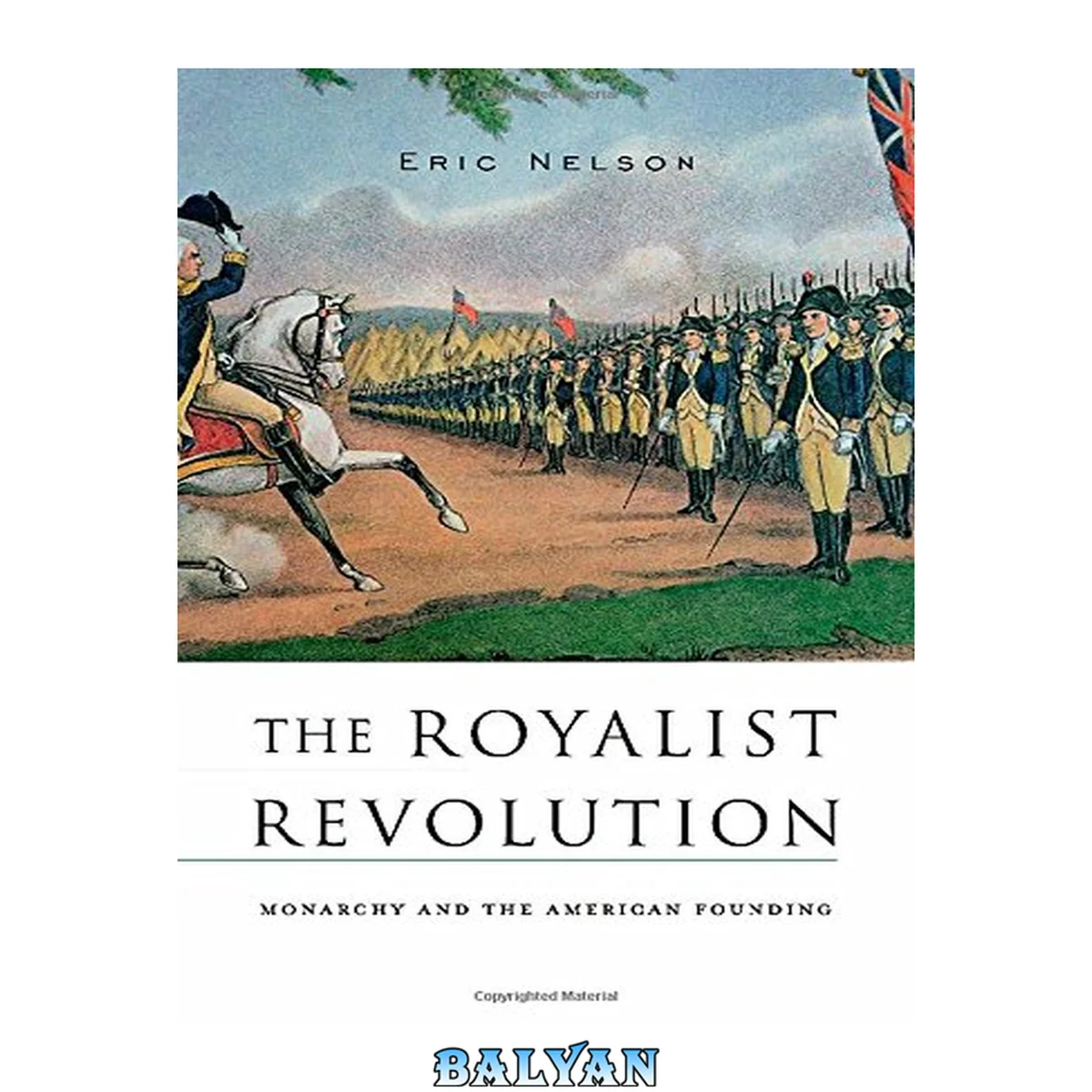
معرفی کتاب «انقلاب سلطنتی: سلطنت و بنیانگذاری آمریکا» (با عنوان لاتین The Royalist Revolution : Monarchy and the American Founding) نوشتهٔ Gillian Rose و Eric Nelson، منتشرشده توسط نشر Belknap Press: An Imprint of Harvard University Press در سال 2014. این کتاب در فرمت pdf، زبان انگلیسی ارائه شده است.
Generations of students have been taught that the American Revolution was a revolt against royal tyranny. In this revisionist account, Eric Nelson argues that a great many of our “founding fathers” saw themselves as rebels against the British Parliament, not the Crown. __The Royalist Revolution__ interprets the patriot campaign of the 1770s as an insurrection in favor of royal power—driven by the conviction that the Lords and Commons had usurped the just prerogatives of the monarch. Leading patriots believed that the colonies were the king’s own to govern, and they urged George III to defy Parliament and rule directly. These theorists were proposing to turn back the clock on the English constitution, rejecting the Whig settlement that had secured the supremacy of Parliament after the Glorious Revolution. Instead, they embraced the political theory of those who had waged the last great campaign against Parliament’s “usurpations”: the reviled Stuart monarchs of the seventeenth century. When it came time to design the state and federal constitutions, the very same figures who had defended this expansive conception of royal authority—John Adams, Alexander Hamilton, James Wilson, and their allies—returned to the fray as champions of a single executive vested with sweeping prerogatives. As a result of their labors, the Constitution of 1787 would assign its new president far more power than any British monarch had wielded for almost a hundred years. On one side of the Atlantic, Nelson concludes, there would be kings without monarchy; on the other, monarchy without kings. Generations of students have been taught that the American Revolution was a revolt against royal tyranny. In this revisionist account, Eric Nelson argues that a great many of our "founding fathers" saw themselves as rebels against the British Parliament, not the Crown. The Royalist Revolution interprets the patriot campaign of the 1770s as an insurrection in favor of royal power driven by the conviction that the Lords and Commons had usurped the just prerogatives of the monarch. Leading patriots believed that the colonies were the king's own to govern, and they urged George III to defy Parliament and rule directly. These theorists were proposing to turn back the clock on the English constitution, rejecting the Whig settlement that had secured the supremacy of Parliament after the Glorious Revolution. Instead, they embraced the political theory of those who had waged the last great campaign against Parliament's "usurpations": the reviled Stuart monarchs of the seventeenth century. When it came time to design the state and federal constitutions, the very same figures who had defended this expansive conception of royal authority John Adams, Alexander Hamilton, James Wilson, and their allies returned to the fray as champions of a single executive vested with sweeping prerogatives. As a result of their labors, the Constitution of 1787 would assign its new president far more power than any British monarch had wielded for almost a hundred years. On one side of the Atlantic, Nelson concludes, there would be kings without monarchy; on the other, monarchy without kings.-- Provided by Publisher Generations of students have been taught that the American Revolution was a revolt against royal tyranny. In this revisionist account, Eric Nelson argues that a great many of our founding fathers saw themselves as rebels against the British Parliament, not the Crown. "The Royalist Revolution" interprets the patriot campaign of the 1770s as an insurrection in favor of royal power driven by the conviction that the Lords and Commons had usurped the just prerogatives of the monarch. Leading patriots believed that the colonies were the king s own to govern, and they urged George III to defy Parliament and rule directly. These theorists were proposing to turn back the clock on the English constitution, rejecting the Whig settlement that had secured the supremacy of Parliament after the Glorious Revolution. Instead, they embraced the political theory of those who had waged the last great campaign against Parliament s usurpations: the reviled Stuart monarchs of the seventeenth century. When it came time to design the state and federal constitutions, the very same figures who had defended this expansive conception of royal authority John Adams, Alexander Hamilton, James Wilson, and their allies returned to the fray as champions of a single executive vested with sweeping prerogatives. As a result of their labors, the Constitution of 1787 would assign its new president far more power than any British monarch had wielded for almost a hundred years. On one side of the Atlantic, Nelson concludes, there would be kings without monarchy; on the other, monarchy without kings." Winner of the Society of the Cincinnati History Prize, Society of the Cincinnati in the State of New JerseyFinalist, George Washington PrizeA Choice Outstanding Academic Title of 2015Generations of students have been taught that the American Revolution was a revolt against royal tyranny. In this revisionist account, Eric Nelson argues that a great many of our “founding fathers” saw themselves as rebels against the British Parliament, not the Crown. The Royalist Revolution interprets the patriot campaign of the 1770s as an insurrection in favor of royal power—driven by the conviction that the Lords and Commons had usurped the just prerogatives of the monarch.“The Royalist Revolution is a thought-provoking book, and Nelson is to be commended for reviving discussion of the complex ideology of the American Revolution. He reminds us that there was a spectrum of opinion even among the most ardent patriots and a deep British influence on the political institutions of the new country.”—Andrew O'Shaughnessy, Wall Street Journal“A scrupulous archaeology of American revolutionary thought.”—Thomas Meaney, The Nation“A powerful double-barrelled challenge to historiographical orthodoxy.”—Colin Kidd, London Review of Books“[A] brilliant and provocative analysis of the American Revolution.”—John Brewer, New York Review of Books The Founding Fathers Were Rebels Against The British Parliament, Eric Nelson Argues, Not The Crown. As A Result Of Their Labors, The 1787 Constitution Assigned Its New President Far More Power Than Any British Monarch Had Wielded For 100 Years. On One Side Of The Atlantic Were Kings Without Monarchy; On The Other, Monarchy Without Kings. Patriot Royalism: The Stuart Monarchy And The Turn To Prerogative, 1768-1775 -- One Step Farther, And We Are Got Back To Where We Set Out From: Patriots And The Royalist Theory Of Representation -- The Lord Alone Shall Be King Of America: 1776, Common Sense, And The Republican Turn -- The Old Government, As Near As Possible: Royalism In The Wilderness, 1776-1780 -- All Know That A Single Magistrate Is Not A King: Royalism And The Constitution Of 1787. Eric Nelson. Includes Bibliographical References And Index.
دانلود کتاب انقلاب سلطنتی: سلطنت و بنیانگذاری آمریکا
The founding fathers were rebels against the British Parliament, Eric Nelson argues, not the Crown. As a result of their labors, the 1787 Constitution assigned its new president far more power than any British monarch had wielded for 100 years. On one side of the Atlantic were kings without monarchy; on the other, monarchy without kings.