The Royal Society : And the Invention of Modern Science
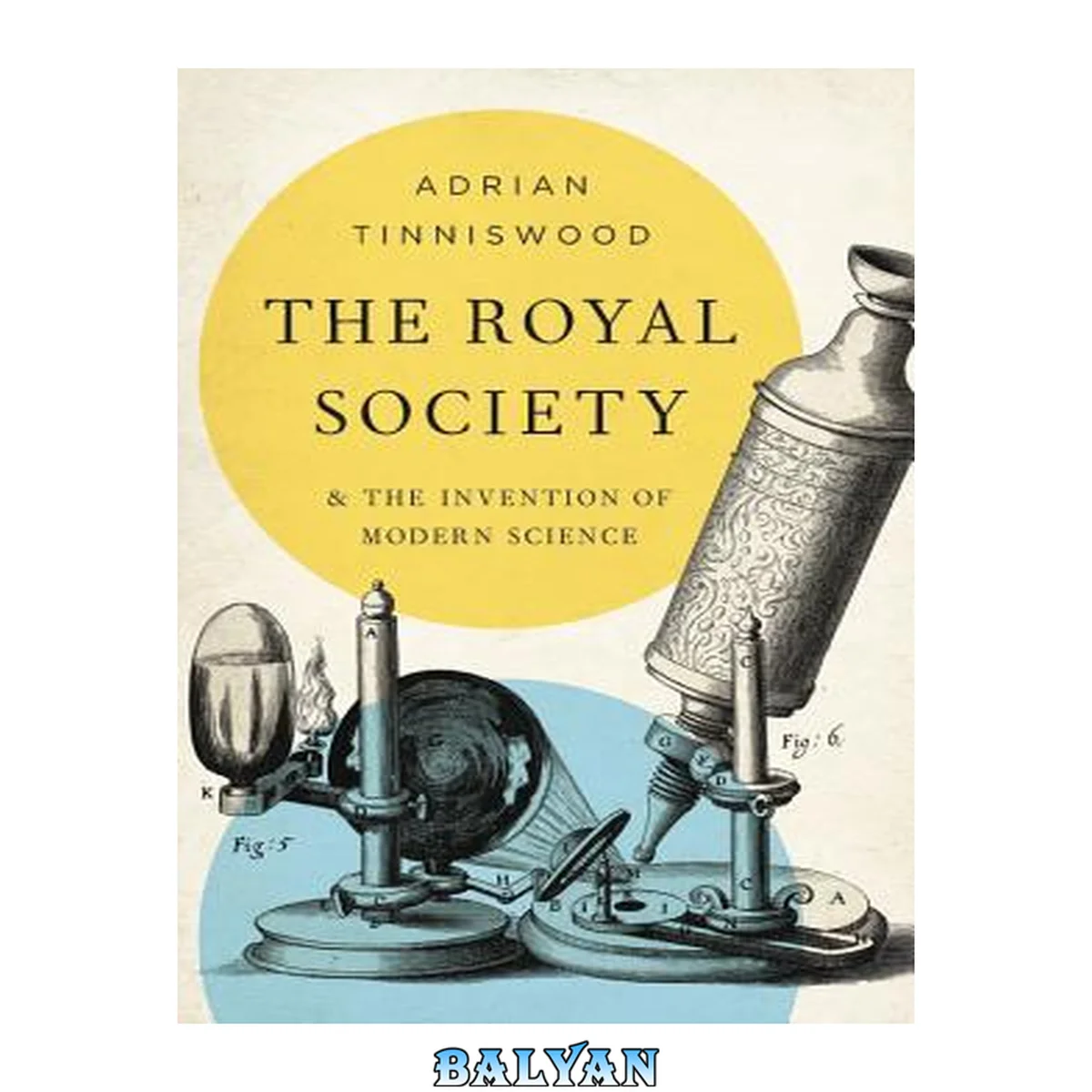
معرفی کتاب «The Royal Society : And the Invention of Modern Science» نوشتهٔ Wolfe، Gene و Adrian Tinniswood، منتشرشده توسط نشر Basic Books در سال 2019. این کتاب در فرمت epub، زبان انگلیسی ارائه شده است.
**An engaging new history of the Royal Society of London, the club that created modern scientific thought**Founded in 1660 to advance knowledge through experimentally verified facts, The Royal Society of London is now one of the preeminent scientific institutions of the world. It published the world's first science journal, and has counted scientific luminaries from Isaac Newton to Stephen Hawking among its members. However, the road to truth was often bumpy. In its early years-while bickering, hounding its members for dues, and failing to create its own museum-members also performed sheep to human blood transfusions, and experimented with unicorn horns. In his characteristically accessible and lively style, Adrian Tinniswood charts the Society's evolution from poisoning puppies to the discovery of DNA, and reminds us of the increasing relevance of its motto for the modern world:__Nullius in Verba__-Take no one's word for it. An engaging new history of the Royal Society of London, the club that created modern scientific thought Founded in 1660 to advance knowledge through experimentally verified facts, The Royal Society of London is now one of the preeminent scientific institutions of the world. It published the world's first science journal, and has counted scientific luminaries from Isaac Newton to Stephen Hawking among its members. However, the road to truth was often bumpy. In its early years-while bickering, hounding its members for dues, and failing to create its own museum-members also performed sheep to human blood transfusions, and experimented with unicorn horns. In his characteristically accessible and lively style, Adrian Tinniswood charts the Society's evolution from poisoning puppies to the discovery of DNA, and reminds us of the increasing relevance of its motto for the modern world: Nullius in Verba -Take no one's word for it. Historian Adrian Tinniswood Recounts The Founding And History Of The Royal Society, Created And Devoted To Advancing Knowledge Through Experimentation. The 8,000 Fellows Elected To The Society Since Its Founding In London In 1662 Include All Of The Scientific Leading Lights Of The Last Four Centuries, Including Isaac Newton, Charles Darwin, Tim Berners-lee, And Stephen Hawking-- Prelude -- Foundation -- Charter -- Experiment -- Philosophical Transactions -- Repositories And Laboratories -- Persons Of Great Quality -- Sticks And Stones -- Reform -- Foreign Parts -- A Brave New World -- Appendix 1: The Founders -- Appendix 2: The First Charter, July 15, 1662 -- Appendix 3: Experiments And Observations. Adrian Tinniswood. Originally Published In Great Britain In Hardcover And Ebook By Head Of Zeus In January 2019. -- Tp Verso. Includes Bibliographical References (pages 195-200) And Index. "Founded in 1660 to advance knowledge through experimentally verified facts, The Royal Society of London is now one of the preeminent scientific institutions of the world. It published the world's first science journal, and has counted scientific luminaries from Isaac Newton to Stephen Hawking among its members. However, the road to truth was often bumpy. In its early years-while bickering, hounding its members for dues, and failing to create its own museum-members also performed sheep to human blood transfusions, and experimented with unicorn horns. In his characteristically accessible and lively style, Adrian Tinniswood charts the Society's evolution from poisoning puppies to the discovery of DNA, and reminds us of the increasing relevance of its motto for the modern world: Nullius in Verba-Take no one's word for it." -- Publisher's description
دانلود کتاب The Royal Society : And the Invention of Modern Science