The Posthuman Condition: Ethics, Aesthetics and Politics of Biotechnological Challenges (Matchpoints)
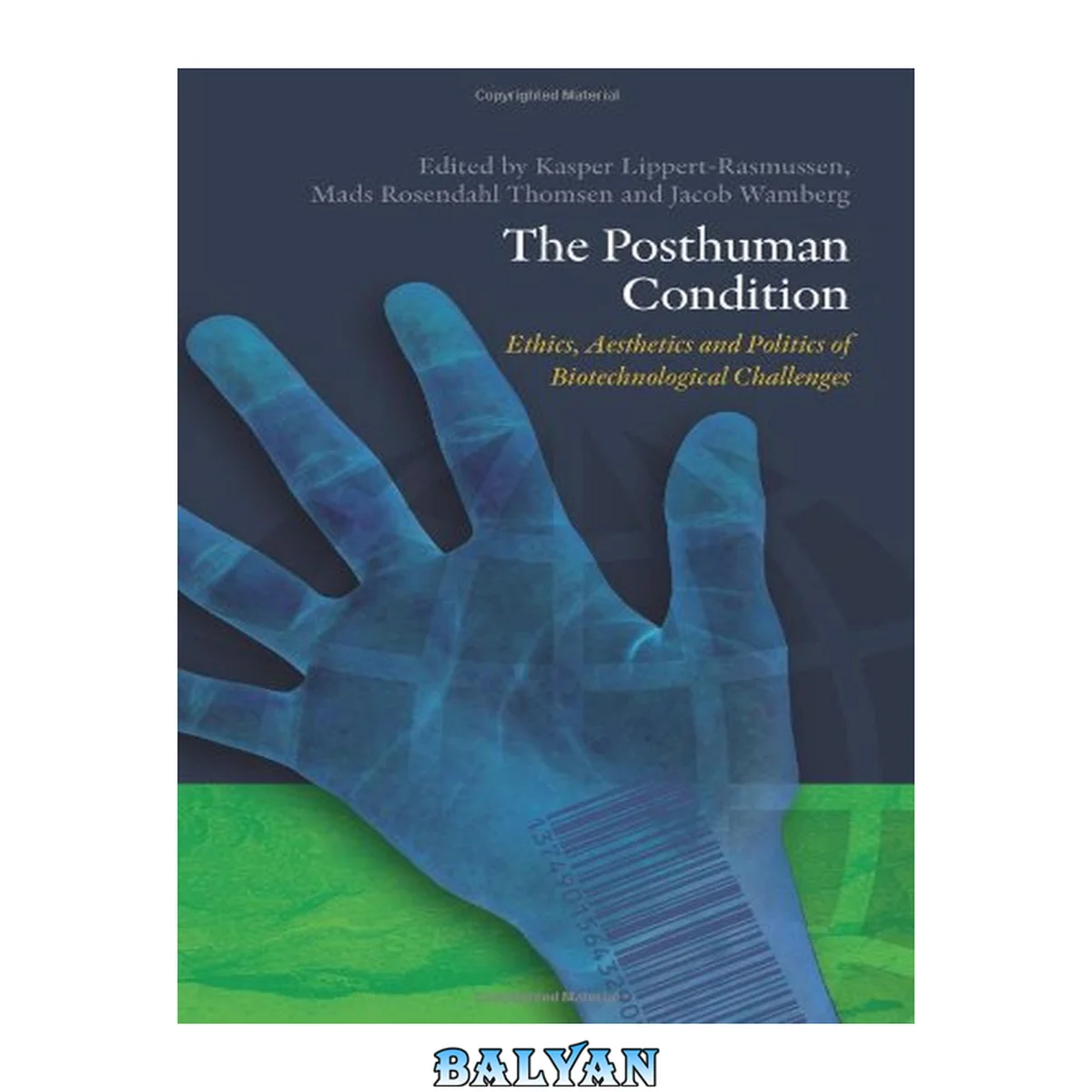
معرفی کتاب «The Posthuman Condition: Ethics, Aesthetics and Politics of Biotechnological Challenges (Matchpoints)» نوشتهٔ Kasper LippertRasmussen, Kasper Lippert-Rasmussen, Mads Rosendahl Thomsen, Jacob Wamberg, Kasper Lippert-Rasmussen, Mads Rosendahl Thomsen، منتشرشده توسط نشر Aarhus University Press در سال 2012. این کتاب در فرمت pdf، زبان انگلیسی ارائه شده است.
If biotechnology can be used to "upgrade" humans physically and mentally, should it be used at all? And, if so, to what extent? How will biotechnology affect societal cohesion? Can the development be controlled, or is this a Pandora's box that should remain closed? These are but a few of the perplex questions facing scientists as a result of the increasing ability of technology to change biology and, in turn, profoundly change human living conditions. This development has created a new posthuman horizon that will influence contemporary life and politics in a number of ways. The Posthuman Condition addresses the challenges of: - Imagining a society where the properties of humans have shifted radically - Assessing the scope of deploying technologies that are already underway - Basing decisions on an ethical foundation that does not entail a concept of human nature - Ascertaining the types of political action that can and should be taken in the face of this situation - The anthology brings together researchers from a wide range of disciplines: biotechnology, medicine, ethics, politics, and aesthetics, and among contributors are Francis Fukuyama, Julian Savulescu, Maxwell Mehlman, John Harris and Chris Hables Gray. Cover 1 Title Page 5 Colophon 6 Contents 7 Posthuman Horizons and Realities: Introduction 9 Kasper Lippert-Rasmussen, Mads Rosendahl Thomsen and Jacob Wamberg 9 The limits of knowledge and key conflicts 11 The articles in this volume 15 Exit? 20 References 20 Notes on contributors 21 part I 25 Tech nological scenarios 25 1 Cyborging the Posthuman: Participatory Evolution 27 Chris Hables Gray 27 Homo sapiens cyborg 27 Shockwave Riders 30 Cyborg Citizenship 33 References 37 Acknowledgements 39 2 How Close Are We to Being Able to Achieve the Transhumanist Vision? 40 Maxwell J. Mehlman 40 References 48 3 Genetics – It Just Got Personal 50 Lone Frank 50 Genes of behavior back in fashion 51 Embracing complexity 52 From homogeneity to diversity 56 Toward a culture of biology 58 References 61 4 The Medicine of the Future – Live Long and Prosper? 62 Søren Holm 62 What can we learn from past predictions? 62 Predicting the future of medicine – an attempt 67 Which tech nologies? 68 What conditions? 69 What functions will we enhance and how? 70 How fast will the developments be and how far will they extend? 71 Social inequality and ‘trickle down’ effects 72 References 73 part II 75 Ethical dilemmas 75 5 Post-What? (And Why Does It Matter?) 77 Sarah Chan and Joh n Harris 77 We are all post-simians – but we did not set out to be! 77 Human to posthuman: crossing the species boundary 78 Enhancement and (post)-human evolution 79 What’s so special about being human? 80 Creating posthumans 82 Posthuman values, enhancement and identity 84 Are posthuman values ‘ours’? Who are ‘we’ anyway? 85 Posthuman children 87 Our moral species 88 References 89 6 Treating Symptoms Rather Than Causes? On “Enhancement” and Social Oppression 90 Kasper Lippert-Rasmussen 90 A huge, albeit unproblematic, assumption 90 Two kinds of improvement 91 Discrimination-independent enhancements and my question 92 Double thinking about improving people’s lives 92 The goodness of lives: two further specifications 94 My issue: three dimensions 95 Four non-issues: examples, genetic determinism, wrongness of discrimination, and transhumanism 96 Objection 1: Discrimination against existing people 97 Objection 2: To deselect is to discriminate 98 Objection 3: We should prevent the discriminatory acts of others 100 Objection 4: A concern for our non-discriminatory character 101 Conclusion 103 References 103 7 A Liberal View on Liberal Enhancement 105 Lene Bomann-Larsen 105 Introduction 105 The Argument from Extension 106 Beneficence 108 Just cause for complaint 111 Concluding remarks 115 References 116 Part III 117 Artistic responses 117 8 Three Ways of Change: The New Human in Literature 119 Mads Rosendahl Thomsen 119 Mixed desires 119 Mary Shelley’s last man and new man 121 The human being according to systems theory 122 Three kinds of human change 123 Virginia Woolf’s new mind and long memory 124 The New Man as a political project 126 Cloning and cult 127 1960s v. 2010s: What happened to the future? 128 References 129 9 Artistic Consequences of Tech nology Insinuating Itself into the Human Body 130 Gert Balling 130 Photography and computer manipulation 131 Storytelling systems and man-machine metaphors 131 The cyborg 134 Burson and Cottingham and the digital merging of man and machine 135 Stelarc and the merge of man and machine 139 Outro 141 References 141 10 Dehumanizing Danto and Fukuyama: Towards a Post-Hegelian Role for Art in Evolution 143 Jacob Wamberg 143 Introduction 143 The Hegelian horizon 144 Introducing the posthuman in evolution 149 The avant-gardes and nature’s subconscious 152 References 155 Part IV 157 Political possibilities 157 11 Agency or Inevitability: Will Human Beings Control Their Tech nological Future? 159 Francis Fukuyama 159 What’s Wrong with Human Redesign? 159 Utilitarian issues 160 The failure to understand complexity 162 Human nature and human rights 163 Governing Tech nology 165 The general problem of regulation 167 International Considerations 168 Conclusions 170 References 171 12 Biological Egalitarianism: A Defence 172 Torbjörn Tännsjö 172 Introduction 172 Some Distinctions 173 Human nature and moral theory 175 Fukuyama’s basic moral outlook 176 Moral rights and the argument from nastiness 178 The utilitarian argument 180 Conclusion 185 References 185 13 Enhancing Equality 186 Julian Savulescu 186 The Basic Bioconservative Worry: Inequality 186 What is Justice? 189 The Profound Consequences of Natural Biopsychological Inequality 190 Well-Being 190 Cognitive Inequality 190 Natural Biopsychological Inequality and Moral Behaviour 195 Biopsychological Inequality and Autonomy 199 Inequality and Love 201 Radical Possibilities 202 Conclusion 203 References 204 Index 207 If Biotechnology Can Be Used To Upgrade Humans Physically And Mentally, Should It Be Done? And If So, To What Extent? How Will Biotechnology Affect Societal Cohesion, And Can The Development Be Controlled? Or Is This A Pandora's Box That Should Remain Closed? These Are Just A Few Of The Many Questions That Arise As A Result Of The Increasing Ability Of Technology To Change Biology And, Eventually, Transform Human Living Conditions. This Development Has Created A New Horizon Of A Posthuman Future That Will Influence Contemporary Life And Politics In A Number Of Ways. The Book Gathers Researchers Within The Fields Of Biotechnology, Medicine, Ethics, Politics, And Aesthetics. Among The Contributors Are Francis Fukuyama, Julian Savulescu, Maxwell Mehlman, Lone Frank And Chris Hables Gray. Edited By Kasper Lippert-rasmussen, Mads Rosendahl Thomsen, And Jacob Wamberg. Includes Bibliographical References And Index. "If biotechnology can be used to upgrade' humans physically and mentally, should it be done? And if so, to what extent? How will biotechnology affect societal cohesion, and can the development be controlled? Or is this a Pandora's box that should remain closed? These are just a few of the many questions that arise as a result of the increasing ability of technology to change biology and, eventually, transform human living conditions. This development has created a new horizon of a posthuman future that will influence contemporary life and politics in a number of ways. The book gathers researchers within the fields of biotechnology, medicine, ethics, politics, and aesthetics. Among the contributors are Francis Fukuyama, Julian Savulescu, Maxwell Mehlman, Lone Frank and Chris Hables Gray."--Provided by publisher Part I - Technological Scenarios Cyborging the Posthuman: Participatory Evolution How Close Are We to Being Able to Achieve the Transhumanist Vision? Genetics - It Just Got Personal The Medicine of the Future - Live Long and Prosper? Part II - Ethical Dilemmas Post-What? (And Why Does it Matter?) Treating Symptoms Rather Than Causes? On "Enhancement" and Social Oppression A Liberal View on Liberal Enhancement Part III - Artistic Responses Three Ways of Change: The New Human in Literature Artistic Consequenses of Technology Insinuating Itself into the Human Body Dehumanizing Danto and Fukuyama: Towards a Post-Hegelian Role for Art in Evolution Part IV - Political Possibilities Agency or Inevitabllity: Will Human Beings Control Their Technological Future? Biological Egalitarianism: A Defense Enhancing Equality
دانلود کتاب The Posthuman Condition: Ethics, Aesthetics and Politics of Biotechnological Challenges (Matchpoints)