The Peoples of Middle-earth (The History of Middle-Earth #12)
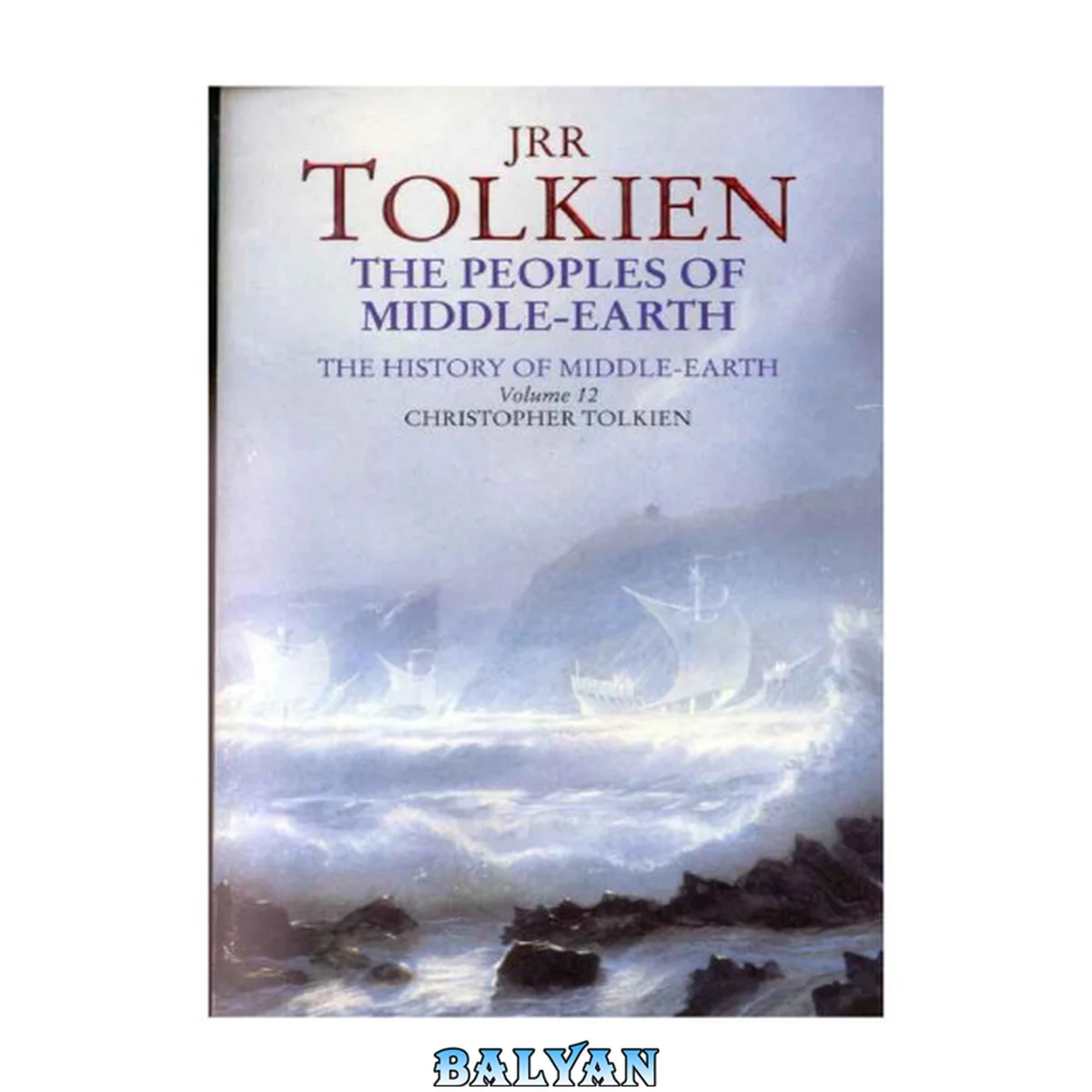
معرفی کتاب «The Peoples of Middle-earth (The History of Middle-Earth #12)» نوشتهٔ Tolkien, J R R، منتشرشده توسط نشر HarperCollins Publishers Ltd در سال 2010. این کتاب در فرمت epub، زبان انگلیسی ارائه شده است.
When J.R.R. Tolkien laid aside The Silmarillion in 1937 the extension of the originall 'mythology' into later Ages of the world had scarcely begun. It was in the Appendices to The Lord of the Rings that there emerged a comprehensive historical structure and chronology of the Second and Third Ages, embracing all the diverse strands that came together in the War of the Ring. The difficulty that he found in providing these Appendices, leading to the delay in the publication of The Return of the King, is well known, but in The Peoples of Middle-earth Christopher Tolkien shows that early forms of these works already existed years before, in essays and records differing greatly from the published forms. He traces the evolution of the Calendars, the Hobbit genealogies, the Westron language or Common Speach (from which many words and names are recorded that were afterwards lost), and the chronological structure of the later Ages.Other writings by J.R.R. Tolkien are included in this final volume of The History of MIddle-earth, chiefly deriving from his last years, when new insights and new constructions still freely arose as he pondered the history that he had created. This book concludes with two soon-abandoned stories, both unique in the setting of time and place: The New Shadow in Gondor of the Fourth Age, and the tale of Tal-elmar, in which the coming of the dreaded Númenórean ships is seen through the eyes of men of Middle-earth in the Dark Years. When J.R.R. Tolkien laid aside The Silmarillion in 1937 the extension of the originall 'mythology' into later Ages of the world had scarcely begun. It was in the Appendices to The Lord of the Rings that there emerged a comprehensive historical structure and chronology of the Second and Third Ages, embracing all the diverse strands that came together in the War of the Ring. The difficulty that he found in providing these Appendices, leading to the delay in the publication of The Return of the King , is well known, but in The Peoples of Middle-earth Christopher Tolkien shows that early forms of these works already existed years before, in essays and records differing greatly from the published forms. He traces the evolution of the Calendars, the Hobbit genealogies, the Westron language or Common Speach (from which many words and names are recorded that were afterwards lost), and the chronological structure of the later Ages. Other writings by J.R.R. Tolkien are included in this final volume of The History of MIddle-earth , chiefly deriving from his last years, when new insights and new constructions still freely arose as he pondered the history that he had created. This book concludes with two soon-abandoned stories, both unique in the setting of time and place: The New Shadow in Gondor of the Fourth Age, and the tale of Tal-elmar , in which the coming of the dreaded Nmenrean ships is seen through the eyes of men of Middle-earth in the Dark Years. When J.R.R. Tolkien laid aside The Silmarillion in 1937 the extension of the original 'mythology' into later Ages of the world had scarcely begun. It was in the Appendices to The Lord of the Rings that there emerged a comprehensive historical structure and chronology of the Second and Third Ages, embracing all the diverse strands that came together in the War of the Ring. The difficulty that he found in providing these Appendices, leading to delay in the publication of The Return of the King, is well known; but in The Peoples of Middle-earth Christopher Tolkien shows that early forms of these works already existed years before, in essays and records differing greatly from the published forms. He traces the evolution of the Calendars, the Hobbit genealogies, the Westron language or Common Speech (from which many words and names are recorded that were afterwards lost), and the chronological structure of the later Ages. Other writings by J.R.R. Tolkien are included in this final volume of The History of Middle-earth, chiefly deriving from his last years, when new insights and new constructions still freely arose as he pondered the history that he had created. The book concludes with two soon-abandoned stories, both unique in the setting of time and place: The New Shadow in Gondor of the Fourth Age, and the tale of Tal-Elmar, in which the coming of the dreaded Numenorean ships is seen through the eyes of men of Middle-earth in the Dark Years The concluding volume of The History of Middle-earth series, which examines the Appendices to The Lord of the Rings. Complete integrated indices of History of Middle-earth volumes to complement new series.
دانلود کتاب The Peoples of Middle-earth (The History of Middle-Earth #12)