خود پارادوکسی: به سوی درک طبیعت متناقض ما
The Paradoxical Self: Toward An Understanding Of Our Contradictory Nature
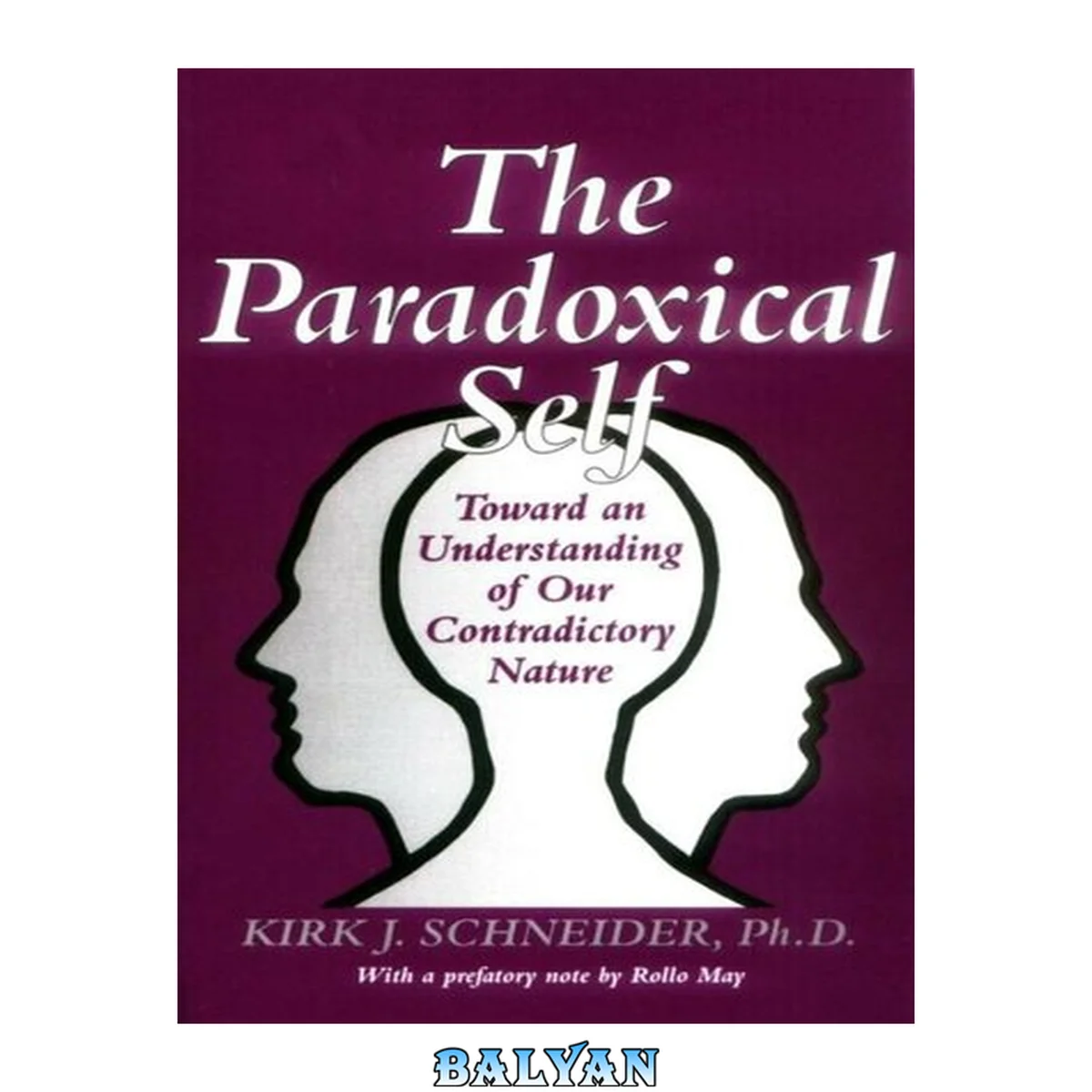
معرفی کتاب «خود پارادوکسی: به سوی درک طبیعت متناقض ما» (با عنوان لاتین The Paradoxical Self: Toward An Understanding Of Our Contradictory Nature) نوشتهٔ Rick Riordan و Kirk J. Schneider, Kirk, J. Schneider، منتشرشده توسط نشر Amazon در سال 2020. این کتاب در فرمت epub، زبان انگلیسی ارائه شده است.
as We Enter The Threshold Of The New Millennium, Increased Dangers Face Us On The Foreign And Domestic Fronts: Terrorism, Rising Substance Abuse, Youth Violence, Ethnic Hatreds, And Religious Fundamentalism. On The Individual Level, People Are Experiencing Rising Levels Of Isolation, Technological Depersonalization, And Existential Emptiness. As A Result, They Feel Angry, Depressed, And Directionless. Kirk J. Schneider, A Leading Existential Psychologist, Presents A Model Of Breathtaking Scope To Redress These Predicaments. Drawing On The Vast Literature Of Existential Psychology, Dr. Schneider Develops What He Calls The Paradox Principle, Based On The Assumptions That Human Experience Spans A Continuum From Constriction To Expansion, The Former Characterized By The Capacity To Yield And Focus, The Latter By The Capacity To Assert And Incorporate, And That People Become Dysfunctional, Polarized, Or Excessive When They Fear Either Of These Capacities. After Applying His Model To A Variety Of Dysfunctional Syndromes, Dr. Schneider Goes On To Depict Its Relevance For Psychological Health. He Ties His Model Directly To Subjects' Personal Histories And Shows Its Pertinence To Creativity, Physical Health, Religious And Social Organizations, Child Rearing, And Psychology. booknews the Author Is A Psychologist With The Center For Existential Therapy In San Francisco. He Writes For A General Audience. Annotation C. Book News, Inc., Portland, Or (booknews.com) Why do so many of us develop extremist psychological patterns, from withdrawal to aggression, friendship to enmity? Why do people vicariously live out their extremes through the actions of others? What can we do to transform these extremes in order to live vital and creative lives?Drawing on the vast literature of existential psychology, Dr. Schneider develops what he calls the paradox principle, based on the assumptions that human experience spans a continuum from constriction to expansion. The former is characterized by the capacity to yield and focus, the latter by the capacity to assert and incorporate. People become dysfunctional, polarized, or excessive, says Schneider, when they fear either of these capacities.After applying his model to a variety of dysfunctional syndromes, Schneider goes on to depict its relevance for psychological health. He ties his model directly to subjects' personal histories and shows its pertinence to creativity, physical health, religious and social organizations, child rearing, and psychology. Drawing on the literature of existential psychology, this title develops the paradox principle, based on the assumptions that human experience spans a continuum from constriction to expansion. The paradox principle embraces the following basic assumptions: (1) The human psyche is a constrictive/expansive continuum, only degrees of which are conscious.
دانلود کتاب خود پارادوکسی: به سوی درک طبیعت متناقض ما