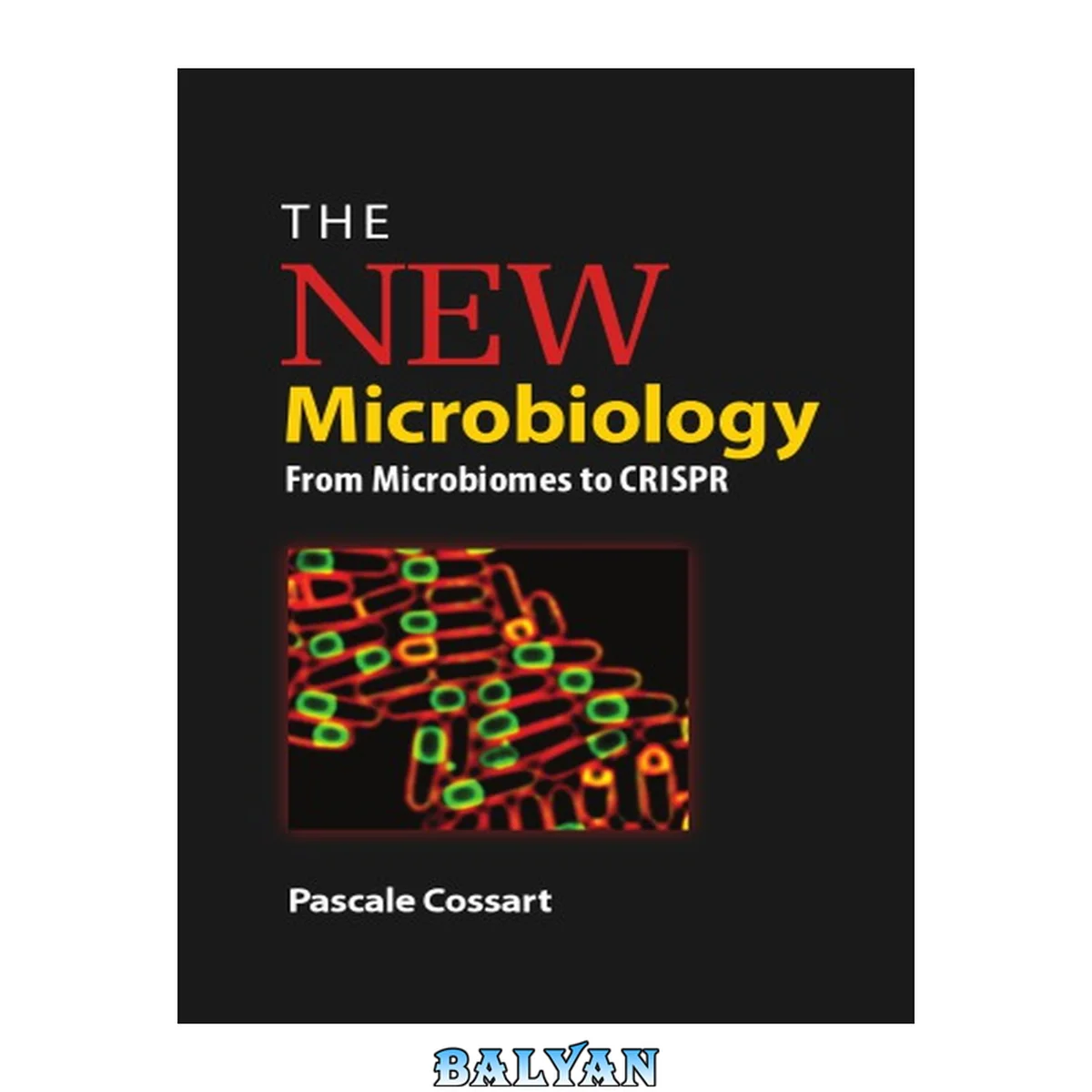
معرفی کتاب «میکروبیولوژی نوین: از میکروبیومها تا کریسپر (کتاب ۵۲ انتشارات ASM)» (با عنوان لاتین The New Microbiology: From Microbiomes to CRISPR (ASM Books Book 52)) نوشتهٔ Pascale Cossart، منتشرشده توسط نشر ASM Press در سال 2018. این کتاب در فرمت pdf، زبان انگلیسی ارائه شده است.
Microbiology has undergone radical changes over the past few decades, ushering in an exciting new era in science. In The New Microbiology , Pascale Cossart tells a splendid story about the revolution in microbiology, especially in bacteriology. This story has wide-ranging implications for human health and medicine, agriculture, environmental science, and our understanding of evolution. The revolution results from the powerful tools of molecular and cellular biology, genomics, and bioinformatics, which have yielded amazing discoveries, from entire genome sequences to video of bacteria invading host cells. This book is for both scientists and especially nonscientists who would like to learn more about the extraordinary world of bacteria. Dr. Cossart's overview of the field of microbiology research, from infectious disease history to the ongoing scientific revolution resulting from CRISPR technologies, is presented in four parts. New concepts in microbiology introduces the world of bacteria and some recent discoveries about how they live, such as the role of regulatory RNAs including riboswitches, the CRISPR defense system, and resistance to antibiotics. Sociomicrobiology: the social lives of bacteria helps us see the new paradigm by which scientists view bacteria as highly social creatures that communicate in many ways, for example in the assemblies that reside in our intestine or in the environment. The biology of infections reviews some of history's worst epidemics and describes current and emerging infectious diseases, the organisms that cause them, and how they produce an infection. Bacteria as tools introduces us to molecules derived from microbes that scientists have harnessed in the service of research and medicine, including the CRISPR/Cas9 genome-editing technology. The New Microbiology takes us on a journey through a remarkable revolution in science that is occurring here and now. Contents 6 Preface 8 Acknowledgments 13 About the Author 14 Part I. New Concepts in Microbiology 16 Chapter 1. Bacteria: Many Friends, Few Enemies 18 Chapter 2. Bacteria: Highly Organized Unicellular Organisms 24 Chapter 3. The RNA Revolution 30 Chapter 4. From the CRISPR Defense System to the CRISPR/Cas9 Method for Modifying Genomes 38 Chapter 5. Antibiotic Resistance 44 The discovery of antibiotics 44 Sulfonamides enter the game 45 Mode of action of antibiotics 46 Antibiotics in animals 47 From the first cases of resistance to a global panic 48 Potential solutions and hopes 49 Phage therapy 51 Bdellovibrio: why not? 52 Part II. Sociomicrobiology: The Social Lives of Bacteria 54 Chapter 6. Biofilms: When Bacteria Gather Together 56 Chapter 7. How Bacteria Communicate: Chemical Language and Quorum Sensing 60 Chapter 8. When Bacteria Kill Each Other 64 Contact-dependent inhibition of growth 66 Type VI secretion: attack and counterattack 66 Chapter 9. Human-Animal Symbioses: The Microbiotas 70 The paradigm of Euprymna scolopes and Vibrio fischeri 71 The intestinal microbiota 72 Products of the intestinal microbiota 73 Evolution of the intestinal microbiota over a lifetime 73 Obesity and metabolism 75 Microbiota and the immune system 76 Microbiota, pathogenic bacteria, and dysbiosis 77 Dysbiosis and fecal transplants 77 Microbiota and the human diet 78 Microbiota and circadian rhythms 78 Skin microbiota 79 Vaginal microbiota 80 Intestinal microbiota of termites 80 Composition of microbiotas: signaling molecules and quorum sensing 81 Longevity and microbiota 81 Chapter 10. Bacterium-Plant Symbioses: Microbiotas of Plants 82 Microbes and roots: the underground 83 Nitrogen fixation: an example of facultative symbiosis 84 Bacterial communities and the phyllosphere 84 Bacteria and plant growth 86 Chapter 11. Endosymbiotic Relationships 88 A close-knit couple: the pea aphid and Buchnera bacterium 89 Other insects and other symbioses 90 When bacteria control fertility 91 Bacteria and worms 91 Bacteria in cell nuclei and mitochondria 93 Part III. The Biology of Infections 94 Chapter 12. Pathogenic Bacteria, Major Scourges, and New Diseases 96 The great scourges of humanity 97 Plague and other yersinioses 97 Leprosy and Mycobacterium leprae 98 Tuberculosis and Mycobacterium tuberculosis 99 Childhood diseases 100 Pertussis and Bordetella pertussis 100 Diphtheria and Corynebacterium diphtheriae 101 Tetanus and Clostridium tetani 101 Streptococci 102 Haemophilus influenzae 103 Meningococci and meningitis 103 Listeriosis and Listeria 104 Intestinal infections 106 Cholera and Vibrio cholerae 106 Salmonellae: gastroenteritis and typhoid fever 106 Escherichia coli and other coliform bacilli 107 Health care-related infections 109 Enterococci 109 Staphylococci 109 Pseudomonas: burns and cystic fibrosis 110 Klebsiella species 110 Sexually transmitted infections 111 Gonorrhea and Neisseria gonorrhoeae 111 Chlamydia trachomatis 111 Diseases of armies 111 Agents of bioterrorism 112 Bacillus anthracis 112 New diseases 113 Helicobacter pylori 113 Borrelia burgdorferi and Lyme disease 114 Legionella 114 Clostridium difficile 114 Diseases prevalent in developing countries 115 Clostridium botulinum 115 Shigellosis and diarrhea in the tropics 116 Chapter 13. The Multiple Strategies of Pathogenic Bacteria 118 Contributions of molecular and cellular biology 118 Bacteria that adhere to cells but do not enter them 119 Invasive bacteria 122 The benefits of genomics 124 Chapter 14. Pathogenic Bacteria in Insects 126 Chapter 15. Plants and Their Pathogenic Bacteria 130 Agrobacterium tumefaciens and genetically modified organisms 131 Phytoplasmas: pathogenic bacteria in plants and insects 132 Chapter 16. New Visions in Infection Defense 134 Genetic theory of infectious diseases 134 Health security in the age of globalizing risks 135 Part IV. Bacteria as Tools 138 Chapter 17. Bacteria as Tools for Research 140 Restriction enzymes 140 PCR 142 Bacteria and optogenetics 143 The CRISPR/Cas9 revolution 144 Using pathogenic bacteria to understand eukaryotic cells 145 The ActA protein and cellular motility 146 Bacterial toxins 147 Nucleomodulins 147 Chapter 18. Bacteria: Old and New Health Tools 150 Bacteria in food 150 Probiotics 151 Fecal transplants 153 The intestinal microbiota of insect vectors 153 CRISPR/Cas9 and gene therapy 154 Synthetic biology 154 Chapter 19. Bacteria as Environmental Tools 158 Bacillus thuringiensis as a biopesticide 158 Bacillus subtilis to protect plant roots 159 Wolbachia and biocontrol of mosquito-borne infectious diseases 160 Replacing wild mosquitoes with Wolbachia carriers 160 Eliminating carrier mosquitoes 160 Chapter 20. Conclusion 162 Appendix: Major Figures in Microbiology 166 Glossary 170 Bibliography 174 Photo Credits 188 Index 190 Contents ......Page 6 Preface ......Page 8 Acknowledgments ......Page 13 About the Author ......Page 14 Part I. New Concepts in Microbiology......Page 16 Chapter 1. Bacteria: Many Friends, Few Enemies......Page 18 Chapter 2. Bacteria: Highly Organized Unicellular Organisms......Page 24 Chapter 3. The RNA Revolution......Page 30 Chapter 4. From the CRISPR Defense System to the CRISPR/Cas9 Method for Modifying Genomes......Page 38 The discovery of antibiotics......Page 44 Sulfonamides enter the game......Page 45 Mode of action of antibiotics......Page 46 Antibiotics in animals......Page 47 From the first cases of resistance to a global panic......Page 48 Potential solutions and hopes......Page 49 Phage therapy......Page 51 Bdellovibrio: why not?......Page 52 Part II. Sociomicrobiology: The Social Lives of Bacteria......Page 54 Chapter 6. Biofilms: When Bacteria Gather Together......Page 56 Chapter 7. How Bacteria Communicate: Chemical Language and Quorum Sensing......Page 60 Chapter 8. When Bacteria Kill Each Other......Page 64 Type VI secretion: attack and counterattack......Page 66 Chapter 9. Human-Animal Symbioses: The Microbiotas......Page 70 The paradigm of Euprymna scolopes and Vibrio fischeri......Page 71 The intestinal microbiota......Page 72 Evolution of the intestinal microbiota over a lifetime......Page 73 Obesity and metabolism......Page 75 Microbiota and the immune system......Page 76 Dysbiosis and fecal transplants......Page 77 Microbiota and circadian rhythms......Page 78 Skin microbiota......Page 79 Intestinal microbiota of termites......Page 80 Longevity and microbiota......Page 81 Chapter 10. Bacterium-Plant Symbioses: Microbiotas of Plants......Page 82 Microbes and roots: the underground......Page 83 Bacterial communities and the phyllosphere......Page 84 Bacteria and plant growth......Page 86 Chapter 11. Endosymbiotic Relationships......Page 88 A close-knit couple: the pea aphid and Buchnera bacterium......Page 89 Other insects and other symbioses......Page 90 Bacteria and worms......Page 91 Bacteria in cell nuclei and mitochondria......Page 93 Part III. The Biology of Infections......Page 94 Chapter 12. Pathogenic Bacteria, Major Scourges, and New Diseases......Page 96 Plague and other yersinioses......Page 97 Leprosy and Mycobacterium leprae......Page 98 Tuberculosis and Mycobacterium tuberculosis......Page 99 Pertussis and Bordetella pertussis......Page 100 Tetanus and Clostridium tetani......Page 101 Streptococci......Page 102 Meningococci and meningitis......Page 103 Listeriosis and Listeria......Page 104 Salmonellae: gastroenteritis and typhoid fever......Page 106 Escherichia coli and other coliform bacilli......Page 107 Staphylococci......Page 109 Klebsiella species......Page 110 Diseases of armies......Page 111 Bacillus anthracis......Page 112 Helicobacter pylori......Page 113 Clostridium difficile......Page 114 Clostridium botulinum......Page 115 Shigellosis and diarrhea in the tropics......Page 116 Contributions of molecular and cellular biology......Page 118 Bacteria that adhere to cells but do not enter them......Page 119 Invasive bacteria......Page 122 The benefits of genomics......Page 124 Chapter 14. Pathogenic Bacteria in Insects......Page 126 Chapter 15. Plants and Their Pathogenic Bacteria......Page 130 Agrobacterium tumefaciens and genetically modified organisms......Page 131 Phytoplasmas: pathogenic bacteria in plants and insects......Page 132 Genetic theory of infectious diseases......Page 134 Health security in the age of globalizing risks......Page 135 Part IV. Bacteria as Tools......Page 138 Restriction enzymes......Page 140 PCR......Page 142 Bacteria and optogenetics......Page 143 The CRISPR/Cas9 revolution......Page 144 Using pathogenic bacteria to understand eukaryotic cells......Page 145 The ActA protein and cellular motility......Page 146 Nucleomodulins......Page 147 Bacteria in food......Page 150 Probiotics......Page 151 The intestinal microbiota of insect vectors......Page 153 Synthetic biology......Page 154 Bacillus thuringiensis as a biopesticide......Page 158 Bacillus subtilis to protect plant roots......Page 159 Eliminating carrier mosquitoes......Page 160 Chapter 20. Conclusion......Page 162 Appendix: Major Figures in Microbiology ......Page 166 Glossary ......Page 170 Bibliography ......Page 174 Photo Credits......Page 188 Index ......Page 190
Microbiology has undergone radical changes over the past few decades, ushering in an exciting new era in science. In The New Microbiology, Pascale Cossart tells a splendid story about the revolution in microbiology, especially in bacteriology. This story has wide-ranging implications for human health and medicine, agriculture, environmental science, and our understanding of evolution. The revolution results from the powerful tools of molecular and cellular biology, genomics, and bioinformatics, which have yielded amazing discoveries, from entire genome sequences to video of bacteria invading host cells. This book is for both scientists and especially nonscientists who would like to learn more about the extraordinary world of bacteria.
Dr. Cossart's overview of the field of microbiology research, from infectious disease history to the ongoing scientific revolution resulting from CRISPR technologies, is presented in four parts.
- New concepts in microbiology introduces the world of bacteria and some recent discoveries about how they live, such as the role of regulatory RNAs including riboswitches, the CRISPR defense system, and resistance to antibiotics.
- Sociomicrobiology: the social lives of bacteria helps us see the new paradigm by which scientists view bacteria as highly social creatures that communicate in many ways, for example in the assemblies that reside in our intestine or in the environment.
- The biology of infections reviews some of history's worst epidemics and describes current and emerging infectious diseases, the organisms that cause them, and how they produce an infection.
- Bacteria as tools introduces us to molecules derived from microbes that scientists have harnessed in the service of research and medicine, including the CRISPR/Cas9 genome-editing technology.
The New Microbiology takes us on a journey through a remarkable revolution in science that is occurring here and now.
"Microbiology has undergone radical changes over the past few decades and ushered in an exciting new era in science. Microbes, specifically bacteria, are incredibly diverse: some are associated with disease and many others are essential for health. Bacteria are highly complex life forms able to communicate with each other and form mutually beneficial relationships with organisms they colonize. In plants, humans, and other animals, communities of microbes form biofilms and microbiota that use incredibly sophisticated strategies to influence their environment. The study of bacterial immune systems has led to a revolution: the development of the CRISPR/Cas9 system, a precise tool for editing DNA whose usefulness we are just beginning to imagine. Bacteria in both health and disease are at the forefront of global challenges we face today. They evolve to resist the antibiotics used against them, but they can also be used to modify mosquitoes that serve as carriers of diseases like malaria. As we learn about the complex and vitally important intestinal microbiome, it unlocks secrets to good health and potential treatments for problems such as obesity"--Provided by publisher