The Myth of the Strong Leader : Political Leadership in the Modern Age
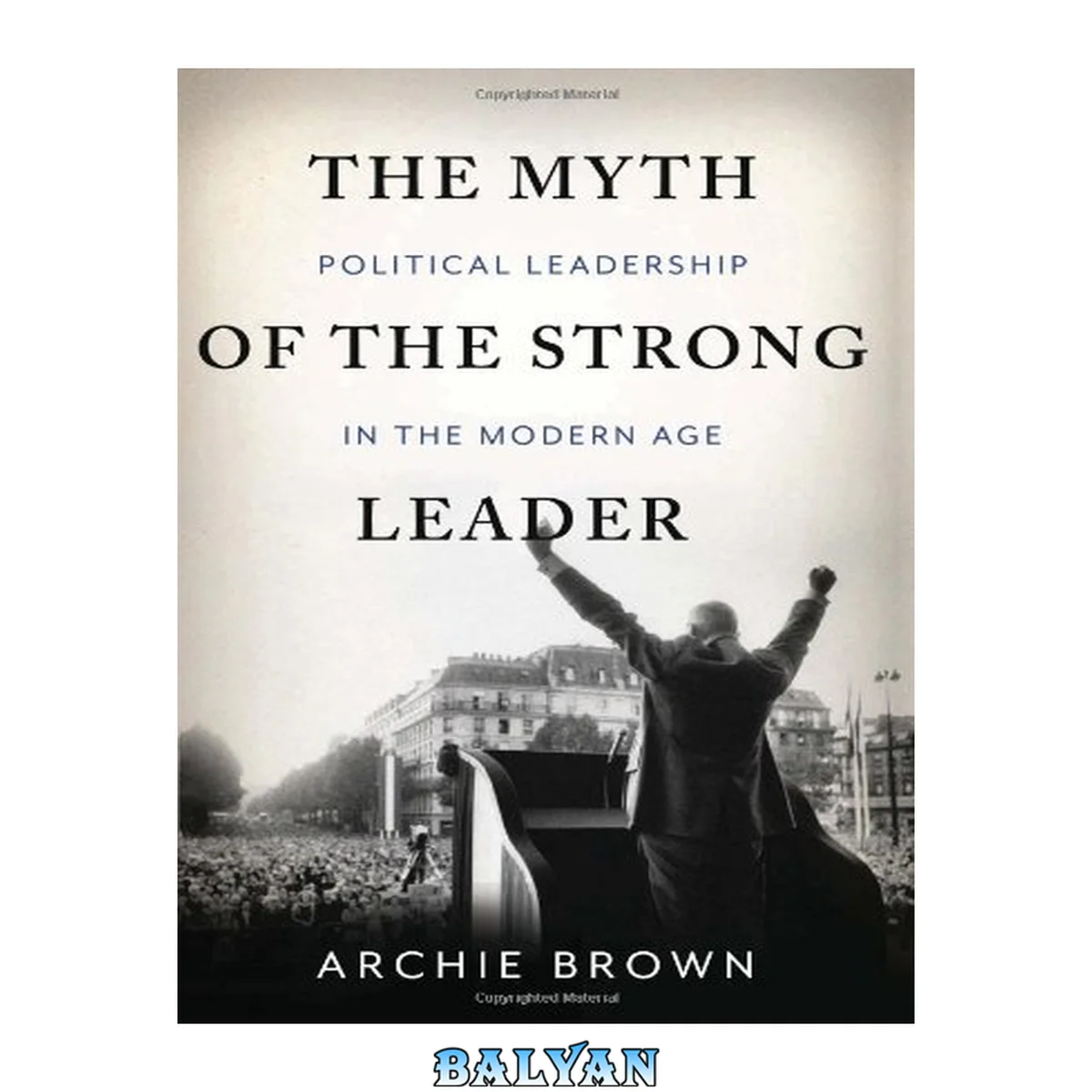
معرفی کتاب «The Myth of the Strong Leader : Political Leadership in the Modern Age» نوشتهٔ 曹雪芹، (清)曹雪芹撰، 中国艺术研究院红楼梦研究所، 苏联科学院东方学研究所列宁格勒分所编定، 苏联科学院، Su lian ke xue yuan dong fang xue yan jiu suo، 中国艺术研究院 و Archie Brown، منتشرشده توسط نشر Basic Civitas Books در سال 2014. این کتاب در فرمت epub، زبان انگلیسی ارائه شده است.
All too frequently, leadership is reduced to a simple dichotomy: the strong versus the weak. Yet, there are myriad ways to exercise effective political leadershipas well as different ways to fail. We blame our leaders for economic downfalls and praise them for vital social reforms, but rarely do we question what makes some leaders successful while others falter. In this magisterial and wide-ranging survey of political leadership over the past hundred years, renowned Oxford politics professor Archie Brown challenges the widespread belief that strong leaders meaning those who dominate their colleagues and the policy-making process are the most successful and admirable.In reality, only a minority of political leaders will truly make a lasting difference. Though we tend to dismiss more collegial styles of leadership as weak, it is often the most cooperative leaders who have the greatest impact. Drawing on extensive research and decades of political analysis and experience, Brown illuminates the achievements, failures and foibles of a broad array of twentieth century politicians. Whether speaking of __redefining__ leaders like Franklin Delano Roosevelt, Lyndon Johnson, and Margaret Thatcher, who expanded the limits of what was politically possible during their time in power, or the even rarer __transformational__ leaders who played a decisive role in bringing about systemic change Charles de Gaulle, Mikhail Gorbachev and Nelson Mandela, among them Brown challenges our commonly held beliefs about political efficacy and strength.Overturning many of our assumptions about the twentieth century’s most important figures, Brown’s conclusions are both original and enlightening. __The Myth of the Strong Leader__ compels us to reassess the leaders who have shaped our world and to reconsider how we should choose and evaluate those who will lead us into the future. From one of the world's preeminent political historians, a magisterial study of political leadership around the world from the advent of parliamentary democracy to the age of Obama. All too frequently, leadership is reduced to a simple dichotomy: the strong versus the weak. Yet, there are myriad ways to exercise effective political leadership — as well as different ways to fail. We blame our leaders for economic downfalls and praise them for vital social reforms, but rarely do we question what makes some leaders successful while others falter. In this magisterial and wide-ranging survey of political leadership over the past hundred years, renowned Oxford politics professor Archie Brown challenges the widespread belief that strong leaders — meaning those who dominate their colleagues and the policy-making process — are the most successful and admirable. In reality, only a minority of political leaders will truly make a lasting difference. Though we tend to dismiss more collegial styles of leadership as weak, it is often the most cooperative leaders who have the greatest impact. Drawing on extensive research and decades of political analysis and experience, Brown illuminates the achievements, failures and foibles of a broad array of twentieth century politicians. Whether speaking of redefining leaders like Franklin Delano Roosevelt, Lyndon Johnson, and Margaret Thatcher, who expanded the limits of what was politically possible during their time in power, or the even rarer transformational leaders who played a decisive role in bringing about systemic change — Charles de Gaulle, Mikhail Gorbachev and Nelson Mandela, among them — Brown challenges our commonly held beliefs about political efficacy and strength. Overturning many of our assumptions about the twentieth century's most important figures, Brown's conclusions are both original and enlightening. The Myth of the Strong Leader compels us to reassess the leaders who have shaped our world - and to reconsider how we should choose and evaluate those who will lead us into the future. In this magisterial and wide-ranging survey of political leadership over the past hundred years, Archie Brown challenges the widespread belief that strong leaders - those who dominate their colleagues and the policy-making process - are the most successful and admirable. Within democracies a collegial style of leadership is too often characterized as weakness and its advantages overlooked. Even in authoritarian regimes, a more collective leadership is a lesser evil compared with personal dictatorship where cultivation of the myth of the strong leader is often a prelude to oppression and carnage. 'Strong leaders' in democratic countries can do less harm, but here too the idea that one leader knows best and is entitled to take the big decisions is dangerous, even though overweening leaders in democracies are seldom as strong or independent as they purport to be. In reality, only a minority of political leaders make a big difference, by challenging assumptions about the politically possible or setting in motion systemic change. Yet in a democracy that is rare. It is especially when enlightened leaders acquire power in an authoritarian system that the opportunity for radical transformation occurs. All Too Frequently, Leadership Is Reduced To A Simple Dichotomy: The Strong Versus The Weak. Yet, There Are Myriad Ways To Exercise Effective Political Leadership -- As Well As Different Ways To Fail. We Blame Our Leaders For Economic Downfalls And Praise Them For Vital Social Reforms, But Rarely Do We Question What Makes Some Leaders Successful While Others Falter. In This Magisterial And Wide-ranging Survey Of Political Leadership Over The Past Hundred Years, Renowned Oxford Politics Professor Archie Brown Challenges The Widespread Belief That Strong Leaders Meaning Those Who Dominate Their Colleagues And The Policy-making Process Are The Most Successful And Admirable.--book Jacket. Putting Leaders In Context -- Democratic Leadership: Myths, Powers, Styles -- Redefining Leadership -- Transformational Political Leadership -- Revolutions And Revolutionary Leadership -- Totalitarianism And Authoritarian Leadership -- Foreign Policy Illusions Of Strong Leaders -- What Kind Of Leadership Is Desirable? Archie Brown. Includes Bibliographical References And Index.
دانلود کتاب The Myth of the Strong Leader : Political Leadership in the Modern Age