The last horizons of Roman Gaul : communication, coin circulation, and the limits of the Second Burgundian kingdom : a prosopographical, numismatic, and ceramic synthesis (ca. 395-550 CE)
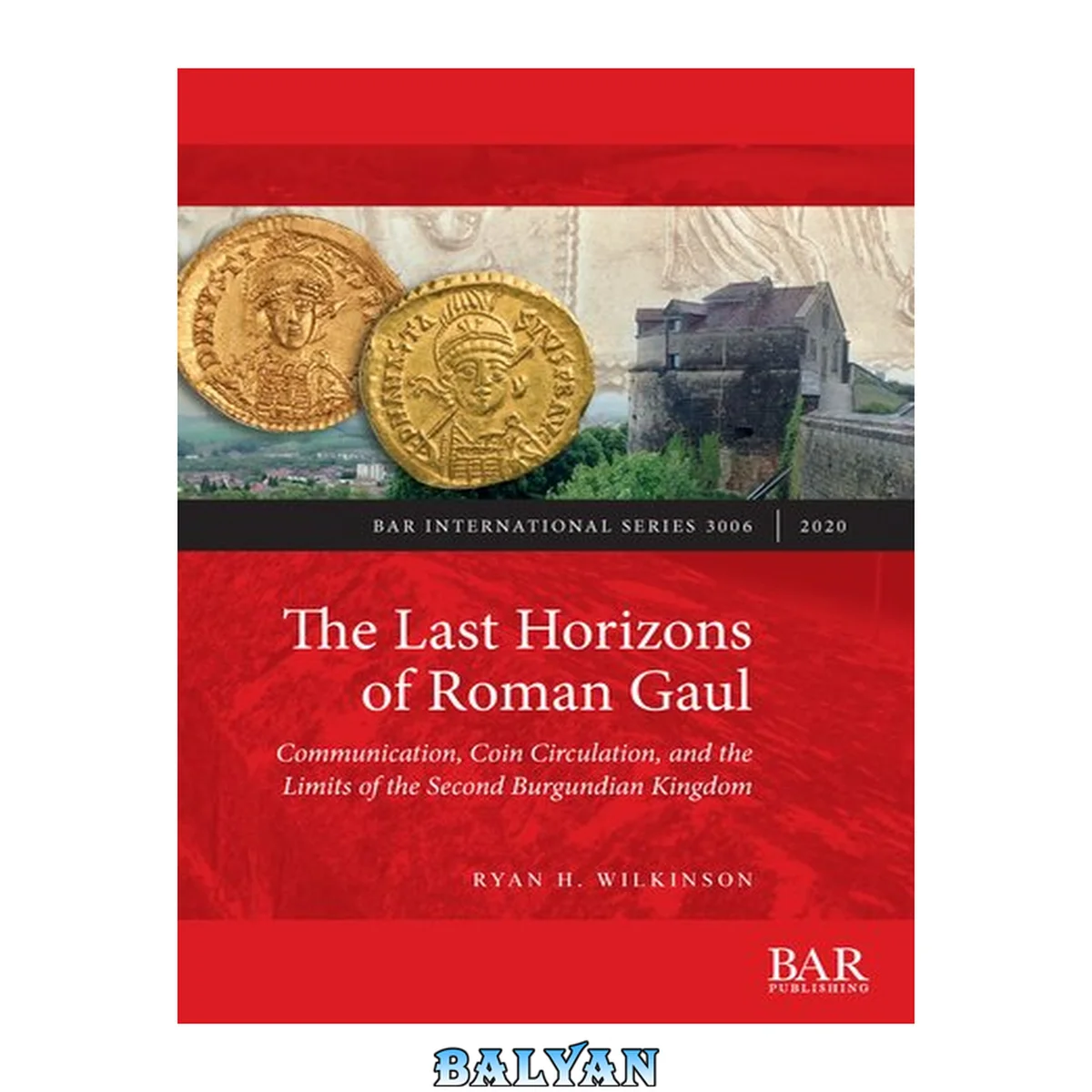
معرفی کتاب «The last horizons of Roman Gaul : communication, coin circulation, and the limits of the Second Burgundian kingdom : a prosopographical, numismatic, and ceramic synthesis (ca. 395-550 CE)» نوشتهٔ Wilkinson, Ryan H.، منتشرشده توسط نشر BaR Publishing. این کتاب در فرمت pdf، زبان انگلیسی ارائه شده است.
How did the ‘Fall of the Roman Empire’ change social and economic networks in eastern Gaul, and how did new ‘barbarian’ political frontiers shape those changes? Synthesising historical and archaeological approaches, this interdisciplinary study combines text-based prosopography with distribution analysis of ceramics and ‘pseudo-imperial’ coins in Burgundy and beyond. The study reveals that the frontiers of the second Burgundian kingdom (5th-6th centuries) curtailed traditional movements along one of Europe’s key riverine corridors and reshaped, temporarily, the mental geographies imagined by local Gallo-Romans, until Merovingian princes conquered the region. The book includes the most thorough assessment to date of the distribution of Burgundian coins found across France. Illuminating the Burgundian kingdom’s internal dynamics and its foreign relations, this assessment revises current understandings of the circulation of gold money across sixth-century Gaul, correcting over-generalisations that can obscure the importance of political frontiers at the end of antiquity. Cover Title Page Copyright Of Related Interest Acknowledgements Contents List of Figures 1. Introduction 1.1. Communication, Power, and the Fragmentation of the Ancient World 1.2. Scope and Methodologies 1.3. The Last Horizons of Roman Gaul 2. Aeduan Communications at the End of Antiquity 2.1. Brothers and Kinsmen of the Roman People 2.2. Before 450: Autun Looks Northwest 2.3. ca. 450-480: Broad Horizons, Gathering Storms 3. Aeduan Communications at the Dawn of the Middle Ages 3.1. Autun’s Small World 3.2. Looking South: Chalon under the Burgundians 3.3. Under Frankish Rule 3.4. Aeduan Horizons: Initial Conclusions 4. Lingon Communications at the End of Antiquity 4.1. A City with Closed Gates 4.2. ca. 450-506: Years of Silence, Years of Violence 4.3. Aprunculus of Langres: Contextualizing an Exile 5. Lingon Communications at the Dawn of the Middle Ages 5.1. 506-534: Gregorius Attalus, Great Man in a Small World 5.2. After 534: A Brave New World 5.3. Lingon Horizons: Initial Conclusions 6. Buried Treasures and Hidden Networks 6.1. Coins and Burgundian History 6.2. The Evidence from Hoards 7. Single Finds and Small Worlds 7.1. Peace and Abundance? 7.2. Coin Distributions in Burgundian Territory 7.3. Coins beyond the Burgundian Kingdom: Distance-Traveled Analysis 7.3.1. Provence and the South 7.3.2. The Frankish North 7.3.3. Aquitania and Western Gaul 7.4. The Brèves tremissis and Burgundian Isolation 8. Synthesis & Conclusions: The Last Horizons of Roman Gaul 8.1. Summary of Findings 8.2. Network and Gravity Theories 8.3. The Limits of the Second Burgundian Kingdom Bibliography Abbreviations Used Ancient and Medieval Sources Modern Works Illustration Credits Back Cover How did the ?Fall of the Roman Empire? change social and economic networks in eastern Gaul, and how did new ?barbarian? political frontiers shape those changes? Synthesising historical and archaeological approaches, this interdisciplinary study combines text-based prosopography with distribution analysis of ceramics and ?pseudo-imperial? coins in Burgundy and beyond. The study reveals that the frontiers of the second Burgundian kingdom (5th-6th centuries) curtailed traditional movements along one of Europe?s key riverine corridors, until Merovingian princes conquered the region. Though temporary, Burgundian-era communication limits powerfully reshaped even the mental geographies imagined by local Gallo-Romans. The book includes the most thorough assessment to date of the distribution of Burgundian coins found across France. Illuminating the Burgundian kingdom?s internal dynamics and its foreign relations, this assessment revises current understandings of the circulation of gold money across sixth-century Gaul, correcting over-generalisations that can obscure the importance of political frontiers at the end of antiquity Synthesising historical and archaeological approaches, this interdisciplinary study combines text-based prosopography with distribution analysis of ceramics and 'pseudo-imperial' coins in Burgundy and beyond. The study reveals that the frontiers of the second Burgundian kingdom (5th-6th centuries) curtailed traditional movements along one of Europe's key riverine corridors and reshaped, temporarily, the mental geographies imagined by local Gallo-Romans, until Merovingian princes conquered the region. The book includes a thorough assessment of the distribution of Burgundian coins found across France. Illuminating the Burgundian kingdom's internal dynamics and its foreign relations, this assessment revises understandings of the circulation of gold money across sixth-century Gaul, correcting over-generalisations that can obscure the importance of political frontiers at the end of antiquity
دانلود کتاب The last horizons of Roman Gaul : communication, coin circulation, and the limits of the Second Burgundian kingdom : a prosopographical, numismatic, and ceramic synthesis (ca. 395-550 CE)