The Irish Revenue Police, 1832-1857 : a Complete Alphabetical List, Short History and Genealogical Guide
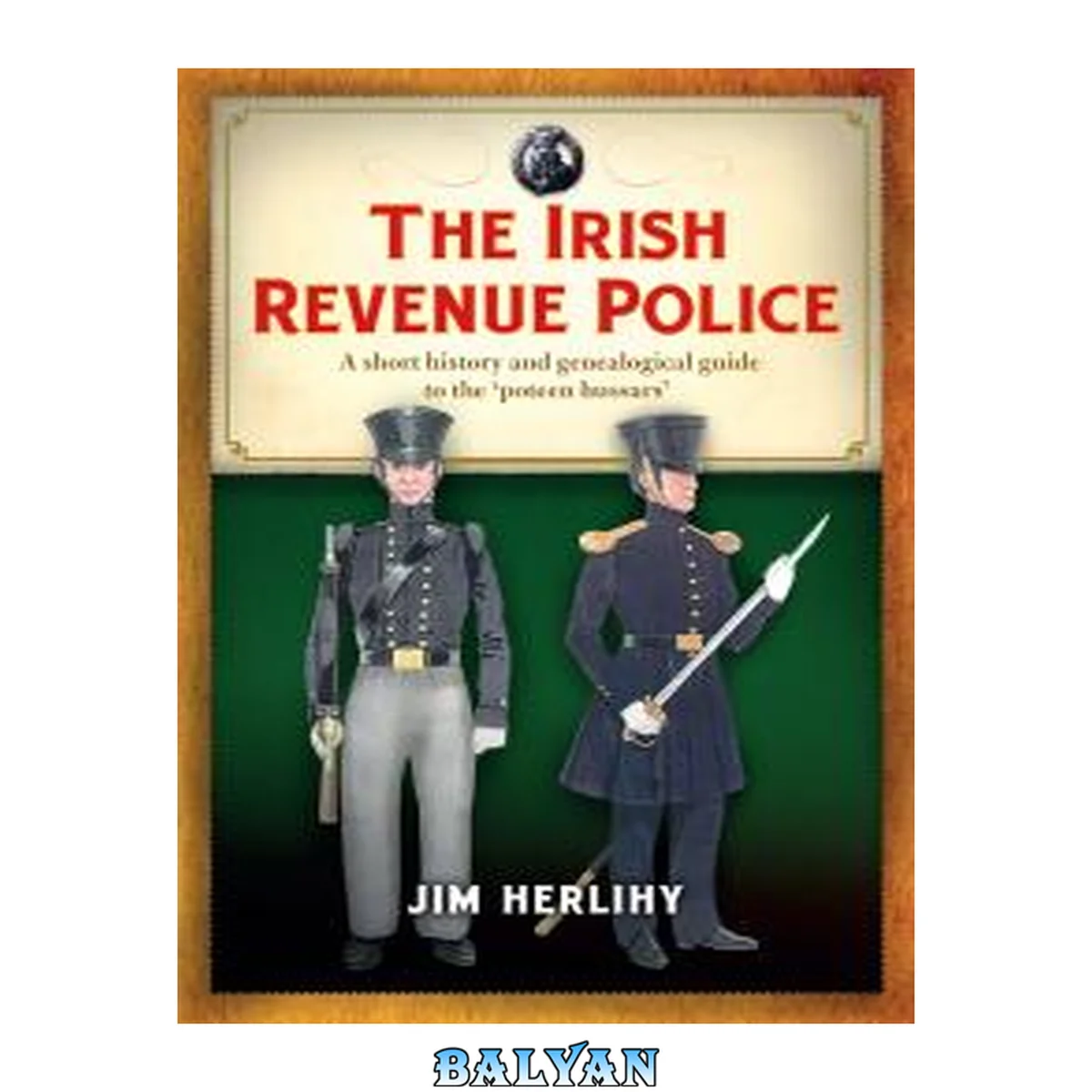
معرفی کتاب «The Irish Revenue Police, 1832-1857 : a Complete Alphabetical List, Short History and Genealogical Guide» نوشتهٔ Jim Herlihy، منتشرشده توسط نشر Four Courts Press Ltd در سال 2018. این کتاب در فرمت pdf، زبان انگلیسی ارائه شده است.
In the period 1832 to 1857, some 4,000 men served in the Irish Revenue Police, working to suppress illicit distillation. In this book, Jim Herlihy shows how to find information on them, providing an excellent resource for those interested in the history of the force, and of the period.A chapter on the history and origin of the Irish Revenue Police and its predecessor forces engaged in 'still-hunting' is followed by one describing what a career in the Revenue Police might have been like, another on tracing your ancestors in the IRP, and a short memoir by Lieutenant Matthew Power (1820-84). All this is followed by an extensive series of appendices filled with detailed information on the Irish Revenue Police and those who served in it, from the force's rank structure, to the distribution across Ireland of its divisions, stations and parties. The centrepiece of this is a complete list of every man who served in the IRP from 1830 to 1857.There is also information on what happened to the Irish Revenue Police after the force was disbanded in 1857, including the gratuities many were given, and lists of those who went on to join the Royal Irish Constabulary, the Dublin Metropolitan Police and the Londonderry Borough Police.Jim Herlihy, a retired member of the Garda Síochána and a co-founder of the Garda Síochána Historical Society, has worked on these sources for many years. His many publications include The Royal Irish Constabulary: a short history and genealogical guide (2016) and Royal Irish Constabulary officers: a biographical dictionary and genealogical guide, 1816-1922 (2005). In The Period 1832 To 1857, Some 4,000 Men Served In The Irish Revenue Police, Working To Supress Illicit Distillation. In This Book, Jim Herlihy Shows How To Find Information On Them, Providing An Excellent Resource For Those Interested In The History Of The Force, And Of The Period. A Chapter On The History And Origin Of The Irish Revenue Police And Its Predecessor Forces Engaged In 'still-hunting' Is Followed By One Describing What A Career In The Revenue Police Might Have Been Like, Another On Tracing Your Ancestor In The Irp, And A Short Memoir By Irp Lieutenant Matthew Power (1820-84). All This Is Followed By An Extensive Series Of Appendices Filled With Detailed Information On The Irish Revenue Police And Those Who Served In It, From The Force's Rank Structure, To The Distribution Across Ireland Of Its Divisions, Stations And Parties. The Centrepiece Of This Is A Complete List Of Every Man Who Served In The Force From 1830 To 1857. There Is Also Information On What Happened To Irish Revenue Police Members After The Force Was Disbanded In 1857, Including The Gratuities Many Were Given, And Lists Of Those Who Went On To Join The Royal Irish Constabulary, The Dublin Metropolitan Police And The Londonderry Borough Police. -- Publisher Description 1. Origins Of The Irish Revenue Police -- 2. A Career In The Irish Revenue Police -- 3. Tracing Your Ancestors In The Irish Revenue Police -- 4. Reminiscences Of Matthew Power (1820-84), Ex-lieutenant,irish Revenue Police. Appendices: Introduction -- Appendix 1: List Of Officers And Men Of The Irish Revenue Police, 1830-57 -- Appendix 2: List Of Irp Officers And Men Who On Disbandment Were Awarded Gratuities -- Appendix 3: List Of Irp Men Who On Disbandment Joined The Ric As Sub-constables And Constables -- Appendix 4: List Of Irp Lieutenants Who On Disbandment Joined The Ric As Sub-inspectors -- Appendix 5: List Of Irp Men Who On Disbandment Joined The Dmp As Constables -- Appendix 6: List Of Irp Men Who On Disbandment Joined The Lbp As Constables -- Appendix 7: List Of Irp Lieutenants Who, Following Disbandment, Became Resident Magistrates -- Appendix 8: Principal Ranks Of The Irp, 1836-57 -- Appendix 9: Numbers Of Irp Officers And Men By Year, 1824-52 -- Appendix 10: List Of The 59 Irp Parties In 1833, By Station, County, District And Strength -- Appendix 11: List Of The 70 Irp Parties In 1847, By Station, County And Strength -- Appendix 12: Map Showing Locations Of Illicit Distillation In 1836-- Appendix 13: List Of Irp Sub-inspectors, Lieutenants And Sub-officers By Party, Station, District And Division In 1836 -- Appendix 14: List Of Irp Sub-inspectors, Lieutenants And Sub-officers By Party, Station, District And Division In 1840 -- Appendix 15: List Of Irp Sub-inspectors, Lieutenants And Sub-officers By Party, Station And Division In 1847 -- Appendix 16: List Of Irp Sub-inspectors, Lieutenants And Sub-officers By Party, Station And Division In 1852 -- Appendix 17: List Of The 72 Irp Parties In 1853, By Station, County And Strength -- Appendix 18: List Of Irp Sub-inspectors, Lieutenants And Sub-officers By Party, Station And Division In 1855 -- Appendix 19: Map Showing Number Of Irp Parties Stationed In Each County In 1833 -- Appendix 20: Map Showing Number Of Irp Parties Stationed In Each County,1836-55 -- Appendix 21: Where The 9 Divisions Of The Irp's Northern District Were Stationed, 1840-55-- Appendix 22: Where The 9 Divisions Of The Irp's Southern District Were Stationed, 1840-55 -- Appendix 23: Salaries And Allowances Of Irp Officers And Men, 1847 -- Appendix 24: Irp Privates Discharged On 11 July 1837 For Marrying Without Permission. Jim Herlihy. Includes Bibliographical References. In the period 1832 to 1857 some 3,700 men served in the Irish Revenue Police. In this book, Jim Herlihy shows how to find information on these policemen, providing an excellent resource for those interested in the history of the IRP and the Irish Famine period. A chapter on the history and origin of the Irish Revenue Police and its predecessor forces engaged in 'still-hunting' is followed by a section in tracing your ancestors in the IRP. A complete list of IRP stations and Revenue Police Parties and their geographical distribution is shown. The rank structure and duties of the IRP is enumerated. To demonstrate the richness of the sources for constructing IRP biographies a rare case history of IRP Lieutenant Matthew Power (1820-84), later Chief Constable of Worcester (1861-84) who served in the IRP from 1847 to 1854 is included. The complete list includes every man who served in the IRP, giving his surname, forename and year of enlistment and indicates those, who on disbandment of the IRP on 1 October 1857 transferred to the (Royal) Irish Constabulary (519), the Dublin Metropolitan Police (48), the Londonderry City Police (3) or progressed to become Resident Magistrates (3). In the case of those ex-IRP men who joined the RIC, their registered numbers are given and whether they subsequently were dismissed, resigned, pensioned or died during their RIC service. Of those 496 ex-IRP men who were disbanded and did not subsequently join another police service, their name, final rank, station and gratuity amount is given. [ 19th C. Studies, History, Genealogy & Archives, Irish Studies, Policing] La 4e de couv. indique : "In the period 1832 to 1857, some 4,000 men served in the Irish Revenue Police, working to supress illicit distillation. In this book, Jim Herlihy shows how to find information on them, providing an excellent resource for those interested in the history of the force, and of the period. A chapter on the history and origin of the Irish Revenue Police and its predecessor forces engaged in 'still-hunting' is followed by one describing what a career in the Revenue Police might have been like, another on tracing your ancestor in the IRP, and a short memoir by IRP Lieutenant Matthew Power (1820-84). All this is followed by an extensive series of appendices filled with detailed information on the Irish Revenue Police and those who served in it, from the force's rank structure, to the distribution across Ireland of its divisions, stations and parties. The centrepiece of this is a complete list of every man who served in the force from 1830 to 1857. There is also information on what happened to Irish Revenue Police members after the force was disbanded in 1857, including the gratuities many were given, and lists of those who went on to join the Royal Irish Constabulary, the Dublin Metropolitan Police and the Londonderry Borough Police."
دانلود کتاب The Irish Revenue Police, 1832-1857 : a Complete Alphabetical List, Short History and Genealogical Guide