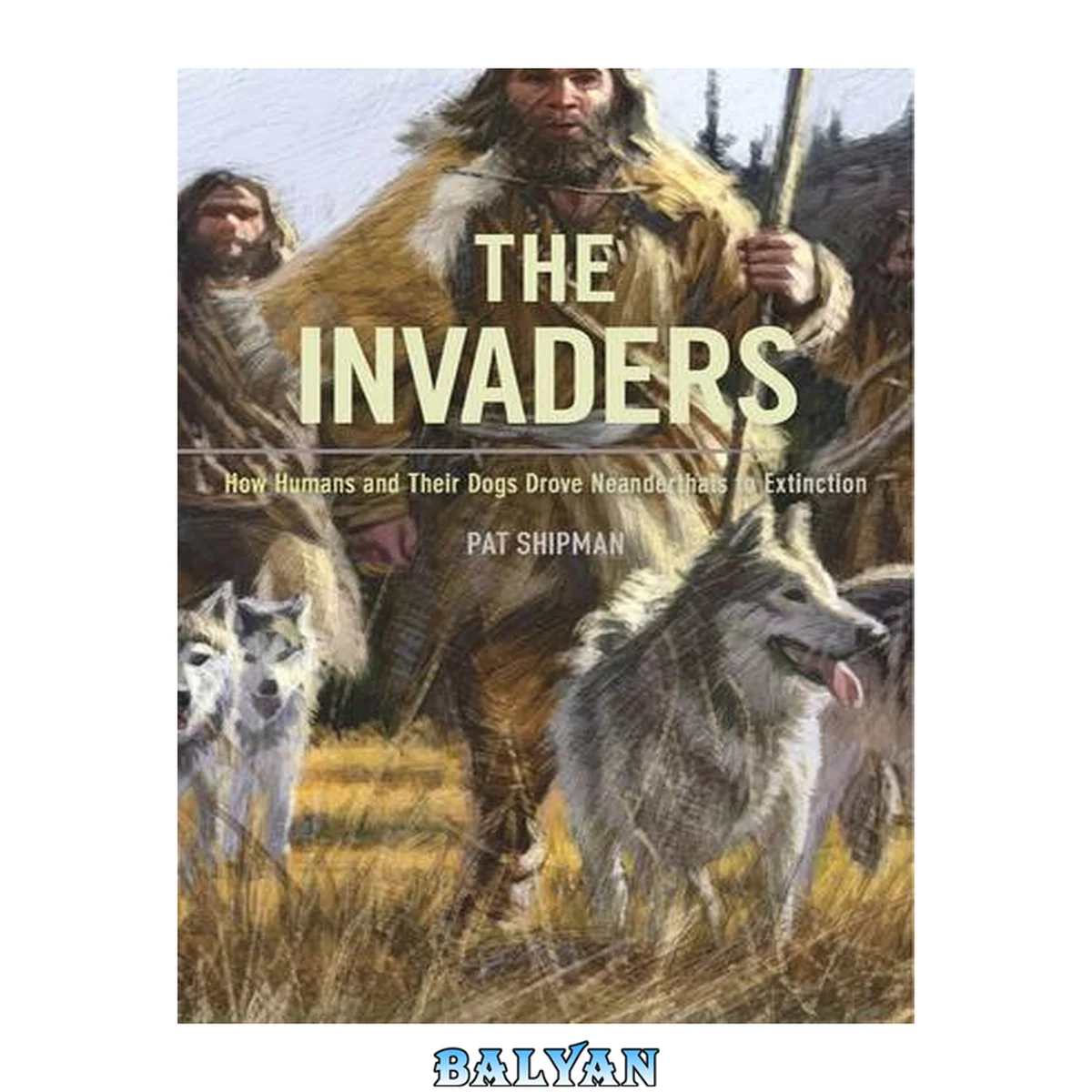
The Invaders: How Humans and Their Dogs Drove Neanderthals to Extinction How Humans and Their Dogs Drove Neanderthals to Extinction
معرفی کتاب «مهاجمان: چگونه انسانها و سگهایشان نئاندرتالها را به انقراض کشاندند» (با عنوان لاتین The Invaders: How Humans and Their Dogs Drove Neanderthals to Extinction How Humans and Their Dogs Drove Neanderthals to Extinction) نوشتهٔ John Pile، Judith Gura، Drew Plunkett و Pat Shipman، منتشرشده توسط نشر Belknap Press: An Imprint of Harvard University Press در سال 2015. این کتاب در فرمت pdf، زبان انگلیسی ارائه شده است.
With their large brains, sturdy physique, sophisticated tools, and hunting skills, Neanderthals are the closest known relatives to humans. Approximately 200,000 years ago, as modern humans began to radiate out from their evolutionary birthplace in Africa, Neanderthals were already thriving in Europe descendants of a much earlier migration of the African genus Homo." But when modern humans eventually made their way to Europe 45,000 years ago, Neanderthals suddenly vanished. Ever since the first Neanderthal bones were identified in 1856, scientists have been vexed by the question, why did modern humans survive while their evolutionary cousins went extinct? The Invaders "musters compelling evidence to show that the major factor in the Neanderthals demise was direct competition with newly arriving humans. Drawing on insights from the field of invasion biology, which predicts that the species ecologically closest to the invasive predator will face the greatest competition, Pat Shipman traces the devastating impact of a growing human population: reduction of Neanderthals geographic range, isolation into small groups, and loss of genetic diversity. But modern humans were not the only invaders who competed with Neanderthals for big game. Shipman reveals fascinating confirmation of humans partnership with the first domesticated wolf-dogs soon after Neanderthals first began to disappear. This alliance between two predator species, she hypothesizes, made possible an unprecedented degree of success in hunting large Ice Age mammals a distinct and ultimately decisive advantage for humans over Neanderthals at a time when climate change made both groups vulnerable." The Invaders Musters Compelling Evidence To Show That The Major Factor In The Neanderthals' Demise Was Direct Competition With Newly Arriving Humans. Drawing On Insights From The Field Of Invasion Biology, Which Predicts That The Species Ecologically Closest To The Invasive Predator Will Face The Greatest Competition, Pat Shipman Traces The Devastating Impact Of A Growing Human Population: Reduction Of Neanderthals' Geographic Range, Isolation Into Small Groups, And Loss Of Genetic Diversity. But Modern Humans Were Not The Only Invaders Who Competed With Neanderthals For Big Game. Shipman Reveals Fascinating Confirmation Of Humans' Partnership With The First Domesticated Wolf-dogs Soon After Neanderthals First Began To Disappear. This Alliance Between Two Predator Species, She Hypothesizes, Made Possible An Unprecedented Degree Of Success In Hunting Large Ice Age Mammals--a Distinct And Ultimately Decisive Advantage For Humans Over Neanderthals At A Time When Climate Change Made Both Groups Vulnerable.--publisher's Web Site. And He Is Us -- Here We Come, Ready Or Not -- Time Is Of The Essence -- Who Wins In An Invasion? -- How Do You Know What You Think You Know? -- What's For Dinner? -- What Does An Invasion Look Like? -- Going, Going, Gone... -- Guess Who Else Is Coming To Dinner? -- Bearing Up Under Competition Pressure -- The Jagger Principle -- Dogged -- Why Dogs? -- When Is A Wolf Not A Wolf? -- What Happened And Why. Pat Shipman. Includes Bibliographical References And Index. A Times Higher Education Book of the WeekApproximately 200,000 years ago, as modern humans began to radiate out from their evolutionary birthplace in Africa, Neanderthals were already thriving in Europe—descendants of a much earlier migration of the African genus Homo. But when modern humans eventually made their way to Europe 45,000 years ago, Neanderthals suddenly vanished. Ever since the first Neanderthal bones were identified in 1856, scientists have been vexed by the question, why did modern humans survive while their closest known relatives went extinct?“Shipman admits that scientists have yet to find genetic evidence that would prove her theory. Time will tell if she's right. For now, read this book for an engagingly comprehensive overview of the rapidly evolving understanding of our own origins.”—Toby Lester, Wall Street Journal“Are humans the ultimate invasive species? So contends anthropologist Pat Shipman—and Neanderthals, she opines, were among our first victims. The relationship between Homo sapiens and Homo neanderthalensis is laid out cleanly, along with genetic and other evidence. Shipman posits provocatively that the deciding factor in the triumph of our ancestors was the domestication of wolves.”—Daniel Cressey, Nature Contents 8 Preface 10 1. And He Is Us 18 2. Here We Come, Ready or Not 26 3. Time Is of the Essence 48 4. Who Wins in an Invasion? 62 5. How Do You Know What You Think You Know? 78 6. What’s for Dinner? 87 7. What Does an Invasion Look Like? 105 8. Going, Going, Gone . . . 123 9. Guess Who Else Is Coming to Dinner? 137 10. Bearing Up under Competition Pressure 160 11. The Jagger Principle 173 12. Dogged 184 13. Why Dogs? 211 14. When Is a Wolf Not a Wolf? 231 15. What Happened and Why 243 Notes 252 Credits 276 Index 280
Humans domesticated dogs soon after Neanderthals began to disappear. This alliance between two predator species, Pat Shipman hypothesizes, made possible unprecedented success in hunting large Ice Age mammals—a distinct and ultimately decisive advantage for human invaders at a time when climate change made both humans and Neanderthals vulnerable.