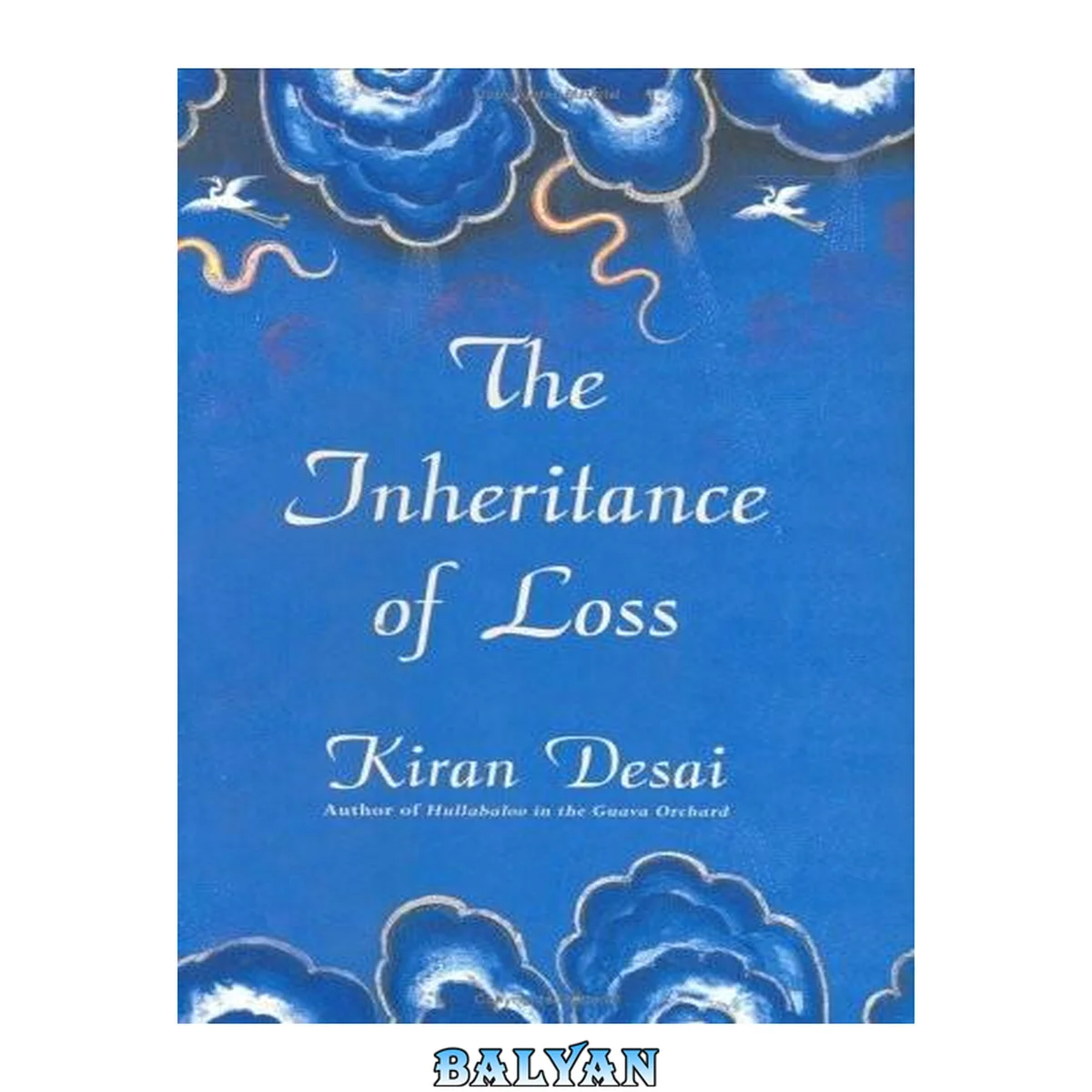
معرفی کتاب «The Inheritance of Loss: A Novel (Man Booker Prize)» نوشتهٔ Desai, Kiran، منتشرشده توسط نشر Atlantic Monthly Press در سال 2006. این کتاب در فرمت mobi، زبان انگلیسی ارائه شده است.
From Publishers Weekly Starred Review. This stunning second novel from Desai (_Hullabaloo in the Guava Orchard_) is set in mid-1980s India, on the cusp of the Nepalese movement for an independent state. Jemubhai Popatlal, a retired Cambridge-educated judge, lives in Kalimpong, at the foot of the Himalayas, with his orphaned granddaughter, Sai, and his cook. The makeshift family's neighbors include a coterie of Anglophiles who might be savvy readers of V.S. Naipaul but who are, perhaps, less aware of how fragile their own social standing is—at least until a surge of unrest disturbs the region. Jemubhai, with his hunting rifles and English biscuits, becomes an obvious target. Besides threatening their very lives, the revolution also stymies the fledgling romance between 16-year-old Sai and her Nepalese tutor, Gyan. The cook's son, Biju, meanwhile, lives miserably as an illegal alien in New York. All of these characters struggle with their cultural identity and the forces of modernization while trying to maintain their emotional connection to one another. In this alternately comical and contemplative novel, Desai deftly shuttles between first and third worlds, illuminating the pain of exile, the ambiguities of post-colonialism and the blinding desire for a "better life," when one person's wealth means another's poverty. Copyright © Reed Business Information, a division of Reed Elsevier Inc. All rights reserved. From Desai's second novel is set in the nineteen-eighties in the northeast corner of India, where the borders of several Himalayan states—Bhutan and Sikkim, Nepal and Tibet—meet. At the head of the novel's teeming cast is Jemubhai Patel, a Cambridge-educated judge who has retired from serving a country he finds "too messy for justice." He lives in an isolated house with his cook, his orphaned seventeen-year-old granddaughter, and a red setter, whose company Jemubhai prefers to that of human beings. The tranquillity of his existence is contrasted with the life of the cook's son, working in grimy Manhattan restaurants, and with his granddaughter's affair with a Nepali tutor involved in an insurgency that irrevocably alters Jemubhai's life. Briskly paced and sumptuously written, the novel ponders questions of nationhood, modernity, and class, in ways both moving and revelatory. Copyright © 2006 From Publishers Weekly Starred Review. This stunning second novel from Desai (_Hullabaloo in the Guava Orchard_) is set in mid-1980s India, on the cusp of the Nepalese movement for an independent state. Jemubhai Popatlal, a retired Cambridge-educated judge, lives in Kalimpong, at the foot of the Himalayas, with his orphaned granddaughter, Sai, and his cook. The makeshift family's neighbors include a coterie of Anglophiles who might be savvy readers of V.S. Naipaul but who are, perhaps, less aware of how fragile their own social standing is鈥攁t least until a surge of unrest disturbs the region. Jemubhai, with his hunting rifles and English biscuits, becomes an obvious target. Besides threatening their very lives, the revolution also stymies the fledgling romance between 16-year-old Sai and her Nepalese tutor, Gyan. The cook's son, Biju, meanwhile, lives miserably as an illegal alien in New York. All of these characters struggle with their cultural identity and the forces of modernization while trying to maintain their emotional connection to one another. In this alternately comical and contemplative novel, Desai deftly shuttles between first and third worlds, illuminating the pain of exile, the ambiguities of post-colonialism and the blinding desire for a "better life," when one person's wealth means another's poverty. Copyright 漏 Reed Business Information, a division of Reed Elsevier Inc. All rights reserved. From Desai's second novel is set in the nineteen-eighties in the northeast corner of India, where the borders of several Himalayan states鈥擝hutan and Sikkim, Nepal and Tibet鈥攎eet. At the head of the novel's teeming cast is Jemubhai Patel, a Cambridge-educated judge who has retired from serving a country he finds "too messy for justice." He lives in an isolated house with his cook, his orphaned seventeen-year-old granddaughter, and a red setter, whose company Jemubhai prefers to that of human beings. The tranquillity of his existence is contrasted with the life of the cook's son, working in grimy Manhattan restaurants, and with his granddaughter's affair with a Nepali tutor involved in an insurgency that irrevocably alters Jemubhai's life. Briskly paced and sumptuously written, the novel ponders questions of nationhood, modernity, and class, in ways both moving and revelatory. Copyright 漏 2006 Fiction,General,Orphans,Literary,Aged men,Older men,Psychological fiction,Psychological,Grandparent and child,Family Life,Teenage girls,Domestic fiction,Judges,Retirement,K膩nchenjunga (Nepal and India),Ethnic relations,Grandfathers,Tutors and tutoring,Kanchenjunga (Nepal and India),Judges - Retirement Kiran Desai's first novel, Hullabaloo in the Guava Orchard, was published to unanimous acclaim in over twenty-two countries. Now Desai takes us to the northeastern Himalayas where a rising insurgency challenges the old way of life. In a crumbling, isolated house at the foot of Mount Kanchenjunga lives an embittered old judge who wants to retire in peace when his orphaned granddaughter Sai arrives on his doorstep. The judge's chatty cook watches over her, but his thoughts are mostly with his son, Biju, hopscotching from one New York restaurant job to another, trying to stay a step ahead of the INS, forced to consider his country's place in the world. When a Nepalese insurgency in the mountains threatens Sai's new-sprung romance with her handsome Nepali tutor and causes their lives to descend into chaos, they, too, are forced to confront their colliding interests. The nation fights itself. The cook witnesses the hierarchy being overturned and discarded. The judge must revisit his past, his own role in this grasping world of conflicting desires-every moment holding out the possibility for hope or betrayal. A novel of depth and emotion, Desai's second, long-awaited novel fulfills the grand promise established by her first.
In a crumbling, isolated house at the foot of Mount Kanchenjunga in the Himalayas lives an embittered judge who wants only to retire in peace, when his orphaned granddaughter, Sai, arrives on his doorstep. The judge’s cook watches over her distractedly, for his thoughts are often on his son, Biju, who is hopscotching from one gritty New York restaurant to another. Kiran Desai’s brilliant novel, published to huge acclaim, is a story of joy and despair. Her characters face numerous choices that majestically illuminate the consequences of colonialism as it collides with the modern world.
The Washington Post - Donna Rifkind
The writing has a melancholy beauty here, especially in its sensuous evocations of the natural world: "white azaleas in flower, virginal yet provocative like a good underwear trick"; "mountains where monasteries limpet to the sides of rock." Her keen appreciation of contradiction enriches the book, and, if the integrity of her narrative is less than perfect, the integrity of her ideological convictions is absolute.
In a crumbling, isolated house at the foot of Mount Kanchenjunga in the Himalayas lives an embittered judge who wants only to retire in peace, when his orphaned granddaughter, Sai, arrives on his doorstep. The judgeʼs cook watches over her distractedly, for his thoughts are often on his son, Biju, who is hopscotching from one gritty New York restaurant to another. Kiran Desaiʼs brilliant novel, published to huge acclaim, is a story of joy and despair. Her characters face numerous choices that majestically illuminate the consequences of colonialism as it collides with the modern world. Winner of 2006 Man Booker Prize. Kiran Desai's tragicomic novel The Inheritance of Loss spans two continents and three generations. The story cuts between New York and India, contrasting the menial jobs and meager conditions of immigrant life in the city with the political unrest engulfing an isolated Himalayan hill town In a crumbling house in the remote northeastern Himalayas, an embittered, elderly judge finds his peaceful retirement turned upside down by the arrival of his orphaned granddaughter, Sai