The Generalissimo: Chiang Kai-shek and the Struggle for Modern China (Belknap Press)
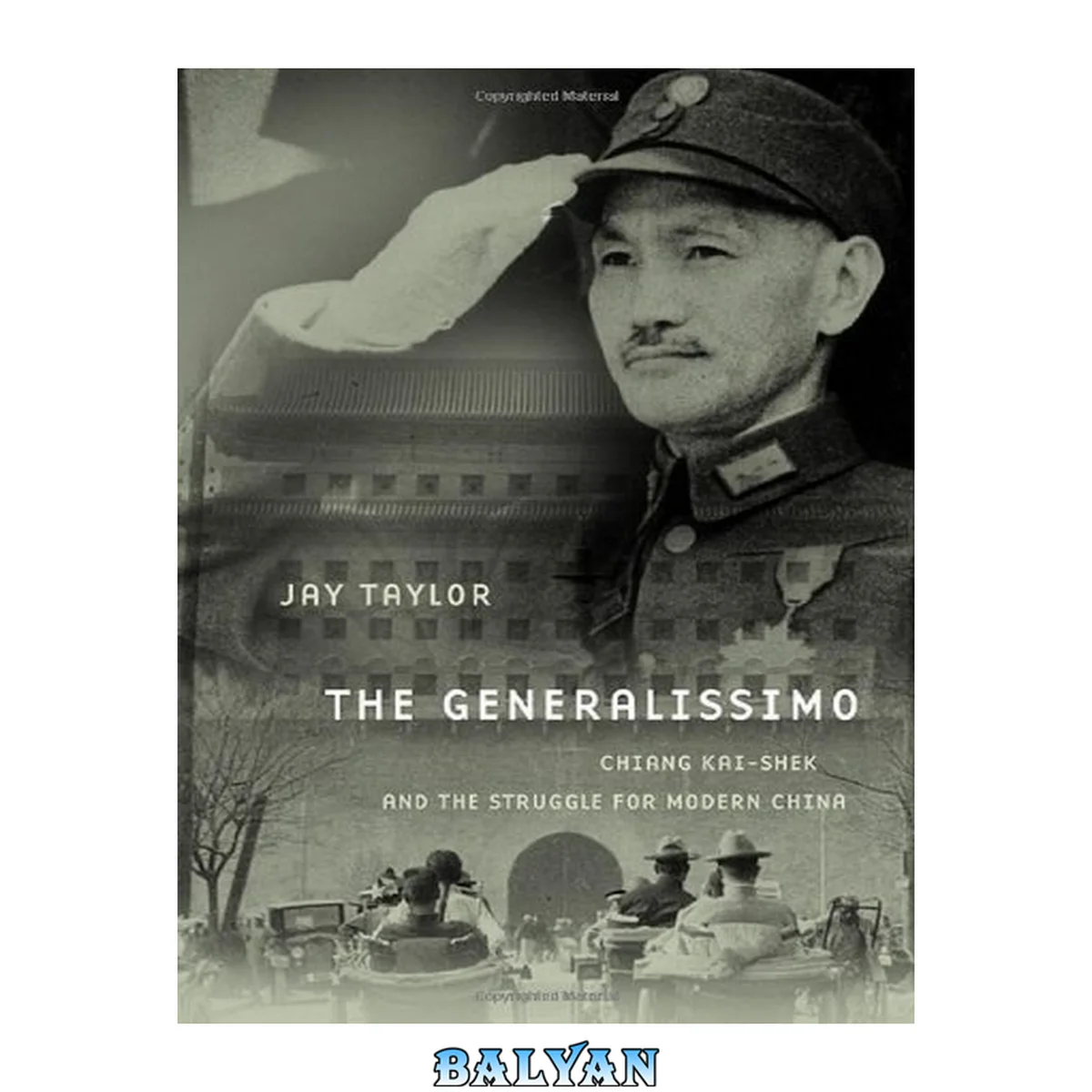
معرفی کتاب «The Generalissimo: Chiang Kai-shek and the Struggle for Modern China (Belknap Press)» نوشتهٔ Jay Taylor، منتشرشده توسط نشر Belknap Press: An Imprint of Harvard University Press در سال 2009. این کتاب در 752 صفحه، فرمت pdf، زبان انگلیسی ارائه شده است. «The Generalissimo: Chiang Kai-shek and the Struggle for Modern China (Belknap Press)» در دستهٔ تاریخ ایران قرار دارد.
one Of The Most Momentous Stories Of The Last Century Is China’s Rise From A Self-satisfied, Anti-modern, Decaying Society Into A Global Power That Promises To One Day Rival The United States. Chiang Kai-shek, An Autocratic, Larger-than-life Figure, Dominates This Story. A Modernist As Well As A Neo-confucianist, Chiang Was A Man Of War Who Led The Most Ancient And Populous Country In The World Through A Quarter Century Of Bloody Revolutions, Civil Conflict, And Wars Of Resistance Against Japanese Aggression.
in 1949, When He Was Defeated By Mao Zedong—his Archrival For Leadership Of China—he Fled To Taiwan, Where He Ruled For Another Twenty-five Years. Playing A Key Role In The Cold War With China, Chiang Suppressed Opposition With His “white Terror,” Controlled Inflation And Corruption, Carried Out Land Reform, And Raised Personal Income, Health, And Educational Levels On The Island. Consciously Or Not, He Set The Stage For Taiwan’s Evolution Of A Chinese Model Of Democratic Modernization.
drawing Heavily On Chinese Sources Including Chiang’s Diaries, the Generalissimo Provides The Most Lively, Sweeping, And Objective Biography Yet Of A Man Whose Length Of Uninterrupted, Active Engagement At The Highest Levels In The March Of History Is Excelled By Few, If Any, In Modern History. Jay Taylor Shows A Man Who Was Exceedingly Ruthless And Temperamental But Who Was Also Courageous And Conscientious In Matters Of State. Revealing Fascinating Aspects Of Chiang’s Life, Taylor Provides Penetrating Insight Into The Dynamics Of The Past That Lie Behind The Struggle For Modernity Of Mainland China And Its Relationship With Taiwan.
the Washington Post - Laura Tyson Li
jay Taylor's New Biography…challenges The Catechism On Which Generations Of Americans Have Been Weaned. Marshaling Archival Materials Made Newly Available To Researchers, Including About Four Decades' Worth Of Chiang's Daily Diaries And Documents From The Soviet Era, It Torpedoes Many Of That Catechism's Cherished Tenets. This Is An Important, Controversial Book…taylor Carefully Reconsiders The Received Wisdom, Yet His Book Is No Polemic. Having Begun With Stereotyped Preconceptions, He Evidently Grew Sympathetic To His Subject In The Telling. But He Does Not Shrink From Detailing The Worst Abuses Of Chiang's Oppressive Rule Both On The Mainland And On Taiwan.
Chiang was a man of war who led the most ancient and populous country in the world through a quarter century of bloody revolutions, civil conflict, and wars of resistance against Japanese aggression. In 1949, when he was defeated by Mao Zedong, he fled to Taiwan, where he ruled for another twenty-five years. Playing a key role in the cold war with China, Chiang suppressed opposition with his "white terror," controlled inflation and corruption, carried out land reform, and raised personal income, health, and educational levels on the island. --from publisher description Part I: Revolution "A heap of sand" "Tigers in front and wolves behind" "The last five minutes" Part II: War of resistance "We offer all we are and all we have" "Chiang has one emotion: China" "The party's over" "Substance for the shadow" Part III: Civil war "Trying to catch a fish in a tree" "In my heart, I am not guilty" Part IV: The island "It's a good omen" "Tickling the communist tiger" "It was probably providential the mainland was lost" "I'll never sell you down the river." Drawing heavily on Chinese sources including Chiang's diaries, this book tells the story of this 'man of war' who led the most ancient and populous country in the world for a quarter century of endless and bloody revolutions, civil conflict, and wars of resistance against Japanese aggression Revolution -- War Of Resistance -- Civil War -- The Island. Jay Taylor. Includes Bibliographical References (p. [597]-698) And Index.