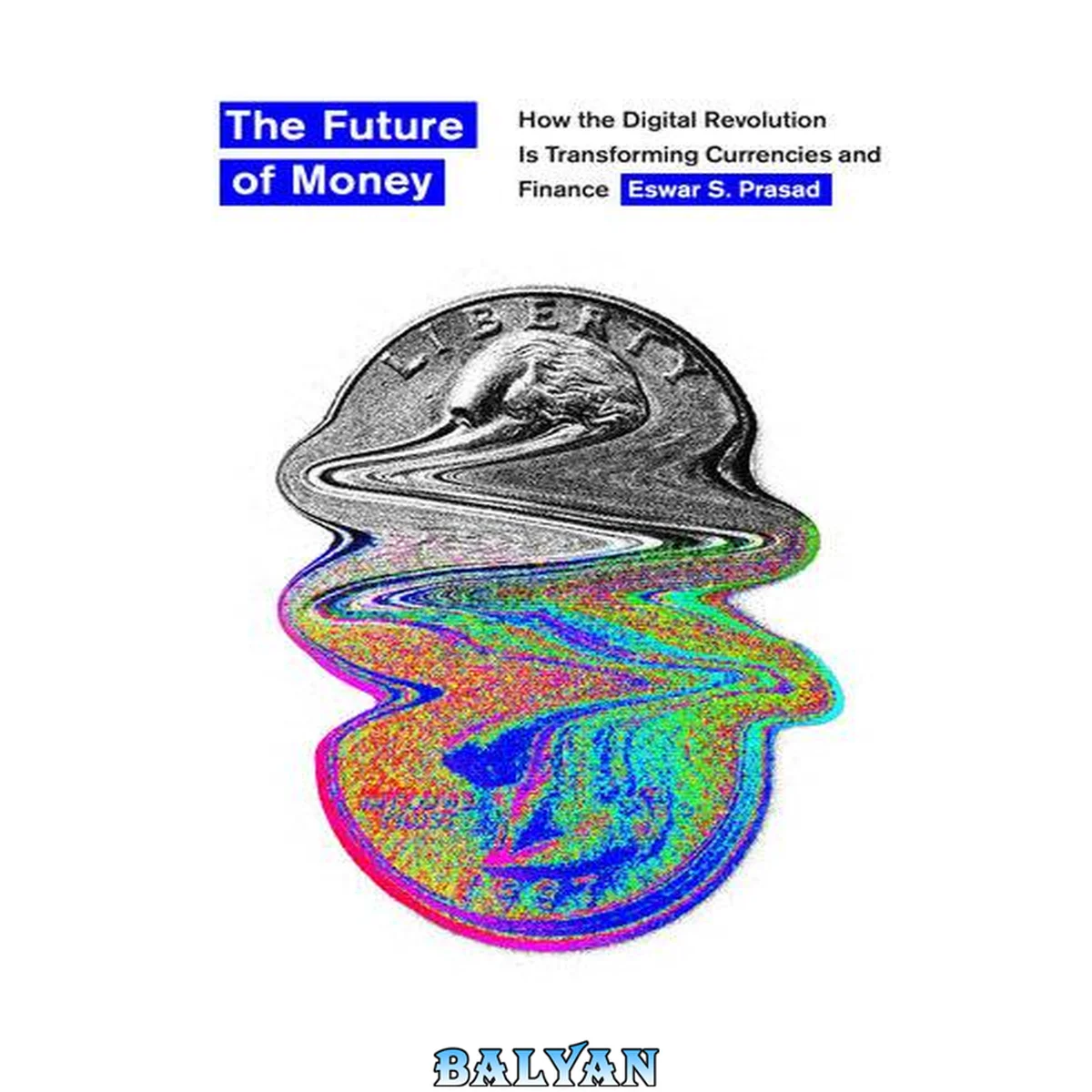
The future of money how : how the digital revolution is transforming currencies and finance
معرفی کتاب «The future of money how : how the digital revolution is transforming currencies and finance» نوشتهٔ Eswar S. Prasad، منتشرشده توسط نشر Belknap Press: An Imprint of Harvard University Press در سال 2021. این کتاب در 496 صفحه، فرمت epub، زبان انگلیسی ارائه شده است.
در عصر تحول دیجیتال، مفهوم پول و نظام مالی دستخوش دگرگونیهایی بنیادین شده است که زندگی عادی مردم را به گونهای بیسابقه تغییر خواهد داد. کتاب «آیندهی پول: چگونه انقلاب دیجیتال ارزها و امور مالی را متحول میکند» (The Future of Money: How the Digital Revolution Is Transforming Currencies and Finance) نوشتهی اسوار اس. پراساد، نگاهی موشکافانه به این تحولات دارد و چشماندازی روشن از مسیری که نظام مالی جهانی در پیش گرفته است، ترسیم میکند.
دربارهٔ کتاب — آیندهی پول: چگونه انقلاب دیجیتال ارزها و امور مالی را متحول میکند
اسوار پراساد، اقتصاددان برجسته و استاد دانشگاه کرنل، در این کتاب به بررسی یکی از مهمترین پرسشهای عصر حاضر میپردازد: پول در آینده به چه شکلی درخواهد آمد و این تحول چه تأثیری بر زندگی ما خواهد داشت؟ او استدلال میکند که جهان مالی در آستانهی تحولی بزرگ قرار دارد که نه تنها بانکها و شرکتها، بلکه تکتک شهروندان را تحت تأثیر قرار خواهد داد. محور اصلی این دگرگونی، پایان یافتن عصر پول فیزیکی و جایگزینی آن با ارزهای دیجیتال است؛ تحولی که به گفتهی پراساد، نه توسط کارتهای اعتباری یا تلفنهای همراه، بلکه توسط بانکهای مرکزی و در واکنش به ظهور ارزهای رمزنگاری شده رقم خواهد خورد. سبک نگارش پراساد در این اثر، ترکیبی است از دقت علمی و روانی بیانی که آن را برای مخاطبان غیرمتخصص نیز قابل فهم میسازد. کتاب با مرور مفاهیم پایهای پول و کارکردهای سهگانهی آن یعنی واحد حساب، واسطهی مبادله و ذخیرهی ارزش، آغاز میشود 2 و سپس به تشریح ابعاد فنی و اقتصادی فناوریهای مالی نوین میپردازد. پراساد در این مسیر، از بیتکوین و فناوری بلاکچین گرفته تا ارزهای دیجیتال بانکهای مرکزی (CBDC) را مورد بررسی قرار میدهد و با زبانی شفاف، پیچیدگیهای این حوزه را برای خواننده روشن میسازد. نگاه او به این موضوعات، متعادل و واقعگرایانه است و ضمن برشمردن مزایای بالقوهی این تحولات، از ریسکهایی مانند بیثباتی، عدم پاسخگویی و فرسایش حریم خصوصی نیز غافل نمیماند.
دربارهٔ نویسنده
اسوار اس. پراساد (Eswar S. Prasad) اقتصاددان برجستهی هندیتبار و استاد ارشد سیاست تجاری «ناندلال پی. تولانی» و استاد اقتصاد در دانشکدهی مدیریت کاربردی و اقتصاد «چارلز اچ. دایسون» در دانشگاه کرنل است. او همچنین عضو ارشد و دارندهی کرسی «نیو سنچری» در مؤسسهی بروکینگز و عضو پژوهشی دفتر ملی تحقیقات اقتصادی (NBER) آمریکا محسوب میشود. پراساد پیش از این، سابقهی مدیریت بخش مطالعات مالی در دپارتمان تحقیقات صندوق بینالمللی پول (IMF) و همچنین ریاست بخش چین این نهاد را در کارنامه دارد. او فارغالتحصیل دکترای اقتصاد از دانشگاه شیکاگو است و حوزههای پژوهشی او شامل اقتصاد کلان جهانیشدن، اقتصاد چین و هند و نظامهای مالی بینالمللی میشود.
چرا باید آیندهی پول را بخوانید؟
درک جامع از تحولات نظام مالی: این کتاب با زبانی روشن و ساختاری منسجم، تصویری کامل از وضعیت کنونی و آیندهی پول و فناوریهای مالی ارائه میدهد و به شما کمک میکند تا روندهای کلان این حوزه را درک کنید.
تحلیلی متعادل و واقعگرایانه از رمزارزها: پراساد با نگاهی موشکافانه و بیطرفانه، به بررسی بیتکوین و سایر ارزهای دیجیتال پرداخته و توانمندیها و محدودیتهای آنها را بدون اغراق و با استناد به شواهد اقتصادی بررسی میکند.
آشنایی با مفهوم ارزهای دیجیتال بانکهای مرکزی (CBDC): کتاب به طور مفصل به نقش بانکهای مرکزی در شکلدهی به آیندهی پول میپردازد و مزایا و چالشهای پیادهسازی ارزهای دیجیتال ملی را تشریح میکند.
دیدگاهی جهانی و جامع: نویسنده با تکیه بر تجربهی خود در صندوق بینالمللی پول، تحولات مالی را در سطح بینالمللی مورد بررسی قرار میدهد و تأثیر آن را بر اقتصادهای مختلف جهان نشان میدهد.
مرجعی معتبر و بهروز: این کتاب که در سال ۲۰۲۱ منتشر شده، یکی از بهروزترین و معتبرترین منابع در حوزهی تحولات دیجیتال پول محسوب میشود و به عنوان یکی از بهترین کتابهای سال از سوی نشریات معتبری مانند اکونومیست و فایننشال تایمز معرفی شده است.
این کتاب برای چه کسانی مناسب است؟
«آیندهی پول» برای طیف وسیعی از مخاطبان جذاب و مفید خواهد بود. این کتاب برای دانشجویان و پژوهشگران رشتههای اقتصاد، امور مالی و فناوری اطلاعات منبعی غنی و معتبر به شمار میرود. همچنین برای سرمایهگذاران، فعالان حوزهی فینتک، سیاستگذاران مالی و حتی افرادی که به سادگی میخواهند بدانند پولی که در کیف پولشان است، در دهههای آینده چه سرنوشتی پیدا خواهد کرد، خواندنی و روشنگر است. رویکرد نویسنده در توضیح مفاهیم پیچیده به زبانی ساده، این اثر را برای هر مخاطب کنجکاوی که دغدغهی درک تحولات مالی معاصر را دارد، قابل استفاده ساخته است.
سوالات متداول
آیا این کتاب صرفاً به ترویج ارزهای دیجیتال میپردازد یا نگاهی نقادانه نیز دارد؟
پراساد در این کتاب رویکردی متعادل و نقادانه اتخاذ کرده است. او ضمن تشریح پتانسیلهای بالای فناوریهای مالی نوین و ارزهای دیجیتال، به نقد جدی آنها نیز میپردازد و نسبت به ریسکهایی مانند بیثباتی، عدم شفافیت و تهدید حریم خصوصی هشدار میدهد.
آیا برای درک این کتاب نیاز به دانش تخصصی در حوزهی اقتصاد یا رمزارزها دارم؟
خیر، یکی از نقاط قوت این کتاب، قابلیت فهم بالای آن برای مخاطبان غیرمتخصص است. نویسنده مفاهیم پایهای را از ابتدا توضیح میدهد و با زبانی روان و عاری از اصطلاحات پیچیده، خواننده را با موضوعات پیشرفتهتر آشنا میسازد.
تفاوت اصلی ارزهای دیجیتال بانکهای مرکزی با رمزارزهایی مانند بیتکوین چیست؟
ارزهای دیجیتال بانکهای مرکزی توسط دولتها و نهادهای پولی رسمی صادر و پشتیبانی میشوند و در چارچوب نظام مالی سنتی طراحی میگردند، در حالی که رمزارزهایی مانند بیتکوین غیرمتمرکز بوده و توسط هیچ نهاد مرکزی کنترل نمیشوند.
**A cutting-edge look at how accelerating financial change, from the end of cash to the rise of cryptocurrencies, will transform economies for better and worse.** We think we’ve seen financial innovation. We bank from laptops and buy coffee with the wave of a phone. But these are minor miracles compared with the dizzying experiments now underway around the globe, as businesses and governments alike embrace the possibilities of new financial technologies. As Eswar Prasad explains, the world of finance is at the threshold of major disruption that will affect corporations, bankers, states, and indeed all of us. The transformation of money will fundamentally rewrite how ordinary people live. Above all, Prasad foresees the end of physical cash. The driving force won’t be phones or credit cards but rather central banks, spurred by the emergence of cryptocurrencies to develop their own, more stable digital currencies. Meanwhile, cryptocurrencies themselves will evolve unpredictably as global corporations like Facebook and Amazon join the game. The changes will be accompanied by snowballing innovations that are reshaping finance and have already begun to revolutionize how we invest, trade, insure, and manage risk. Prasad shows how these and other changes will redefine the very concept of money, unbundling its traditional functions as a unit of account, medium of exchange, and store of value. The promise lies in greater efficiency and flexibility, increased sensitivity to the needs of diverse consumers, and improved market access for the unbanked. The risk is instability, lack of accountability, and erosion of privacy. A lucid, visionary work, __The Future of Money__ shows how to maximize the best and guard against the worst of what is to come. An Economist Best Book of the Year A Financial Times Best Book of the Year A Foreign Affairs Best Book of the Year A ProMarket Best Political Economy Book of the Year One of The Week 's Ten Best Business Books of the Year A cutting-edge look at how accelerating financial change, from the end of cash to the rise of cryptocurrencies, will transform economies for better and worse. We think we've seen financial innovation. We bank from laptops and buy coffee with the wave of a phone. But these are minor miracles compared with the dizzying experiments now underway around the globe, as businesses and governments alike embrace the possibilities of new financial technologies. As Eswar Prasad explains, the world of finance is at the threshold of major disruption that will affect corporations, bankers, states, and indeed all of us. The transformation of money will fundamentally rewrite how ordinary people live. Above all, Prasad foresees the end of physical cash. The driving force won't be phones or credit cards but rather central banks, spurred by the emergence of cryptocurrencies to develop their own, more stable digital currencies. Meanwhile, cryptocurrencies themselves will evolve unpredictably as global corporations like Meta and Amazon join the game. The changes will be accompanied by snowballing innovations that are reshaping finance and have already begun to revolutionize how we invest, trade, insure, and manage risk. Prasad shows how these and other changes will redefine the very concept of money, unbundling its traditional functions as a unit of account, medium of exchange, and store of value. The promise lies in greater efficiency and flexibility, increased sensitivity to the needs of diverse consumers, and improved market access for the unbanked. The risk is instability, lack of accountability, and erosion of privacy. A lucid, visionary work, The Future of Money shows how to maximize the best and guard against the worst of what is to come. An Economist Best Book of the Year A Financial Times Best Book of the Year A ProMarket Best Political Economy Book of the Year One of The Week’s Ten Best Business Books of the Year A cutting-edge look at how accelerating financial change, from the end of cash to the rise of cryptocurrencies, will transform economies for better and worse. We think we’ve seen financial innovation. We bank from laptops and buy coffee with the wave of a phone. But these are minor miracles compared with the dizzying experiments now underway around the globe, as businesses and governments alike embrace the possibilities of new financial technologies. As Eswar Prasad explains, the world of finance is at the threshold of major disruption that will affect corporations, bankers, states, and indeed all of us. The transformation of money will fundamentally rewrite how ordinary people live. Above all, Prasad foresees the end of physical cash. The driving force won’t be phones or credit cards but rather central banks, spurred by the emergence of cryptocurrencies to develop their own, more stable digital currencies. Meanwhile, cryptocurrencies themselves will evolve unpredictably as global corporations like Facebook and Amazon join the game. The changes will be accompanied by snowballing innovations that are reshaping finance and have already begun to revolutionize how we invest, trade, insure, and manage risk. Prasad shows how these and other changes will redefine the very concept of money, unbundling its traditional functions as a unit of account, medium of exchange, and store of value. The promise lies in greater efficiency and flexibility, increased sensitivity to the needs of diverse consumers, and improved market access for the unbanked. The risk is instability, lack of accountability, and erosion of privacy. A lucid, visionary work, The Future of Money shows how to maximize the best and guard against the worst of what is to come. "A cutting-edge look at how accelerating financial change, from the end of cash to the rise of cryptocurrencies, will transform economies for better and worse. We think we've seen financial innovation. We bank from laptops and buy coffee with the wave of a phone. But these are minor miracles compared with the dizzying experiments now underway around the globe, as businesses and governments alike embrace the possibilities of new financial technologies. As Eswar Prasad explains, the world of finance is at the threshold of major disruption that will affect corporations, bankers, states, and indeed all of us. The transformation of money will fundamentally rewrite how ordinary people live. Above all, Prasad foresees the end of physical cash. The driving force won't be phones or credit cards but rather central banks, spurred by the emergence of cryptocurrencies to develop their own, more stable digital currencies. Meanwhile, cryptocurrencies themselves will evolve unpredictably as global corporations like Facebook and Amazon join the game. The changes will be accompanied by snowballing innovations that are reshaping finance and have already begun to revolutionize how we invest, trade, insure, and manage risk. Prasad shows how these and other changes will redefine the very concept of money, unbundling its traditional functions as a unit of account, medium of exchange, and store of value. The promise lies in greater efficiency and flexibility, increased sensitivity to the needs of diverse consumers, and improved market access for the unbanked. The risk is instability, lack of accountability, and erosion of privacy. A lucid, visionary work, The Future of Money shows how to maximize the best and guard against the worst of what is to come."-- ProQuest Ebook Central resource page, viewed December 9, 2022 A cutting-edge look at how accelerating financial change, from the end of cash to the rise of cryptocurrencies, will transform economies for better and worse. We think weve seen financial innovation. We bank from laptops and buy coffee with the wave of a phone. But these are minor miracles compared with the dizzying experiments now underway around the globe, as businesses and governments alike embrace the possibilities of new financial technologies. As Eswar S. Prasad explains, the world of finance is at the threshold of major disruption that will affect corporations, bankers, states, and indeed all of us. The transformation of money will fundamentally rewrite how ordinary people live. Above all, Prasad foresees the end of physical cash. The driving force wont be phones or credit cards but rather central banks, spurred by the emergence of cryptocurrencies to develop their own, more stable digital currencies. Meanwhile, cryptocurrencies themselves will evolve unpredictably as global corporations like Facebook and Amazon join the game. The changes will be accompanied by snowballing innovations that are reshaping finance and have already begun to revolutionize how we invest, trade, insure, and manage risk. Prasad shows how these and other changes will redefine the very concept of money, unbundling its traditional functions as a unit of account, medium of exchange, and store of value. The promise lies in greater efficiency and flexibility, increased sensitivity to the needs of diverse consumers, and improved market access for the unbanked. The risk is instability, lack of accountability, and erosion of privacy. A lucid, visionary work, The Future of Money shows how to maximize the best and guard against the worst of what is to come. Laying the Bedrock Racing to the Future Money and Finance: The Basics Innovations Will Fintech Make the World a Better Place? Bitcoin Sets Off a Revolution, Then Falters Crypto Mania Central Bank Money The Case for Central Bank Digital Currencies Getting Central Bank Digital Currencies Off the Ground Ramifications Consequences for the International Monetary System Central Banks Run the Gauntlet A Glorious Future Beckons, Perhaps Notes References Acknowledgments Credits Index "New technologies are shaking the foundations of traditional finance. Leading economist Eswar S. Prasad foresees the end of cash, as central banks develop their own digital currencies to compete with Bitcoin and Facebook's Diem. Money and finance are on the verge of dramatic transformations that will reshape their roles in the lives of ordinary people"-- Provided by publisher New technologies are shaking the foundations of traditional finance. Leading economist Eswar Prasad foresees the end of cash, as central banks develop their own digital currencies to compete with Bitcoin and Meta’s Diem. Money and finance are on the verge of dramatic transformations that will reshape their roles in the lives of ordinary people. An examination of what digital technology — cryptocurrencies, distributed ledgers, and global networking — is doing to economies — money, banking and finance. In May 2018, Cecilia Skingsley, the deputy governor of Sweden’s central bank, foretold the end of money as we know it.