The End of White World Supremacy : Black Internationalism and the Problem of the Color Line
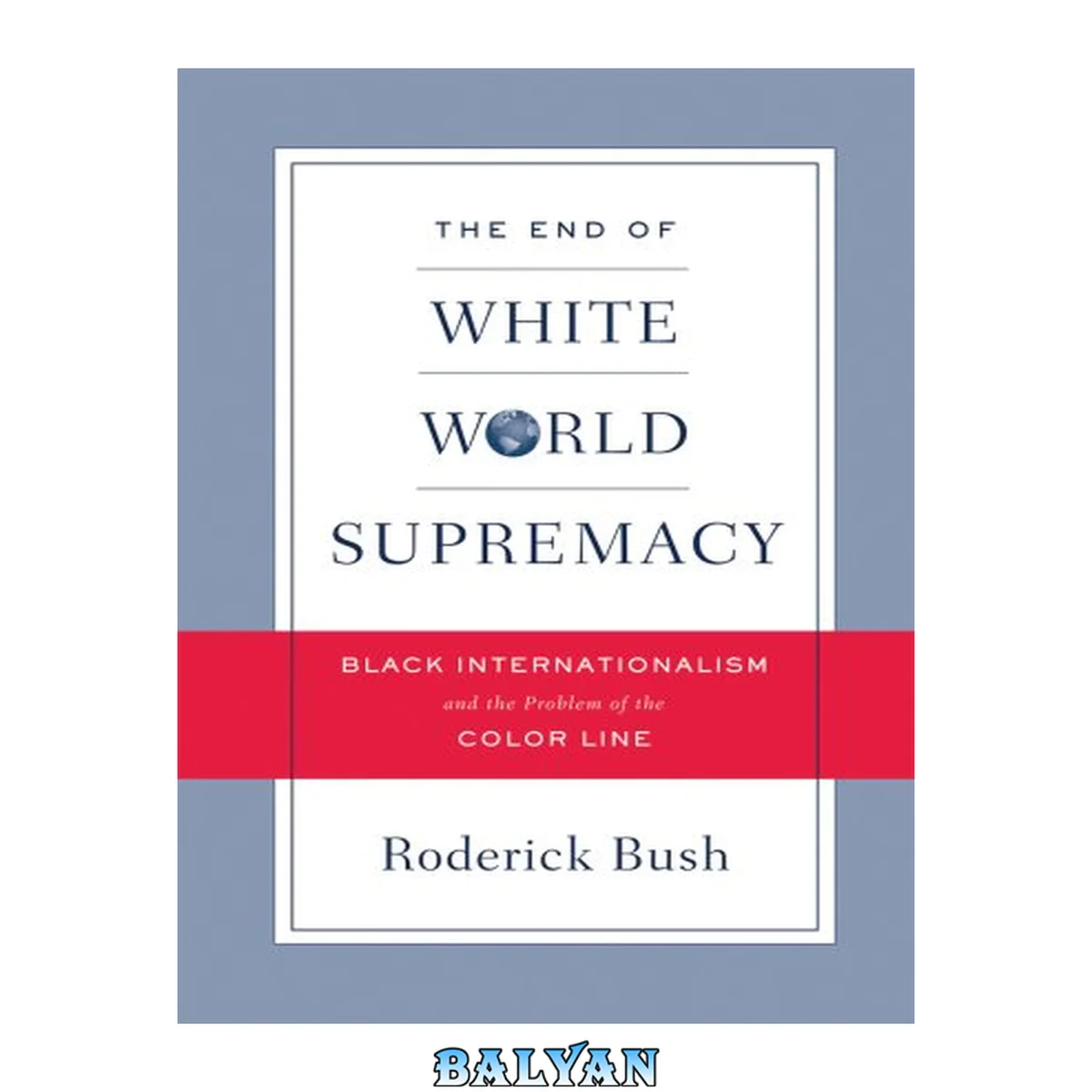
معرفی کتاب «The End of White World Supremacy : Black Internationalism and the Problem of the Color Line» نوشتهٔ Roderick D. Bush، منتشرشده توسط نشر Temple University Press ; [Combined Academic [distributor در سال 2009. این کتاب در فرمت pdf، زبان انگلیسی ارائه شده است.
The End of White World Supremacy explores a complex issue—integration of Blacks into White America—from multiple perspectives: within the United States, globally, and in the context of movements for social justice. Rod Bush locates himself within a tradition of African American activism that goes back at least to W.E.B. Du Bois. In so doing, he communicates between two literatures—world systems analysis and radical Black social movement history—and sustains the dialogue throughout the book. Bush explains how racial troubles in the U.S. are symptomatic of the troubled relationship between the white and dark worlds globally. Beginning with an account of white European dominance leading to capitalist dominance by White America, The End of White World Supremacy ultimately wonders whether, as Myrdal argued in the 1940s, the American creed can provide a pathway to break this historical conundrum and give birth to international social justice. The End of White World Supremacy explores a complex issue— integration of Blacks into White America—from multiple perspectives: within the United States, globally, and in the context of movements for social justice. Roderick Bush locates himself within a tradition of African American activism that goes back at least to W.E.B. Du Bois. In so doing, he communicates between two literatures—worldsystems analysis and radical Black social movement history—and sustains the dialogue throughout the book. Bush explains how racial troubles in the U.S. are symptomatic of the troubled relationship between the white and dark worlds globally. Beginning with an account of white European dominance leading to capitalist dominance by White America, The End of White World Supremacy ultimately wonders whether, as Myrdal argued in the 1940s, the American creed can provide a pathway to break this historical conundrum and give birth to international social justice. Introduction: The handwriting on the wall The peculiar internationalism of black nationalism The sociology of the color line : W.E.B. Du Bois and the end of white world supremacy The class first/race first debate : the contradictions of nationalism and internationalism and the stratification of the world-system Black feminism, intersectionality, and the critique of masculinist models of liberation The civil rights movement and the redemption of America Black power, the American dream, and the spirit of bandung : Malcolm X and Dr. Martin Luther King, Jr. in the age of world revolution Talking to black youth about political repression and government secrets : the African world within, racial capitalism, and American world hegemony. Introduction: The Handwriting On The Wall -- The Peculiar Internationalism Of Black Nationalism -- The Sociology Of The Color Line : W.e.b. Du Bois And The End Of White World Supremacy -- The Class-first, Race-first Debate : The Contradictions Of Nationalism And Internationalism And The Stratification Of The World-system -- Black Feminism, Intersectionality, And The Critique Of Masculinist Models Of Liberation -- The Civil Rights Movement And The Continuing Struggle For The Redemption Of America -- Black Power, The American Dream, And The Spirit Of Bandung : Malcolm X And Dr. Martin Luther King, Jr., In The Age Of World Revolution. Roderick D. Bush. Includes Bibliographical References And Index. Explores a complex issue - integration of Blacks into White America - from multiple perspectives: within the United States, globally, and in the context of movements for social justice. This book explains how racial troubles in the US are symptomatic of the troubled relationship between the white and dark worlds globally.
دانلود کتاب The End of White World Supremacy : Black Internationalism and the Problem of the Color Line