The end of empire in French West Africa : France's successful decolonization?
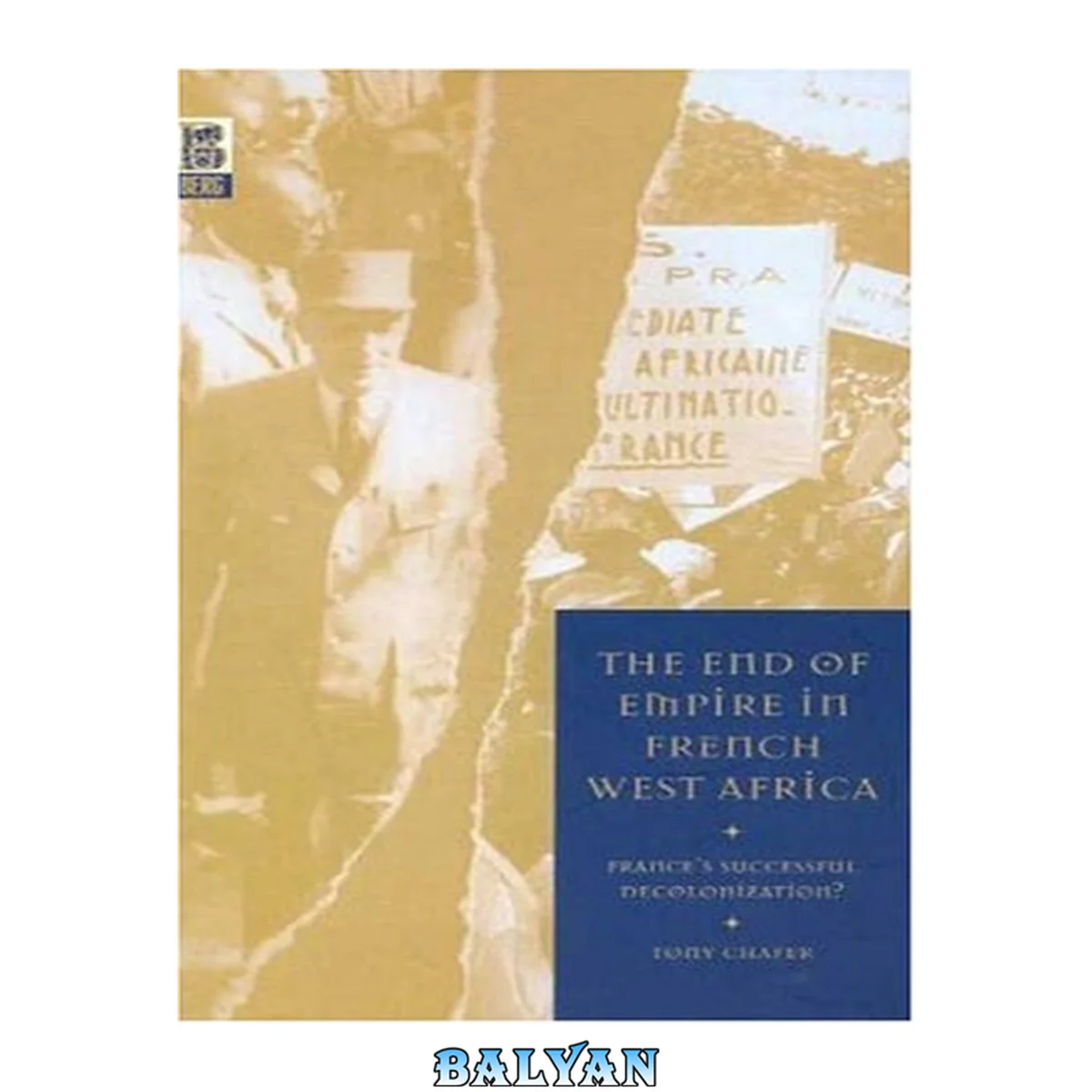
معرفی کتاب «The end of empire in French West Africa : France's successful decolonization?» نوشتهٔ Alexander Dugin و Tony Chafer، منتشرشده توسط نشر Berg Publishers در سال 2002. این کتاب در فرمت pdf، زبان انگلیسی ارائه شده است.
in An Effort To Restore Its World-power Status After The Humiliation Of Defeat And Occupation, France Was Eager To Maintain Its Overseas Empire At The End Of The Second World War. Yet Just Fifteen Years Later France Had Decolonized, And By 1960 Only A Few Small Island Territories Remained Under French Control. the Process Of Decolonization In Indochina And Algeria Has Been Widely Studied, But Much Less Has Been Written About Decolonization In France's Largest Colony, French West Africa. Here, The French Approach Was Regarded As Exemplary -- That Is, A Smooth Transition Successfully Managed By Well Intentioned French Politicians And Enlightened African Leaders. Overturning This Received Wisdom, Chafer Argues That The Rapid Unfurling Of Events After The Second World War Was A Complex , Piecemeal And Unpredictable Process, Resulting In A 'successful Decolonization' That Was Achieved Largely By Accident. At Independence, The Winners Assumed The Reins Of Political Power, While The Losers Were Often Repressed, Imprisoned Or Silenced. this Important Book Challenges The Traditional Dichotomy Between 'imperial' And 'colonial' History And Will Be Of Interest To Students Of Imperial And French History, Politics And International Relations, Development And Post-colonial Studies. In an effort to restore its world-power status after the humiliation of defeat and occupation, France was eager to maintain its overseas empire at the end of the Second World War. Yet just fifteen years later France had decolonized, and by 1960 only a few small island territories remained under French control.The process of decolonization in Indochina and Algeria has been widely studied, but much less has been written about decolonization in France's largest colony, French West Africa. Here, the French approach was regarded as exemplary -- that is, a smooth transition successfully managed by well intentioned French politicians and enlightened African leaders. Overturning this received wisdom, Chafer argues that the rapid unfurling of events after the Second World War was a complex , piecemeal and unpredictable process, resulting in a 'successful decolonization' that was achieved largely by accident. At independence, the winners assumed the reins of political power, while the losers were often repressed, imprisoned or silenced.This important book challenges the traditional dichotomy between 'imperial' and 'colonial' history and will be of interest to students of imperial and French history, politics and international relations, development and post-colonial studies. - Publisher. In an effort to restore its world-power status after the humiliation of defeat and occupation, France was eager to maintain its overseas empire at the end of the Second World War. Yet just fifteen years later France had decolonized, and by 1960 only a few small island territories remained under French control. The process of decolonization in Indochina and Algeria has been widely studied, but much less has been written about decolonization in France's largest colony, French West Africa. Here, the French approach was regarded as exemplary -- that is, a smooth transition successfully managed by well intentioned French politicians and enlightened African leaders. Overturning this received wisdom, Chafer argues that the rapid unfurling of events after the Second World War was a complex, piecemeal and unpredictable process, resulting in a 'successful decolonization' that was achieved largely by accident. At independence, the winners assumed the reins of political power, while the losers were often repressed, imprisoned or silenced. This important book challenges the traditional dichotomy between 'imperial' and 'colonial' history and will be of interest to students of imperial and French history, politics and international relations, development and post-colonial studies. - Publisher Preliminaries......Page 1 Contents......Page 7 Preface......Page 11 Glossary......Page 15 Introduction......Page 21 1 Prelude to Decolonization: The Popular Front and the Second World War......Page 47 2 New Political Context 1944 6......Page 75 3 Decolonization Through Assimilation: The Struggle for Emancipation 1946 50......Page 103 4 Building the Nationalist Movement 1950–6: The Trade Union Student and Youth Movements......Page 137 5 Policy and Politics 1950 6......Page 163 6 The Loi-cadre and the ‘Balkanization’ of French West Africa 1956 60......Page 183 7 Nationalist Politics and the Campaign......Page 213 Conclusion......Page 243 Chronology......Page 257 Bibliography......Page 263 Index......Page 277 Prelude to decolonization : the Popular Front and the Second World War New political context, 1944-6 Decolonization through assimilation : the struggle for emancipation, 1946-50 Building the nationalist movement, 1950-6 : the trade union, student and youth movements Policy and politics, 1950-6 The Loi-cadre and the 'Balkanization' of French West Africa, 1956-60 Nationalist politics and the campaign for independence, 1957-60 Conclusion : decolonization and the French colonial legacy.
دانلود کتاب The end of empire in French West Africa : France's successful decolonization?