The Archaeology of Personhood: An Anthropological Approach (Themes in Archaeology Series)
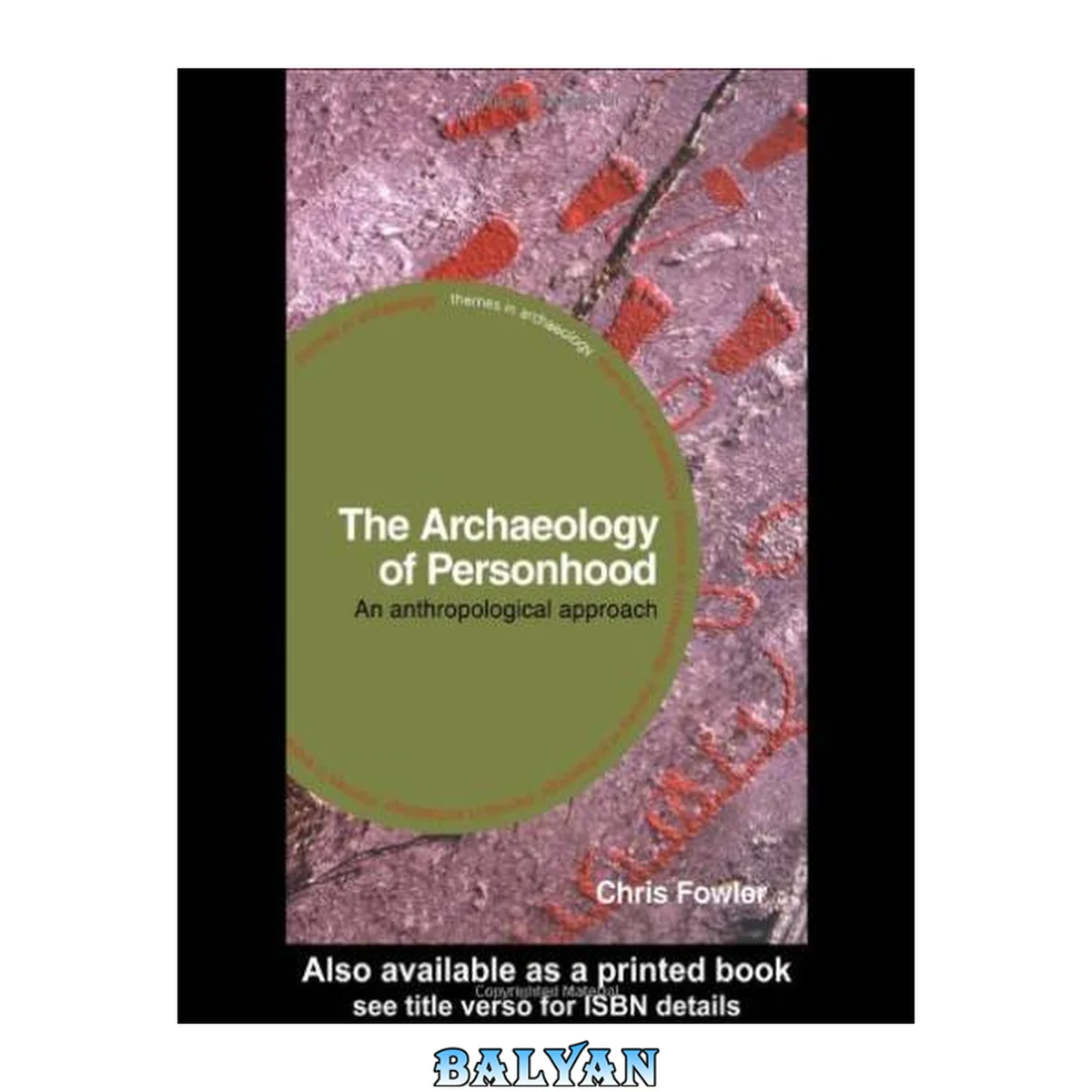
معرفی کتاب «The Archaeology of Personhood: An Anthropological Approach (Themes in Archaeology Series)» نوشتهٔ Chris Fowler; ProQuest (Firm)، منتشرشده توسط نشر Routledge در سال 2004. این کتاب در فرمت pdf، زبان انگلیسی ارائه شده است.
The Archaeology of Personhood discusses what it means to be human and, by drawing on examples from European prehistory, discusses the implications that contemporary understandings of personhood have on archaeological interpretation. Humanities BOOK COVER 1 HALF-TITLE 2 TITLE 4 COPYRIGHT 5 CONTENTS 6 ILLUSTRATIONS 7 PREFACE AND ACKNOWLEDGEMENTS 8 INTRODUCTION 9 Bodies, persons and the modern world 9 Peopling the past 11 Personhood beyond the individual 11 The structure of this book 13 1 THE INDIVIDUAL IN THE ARCHAEOLOGICAL IMAGINATION 15 Imagining individuals 15 Atlas of the individual: the body, the mind and the soul 15 Individual, world and society: the emergence of the indivisible individual 15 Individuality and individualism 17 The individual as a construct 18 Moving beyond the construct 18 Archaeological routes 18 The value of ethnographic constructs 19 Conclusion 20 2 PERSONHOOD AND IDENTITY 22 Personhood and relationships beyond individuality: dividuality, partibility and permeability 22 Dividual personhood in India 22 Dividual and partible personhood in Melanesia 23 Permeable personhood in India 27 Reconciling trends in dividual and individual personhood 28 The production of personhood 30 Bodies and social technologies 30 Strategic interactions: negotiating personhood alongside other features of identity 32 Gendering and personhood 32 Age and personhood 34 Personhood, caste and religion 34 Summary: personhood, identity and context 35 Moving up a scale: fractal personhood 35 Fractal personhood in Melanesia 36 Fractal Hindu personhood 37 Fractals and representation 37 Conclusion 38 3 PERSONHOOD, EXCHANGE AND ARTEFACTS 39 Introduction 39 Gifts: objects as parts of people 39 Exchange and gifts 40 Objects mediate exchange 40 Commodities and the sacred 42 Objects as people 42 Archaeology, gifts and partible personhood 45 Biography and inalienable objects 45 Partibility and fragmentation 46 Composite objects and the reintegration of parts 48 Interpreting personhood from material statements: ambiguous relations 50 Conclusion 51 4 PERSONHOOD, DEATH AND TRANSFORMATION 52 The ritual process 52 Mortuary practice and the transformation of the person 53 The death of the modern individual: a historical perspective 53 Death and the transformation of the aspects of the person: the fate of dividual and partible persons 56 Death as sacrifice and cosmogony: transformation of the Hindu person 59 Summary: modes of personhood, ways of death 60 Contesting death 61 Why death is not an inversion of life, but part of the social negotiation of life 61 Conclusion 62 5 BODIES, SUBSTANCES AND COMMUNITY 64 Introduction 64 Bodies and the transmission of substance 64 Substance, form and the public body 64 Substance and the emergence of the indivisible body 65 Transmission of substance as descent 66 Transmission of substances in ongoing relations 67 Metaphor and fractals: human bodies alongside others 68 Unmediated exchange, dividuality, and the transmission of substance 69 Substances, objects and personhood in European prehistory 70 Transmission of qualities and relationships with the non-human 73 Animals and other natural things as persons: body, form and relationship 73 Naturalism, totemism and animism 74 Predation, protection and reciprocity: attitudes towards others and means of acquiring substance 77 Conclusion 78 6 PERSONHOOD IN LATER MESOLITHIC SCANDINAVIA 79 Introduction 79 Setting the scene 79 Locating the Ertebølle 79 Mortuary practices as transformations 80 Material culture and body parts 82 Tracing relations 83 Composite objects and reconfigured relationships 83 Paths, tasks and places 84 Closer interpretations? Analogy, context and the direct historical approach 85 Patterns in Ertebølle personhood 87 Humans and animals 87 Articulating identities and relational personhood 89 Personhood and social strategies: gender and age 90 Death 91 Attitude 91 Conclusion 92 CONCLUSION 93 Introduction 93 From ethnographic basis to archaeological framework 93 Personhood, agency and individuals 94 Ambiguity, personhood, community and cosmos 95 Personhood and the archaeological imagination 96 REFERENCES 97 INDEX 107 BOOK COVER......Page 1 HALF-TITLE......Page 2 TITLE......Page 4 COPYRIGHT......Page 5 CONTENTS......Page 6 ILLUSTRATIONS......Page 7 PREFACE AND ACKNOWLEDGEMENTS......Page 8 Bodies, persons and the modern world......Page 9 Personhood beyond the individual......Page 11 The structure of this book......Page 13 Individual, world and society: the emergence of the indivisible individual......Page 15 Individuality and individualism......Page 17 Archaeological routes......Page 18 The value of ethnographic constructs......Page 19 Conclusion......Page 20 Dividual personhood in India......Page 22 Dividual and partible personhood in Melanesia......Page 23 Permeable personhood in India......Page 27 Reconciling trends in dividual and individual personhood......Page 28 Bodies and social technologies......Page 30 Gendering and personhood......Page 32 Personhood, caste and religion......Page 34 Moving up a scale: fractal personhood......Page 35 Fractal personhood in Melanesia......Page 36 Fractals and representation......Page 37 Conclusion......Page 38 Gifts: objects as parts of people......Page 39 Objects mediate exchange......Page 40 Objects as people......Page 42 Biography and inalienable objects......Page 45 Partibility and fragmentation......Page 46 Composite objects and the reintegration of parts......Page 48 Interpreting personhood from material statements: ambiguous relations......Page 50 Conclusion......Page 51 The ritual process......Page 52 The death of the modern individual: a historical perspective......Page 53 Death and the transformation of the aspects of the person: the fate of dividual and partible persons......Page 56 Death as sacrifice and cosmogony: transformation of the Hindu person......Page 59 Summary: modes of personhood, ways of death......Page 60 Why death is not an inversion of life, but part of the social negotiation of life......Page 61 Conclusion......Page 62 Substance, form and the public body......Page 64 Substance and the emergence of the indivisible body......Page 65 Transmission of substance as descent......Page 66 Transmission of substances in ongoing relations......Page 67 Metaphor and fractals: human bodies alongside others......Page 68 Unmediated exchange, dividuality, and the transmission of substance......Page 69 Substances, objects and personhood in European prehistory......Page 70 Animals and other natural things as persons: body, form and relationship......Page 73 Naturalism, totemism and animism......Page 74 Predation, protection and reciprocity: attitudes towards others and means of acquiring substance......Page 77 Conclusion......Page 78 Locating the Ertebølle......Page 79 Mortuary practices as transformations......Page 80 Material culture and body parts......Page 82 Composite objects and reconfigured relationships......Page 83 Paths, tasks and places......Page 84 Closer interpretations? Analogy, context and the direct historical approach......Page 85 Humans and animals......Page 87 Articulating identities and relational personhood......Page 89 Personhood and social strategies: gender and age......Page 90 Attitude......Page 91 Conclusion......Page 92 From ethnographic basis to archaeological framework......Page 93 Personhood, agency and individuals......Page 94 Ambiguity, personhood, community and cosmos......Page 95 Personhood and the archaeological imagination......Page 96 REFERENCES......Page 97 INDEX......Page 107 The Archaeology Of Personhood Examines The Characteristics That Define A Person As A Category Of Being, Highlights How Definitions Of Personhood Are Culturally Variable And Explores How That Variation Is Connected To Human Uses Of Material Culture. Applying An Anthropological Approach To Detailed Case Studies From European Prehistoric Archaeology, The Book Explores The Connection Between People, Animals, Objects And Their Societies And Environments; It Also Investigates The Relationship That Jointly Produce Bodies, Persons, Communities And Artefacts. Bringing Together A Wealth Of Research In Social And Cultural Anthropology, Philosophy And Related Fields, This Is The First Book To Address The Contribution That An Understanding Of Personhood Can Make To Our Interpretations Of The Past.--book Jacket. 1. Individual In The Archaeological Imagination -- 2. Personhood And Identity : Theoretical Frameworks -- 3. Personhood, Exchange And Artefacts -- 4. Personhood, Death And Transformation -- 5. Bodies, Substances And Community -- 6. Personhood In Later Mesolithic Scandinavia : An Interpretation -- Conclusion : Relational Personhood In Context. Chris Fowler. Includes Bibliographical References (p. 162-178) And Index. Bringing together a wealth of research in social and cultural anthropology, philosophy and related fields, this is the first book to address the contribution that an understanding of personhood can make to our interpretations of the past Applying an anthropological approach to detailed case studies from European prehistoric archaeology, the book explores the connection between people, animals, objects, their societies and environments and investigates the relationship that jointly produces bodies, persons, communities and artefacts. The Archaeology of Personhood examines the characteristics that define a person as a category of being, highlights how definitions of personhood are culturally variable and explores how that variation is connected to human uses of material culture.
دانلود کتاب The Archaeology of Personhood: An Anthropological Approach (Themes in Archaeology Series)