The Annotated Uncle Tom's Cabin
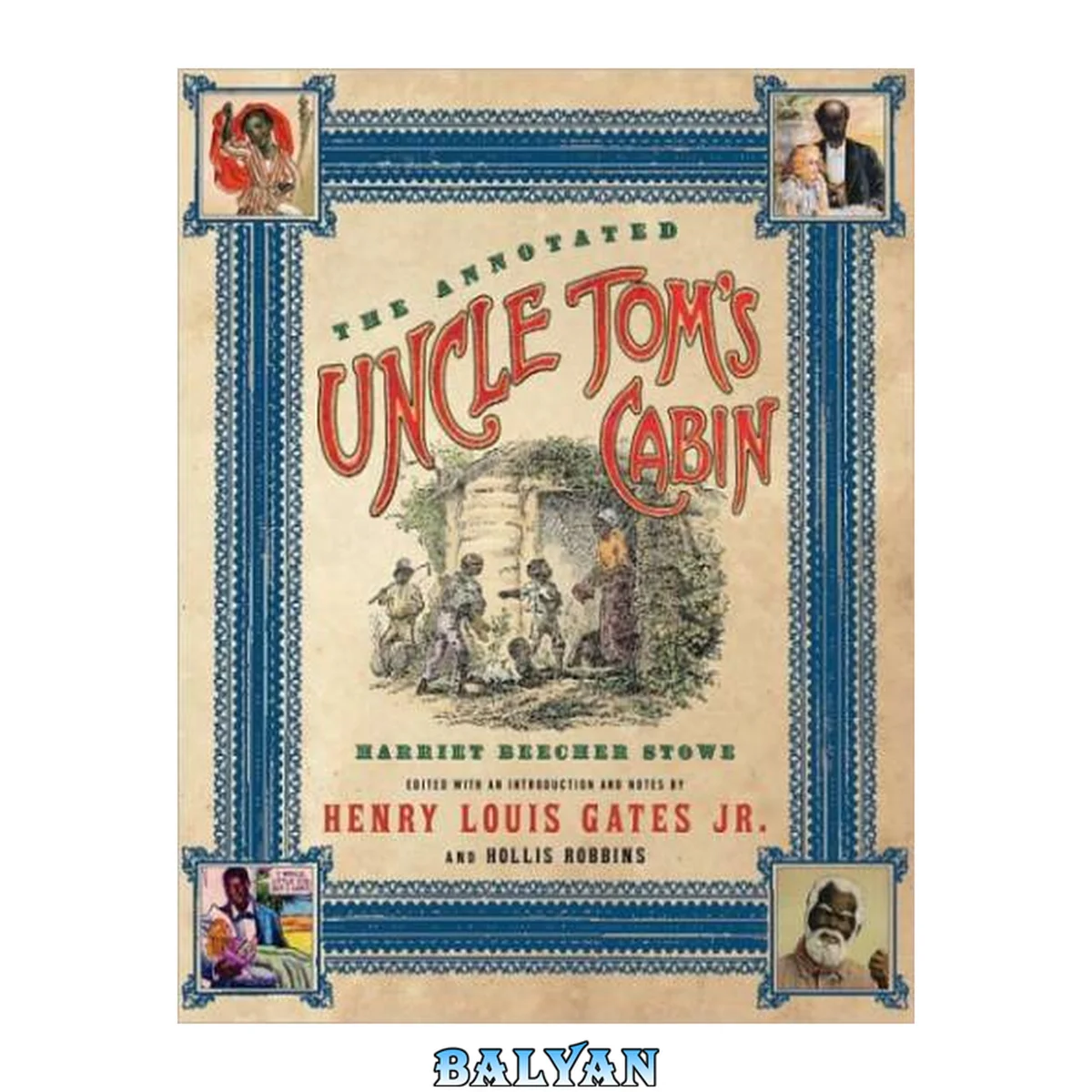
معرفی کتاب «The Annotated Uncle Tom's Cabin» نوشتهٔ Caroline Peckham، Susanne Valenti و Stowe, Harriet, Beecher، منتشرشده توسط نشر Barnes & Noble Classics در سال 2007. این کتاب در فرمت epub، زبان انگلیسی ارائه شده است.
Uncle Tom's Cabin, by Harriet Beecher Stowe, is part of the Barnes & Noble Classics series, which offers quality editions at affordable prices to the student and the general reader, including new scholarship, thoughtful design, and pages of carefully crafted extras. Here are some of the remarkable features of Barnes & Noble Classics:
- New introductions commissioned from today's top writers and scholars
- Biographies of the authors
- Chronologies of contemporary historical, biographical, and cultural events
- Footnotes and endnotes
- Selective discussions of imitations, parodies, poems, books, plays, paintings, operas, statuary, and films inspired by the work
- Comments by other famous authors
- Study questions to challenge the reader's viewpoints and expectations
- Bibliographies for further reading
- Indices & Glossaries, when appropriate
Nearly every young author dreams of writing a book that will literally change the world. A few have succeeded, and Harriet Beecher Stowe is such a marvel. Although the American anti-slavery movement had existed at least as long as the nation itself, Stowe’s Uncle Tom’s Cabin (1852) galvanized public opinion as nothing had before. The book sold 10,000 copies in its first week and 300,000 in its first year. Its vivid dramatization of slavery’s cruelties so aroused readers that it is said Abraham Lincoln told Stowe her work had been a catalyst for the Civil War.
Today the novel is often labeled condescending, but its characters—Tom, Topsy, Little Eva, Eliza, and the evil Simon Legree—still have the power to move our hearts. Though “Uncle Tom” has become a synonym for a fawning black yes-man, Stowe’s Tom is actually American literature’s first black hero, a man who suffers for refusing to obey his white oppressors. Uncle Tom’s Cabin is a living, relevant story, passionate in its vivid depiction of the cruelest forms of injustice and inhumanity—and the courage it takes to fight against them.
Amanda Claybaugh is Assistant Professor of English and Comparative Literature at Columbia University.
This unforgettable novel tells the story of Tom, a devoutly Christian slave who chooses not to escape bondage for fear of embarrassing his master. However, he is soon sold to a slave trader and sent down the Mississippi, where he must endure brutal treatment. This is a powerful tale of the extreme cruelties of slavery, as well as the price of loyalty and morality. When first published, it helped to solidify the anti-slavery sentiments of the North, and it remains today as the book that helped move a nation to civil war. "So this is the little lady who made this big war." Abraham Lincoln's legendary comment upon meeting Mrs. Stowe has been seriously questioned, but few will deny that this work fed the passions and prejudices of countless numbers. If it did not "make" the Civil War, it flamed the embers. That Uncle Tom's Cabin is far more than an outdated work of propaganda confounds literary criticism. The novel's overwhelming power and persuasion have outlived even the most severe of critics. As Professor John William Ward of Amherst College points out in his incisive Afterword, the dilemma posed by Mrs. Stowe is no less relevant today than it was in 1852: What is it to be "a moral human being"? Can such a person live in society -- any society? Commenting on the timeless significance of the book, Professor Ward writes: "Uncle Tom's Cabin is about slavery, but it is about slavery because the fatal weakness of the slave's condition is the extreme manifestation of the sickness of the general society, a society breaking up into discrete, atomistic individuals where human beings, white or black, can find no secure relation one with another. Mrs. Stowe was more radical than even those in the South who hated her could see. Uncle Tom's Cabin suggests no less than the simple and terrible possibility that society has no place in it for love." - Back cover.Declared worthless and dehumanizing by James Baldwin in 1949, Uncle Tom's Cabin has lacked literary credibility for fifty years. Now, in a ringing refutation of Baldwin, Henry Louis Gates Jr. demonstrates the literary transcendence of Harriet Beecher Stowe's masterpiece. Uncle Tom's Cabin, first published in 1852, galvanized the American public as no other work of fiction has ever done. The editors animate pre-Civil War life with rich insights into the lives of slaves, abolitionists, and the American reading public. Examining the lingering effects of the novel, they provide new insights into emerging race-relation, women's, gay, and gender issues. With reproductions of rare prints, posters, and photographs, this book is also one of the most thorough anthologies of Uncle Tom images up to the present day.
Presents an annotated version of Harriet Beecher Stowe's classic novel "Uncle Tom's Cabin" that describes the lives of slaves and abolitionists in the 1800s, historical discussions of the Underground Railroad, slave trade, and plantation life, and advertisements that were influenced by the novel Uncle Tom's master sells him, separating him from his wife, and he becomes attached to the gentle daughter of his new owner, but after her death, he is sold to the evil Simon Legree The story of American slavery and Uncle Tom, an African-American man who never lost his dignity under the most inhumane circumstances. Henry Louis Gates Jr. redefines Uncle Tom's Cabin with this seminal interpretation of the great American novel.