The age of entanglement : when quantum physics was reborn
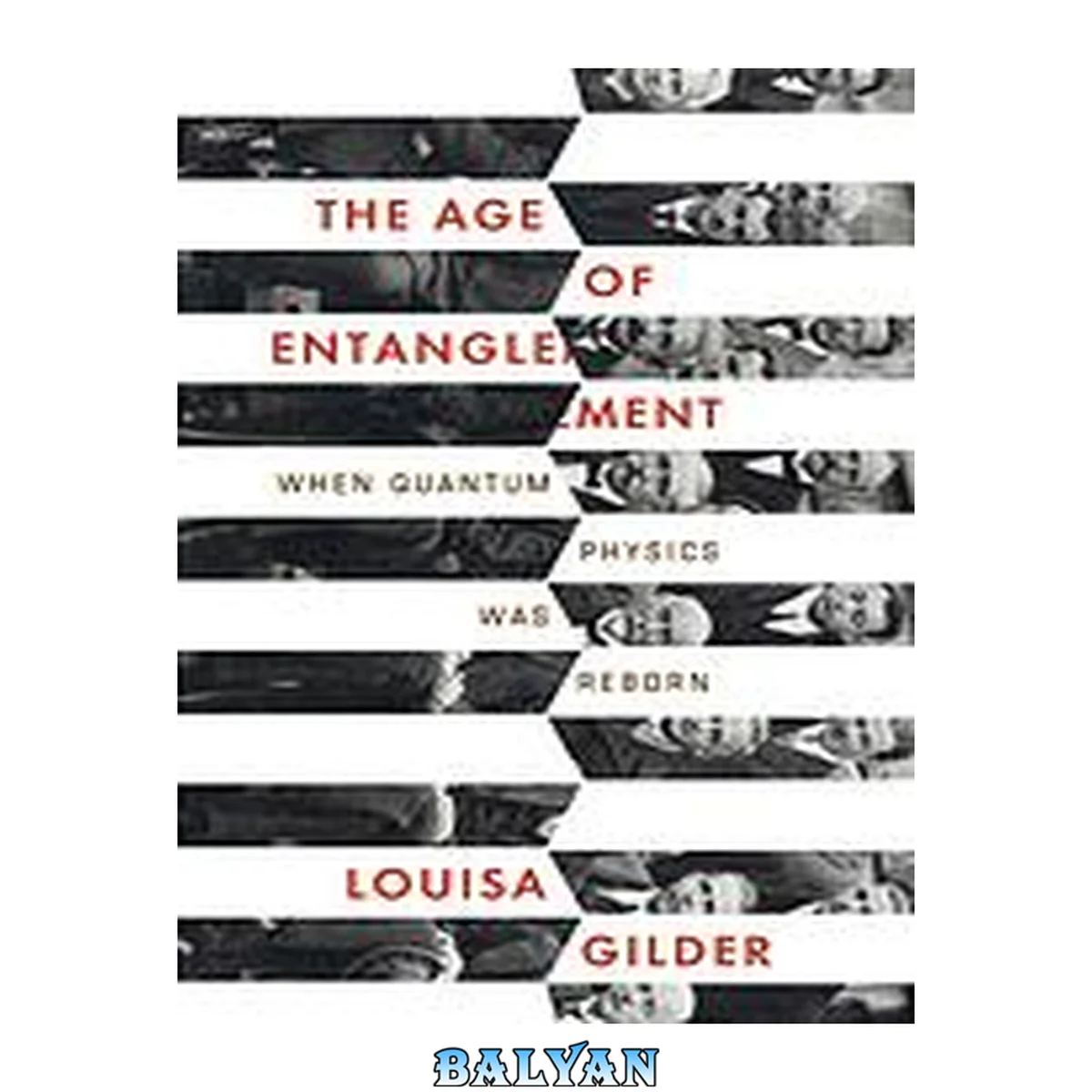
معرفی کتاب «The age of entanglement : when quantum physics was reborn» نوشتهٔ Laszlo Krasznahorkai، George Szirtes و Gilder, Louisa، منتشرشده توسط نشر Alfred A. Knopf : Vintagebooks در سال 2008. این کتاب در فرمت pdf، زبان انگلیسی ارائه شده است.
in the Age Of Entanglement, Louisa Gilder Brings To Life One Of The Pivotal Debates In Twentieth Century Physics. In 1935, Albert Einstein Famously Showed That, According To The Quantum Theory, Separated Particles Could Act As If Intimately Connected–a Phenomenon Which He Derisively Described As “spooky Action At A Distance.” In That Same Year, Erwin Schrödinger Christened This Correlation “entanglement.” Yet Its Existence Was Mostly Ignored Until 1964, When The Irish Physicist John Bell Demonstrated Just How Strange This Entanglement Really Was. Drawing On The Papers, Letters, And Memoirs Of The Twentieth Century’s Greatest Physicists, Gilder Both Humanizes And Dramatizes The Story By Employing The Scientists’ Own Words In Imagined Face-to-face Dialogues. The Result Is A Richly Illuminating Exploration Of One Of The Most Exciting Concepts Of Quantum Physics.
publishers Weekly
the Story Of Quantum Mechanics And Its Lively Cast Of Supporters, Heretics And Agnostics Has Always Fascinated Science Historians And Popular Science Readers. Gilder's Version Differs From The Familiar Tale In Two Important Ways. First, By Focusing On The Problem Of Entanglement-the Supposed Telepathic Connection Between Particles That A Skeptical Einstein Called Spooky Action-at-a-distance-gilder Includes More Recent Developments Leading To Quantum Computing And Quantum Cryptography. Second, Gilder Exercises-not Wholly Successfully-a Daring Creative License, Drawing Excerpts From Papers, Journals And Letters To Construct Dialogues Among The Scientists. Science Is Rooted In Conversations, Werner Heisenberg Once Wrote, And Gilder's Created Conversations Reveal Personalities As Well As Thought Processes: Do You Really Believe The Moon Is Not There If No One Looks? Asks Einstein. Less Comfortable Aspects Of The Era Are Also Part Of Gilder's Story, The Uncertainty And Fear As One Scientist After Another Fled Nazi Germany, The Paranoia Of The Manhattan Project And The Mccarthy Era. Gilder's History Is Rife With Curious Characters And Dramatizes How Difficult It Was For Even These Brilliant Scientists To Grasp The Paradigm-changing Concepts Of Quantum Science. 20 Illus., 15 By The Author. (nov. 12)
copyright © Reed Business Information, A Division Of Reed Elsevier Inc. All Rights Reserved. A brilliantly original and richly illuminating exploration of entanglement, the seemingly telepathic communication between two separated particlesone of the fundamental concepts of quantum physics. In 1935, in what would become the most cited of all of his papers, Albert Einstein showed that quantum mechanics predicted such a correlation, which he dubbed spooky action at a distance. In that same year, Erwin Schrdinger christened this spooky correlation entanglement. Yet its existence wasnt firmly established until 1964, in a groundbreaking paper by the Irish physicist John Bell. What happened during those years and what has happened since to refine the understanding of this phenomenon is the fascinating story told here. We move from a coffee shop in Zurich, where Einstein and Max von Laue discuss the madness of quantum theory, to a bar in Brazil, as David Bohm and Richard Feynman chat over cervejas . We travel to the campuses of American universitiesfrom J. Robert Oppenheimers Berkeley to the Princeton of Einstein and Bohm to Bells Stanford sabbaticaland we visit centers of European Copenhagen, home to Bohrs famous institute, and Munich, where Werner Heisenberg and Wolfgang Pauli picnic on cheese and heady discussions of electron orbits. Drawing on the papers, letters, and memoirs of the twentieth centurys greatest physicists, Louisa Gilder both humanizes and dramatizes the story by employing their own words in imagined face-to-face dialogues. Here are Bohr and Einstein clashing, and Heisenberg and Pauli deciding which mysteries to pursue. We see Schrdinger and Louis de Broglie pave the way for Bell, whose work is here given a long-overdue revisiting. And with his characteristic matter-of-fact eloquence, Richard Feynman challenges his contemporaries to make something of this entanglement. In The Age of Entanglement, Louisa Gilder brings to life one of the pivotal debates in twentieth century physics. In 1935, Albert Einstein famously showed that, according to the quantum theory, separated particles could act as if intimately connected–a phenomenon which he derisively described as “spooky action at a distance.” In that same year, Erwin Schrödinger christened this correlation “entanglement.” Yet its existence was mostly ignored until 1964, when the Irish physicist John Bell demonstrated just how strange this entanglement really was. Drawing on the papers, letters, and memoirs of the twentieth century's greatest physicists, Gilder both humanizes and dramatizes the story by employing the scientists'own words in imagined face-to-face dialogues. The result is a richly illuminating exploration of one of the most exciting concepts of quantum physics. A study of one of the fundamental concept of quantum physics examines the strange correlation between two separated particles, entitled "entanglement" by physicist John Bell, drawing on the work of leading physicists to explain the phenomenon. Content: The arguments 1909-1935 -- The search and the indictment 1940-1952 -- The discovery 1952-1979 -- Entanglement comes of age 1981-2005.