سوئد پس از نازیسم: سیاست و فرهنگ در پی جنگ جهانی دوم
Sweden After Nazism : Politics and Culture in the Wake of the Second World War
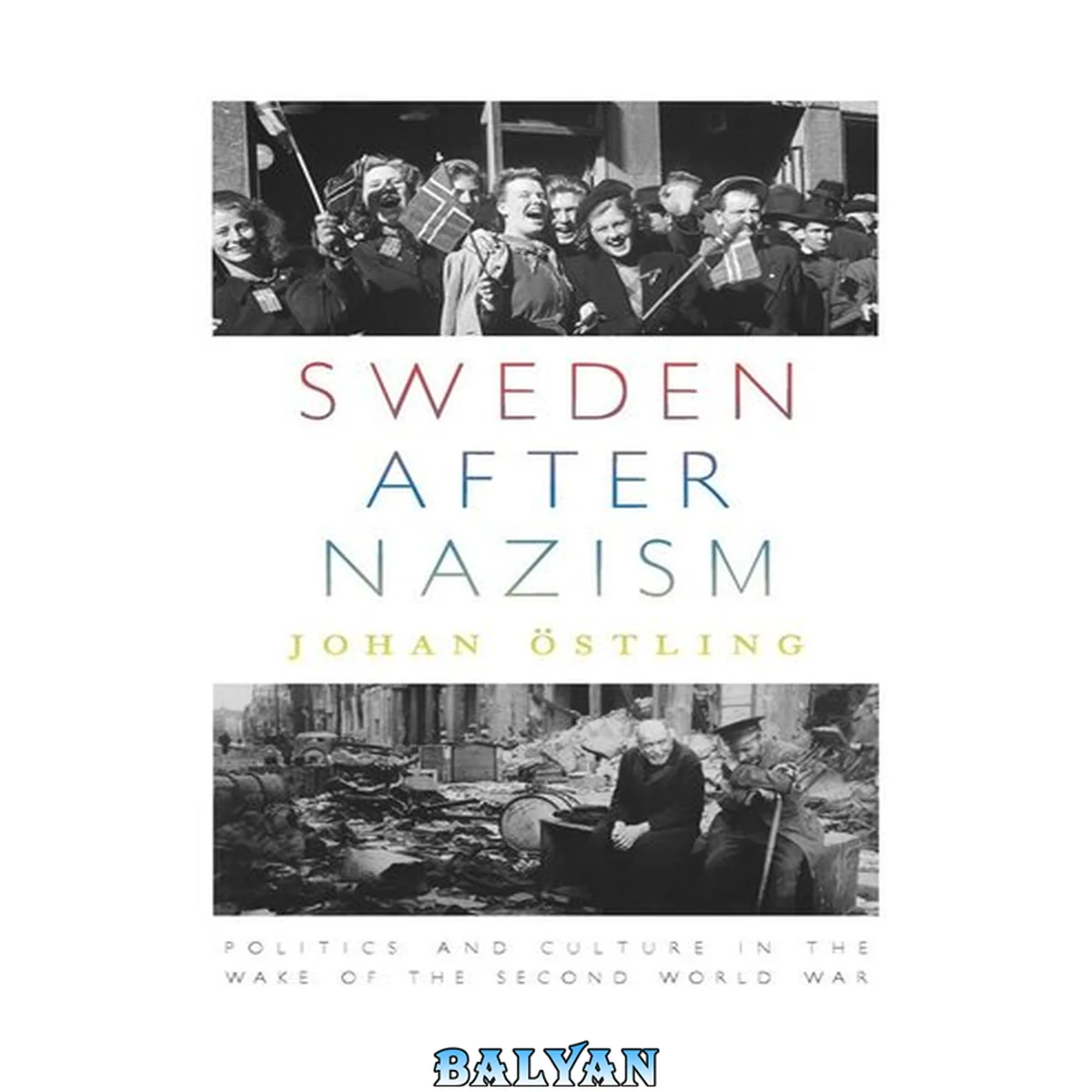
معرفی کتاب «سوئد پس از نازیسم: سیاست و فرهنگ در پی جنگ جهانی دوم» (با عنوان لاتین Sweden After Nazism : Politics and Culture in the Wake of the Second World War) نوشتهٔ Johan Östling; translated by Peter Graves، منتشرشده توسط نشر Berghahn Books در سال 2016. این کتاب در فرمت pdf، زبان انگلیسی ارائه شده است.
Translated by Peter Graves. As a nominally neutral power during the Second World War, Sweden in the early postwar era has received comparatively little attention from historians. Nonetheless, as this definitive study shows, the war—and particularly the specter of Nazism—changed Swedish society profoundly. Prior to 1939, many Swedes shared an unmistakable affinity for German culture, and even after the outbreak of hostilities there remained prominent apologists for the Third Reich. After the Allied victory, however, Swedish intellectuals reframed Nazism as a discredited, distinctively German phenomenon rooted in militarism and Romanticism. Accordingly, Swedes’ self-conception underwent a dramatic reformulation. From this interplay of suppressed traditions and bright dreams for the future, postwar Sweden emerged. As a nominally neutral power during the Second World War, Sweden in the early postwar era has received comparatively little attention from historians. Nonetheless, as this definitive study shows, the war - and particularly the specter of Nazism - changed Swedish society profoundly. As a nominally neutral power during the Second World War, Sweden in the early postwar era has received comparatively little attention from historians. Nonetheless, as this definitive study shows, the war-and particularly the specter of Nazism-changed Swedish society profoundly. Prior to 1939, many Swedes shared an unmistakable affinity for German culture, and even after the outbreak of hostilities there remained prominent apologists for the Third Reich. After the Allied victory, however, Swedish intellectuals reframed Nazism as a discredited, distinctively German phenomenon rooted in militarism and Romanticism. Accordingly, Swedes' self-conception underwent a dramatic reformulation. From this interplay of suppressed traditions and bright dreams for the future, postwar Sweden emerged "As a nominally neutral power during the Second World War, Sweden in the early postwar era has received comparatively little attention from historians. Nonetheless, as this definitive study shows, the war...and particularly the specter of Nazism...changed Swedish society profoundly. Prior to 1939, many Swedes shared an unmistakable affinity for German culture, and even after the outbreak of hostilities there remained prominent apologists for the Third Reich. After the Allied victory, however, Swedish intellectuals reframed Nazism as a discredited, distinctively German phenomenon rooted in militarism and Romanticism. Accordingly, Swedes' self-conception underwent a dramatic reformulation. From this interplay of suppressed traditions and bright dreams for the future, postwar Sweden emerged"...From publisher's website Contents Acknowledgements Prologue: A Sword of Damocles over the Age in Which We Live 1 Nazism and the Twentieth Century 2 The Experience of Nazis 3 Nazism as Stigma 4 The Ideas of 1945 5 German Autumn 6 The Lessons of Nazism Index Prologue: A sword of Damocles over the age in which we live I. Nazism and the twentieth century II. The experience of Nazism III. Nazism as stigma IV. The ideas of 1945 V. German autumn VI. The lessons of Nazism Index of persons.
دانلود کتاب سوئد پس از نازیسم: سیاست و فرهنگ در پی جنگ جهانی دوم