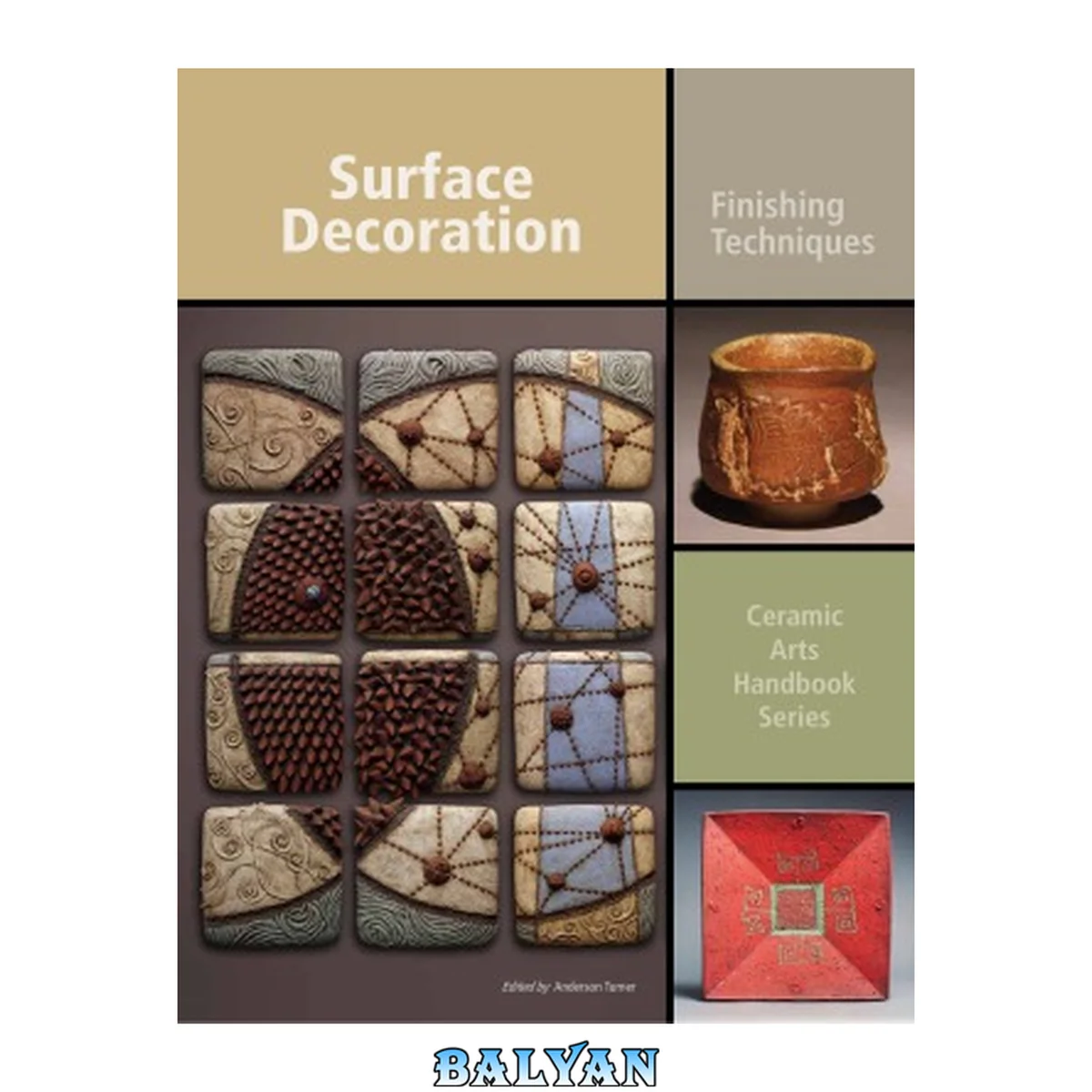
Surface Decoration Finishing Techniques (Ceramic Arts Handbook)
معرفی کتاب «Surface Decoration Finishing Techniques (Ceramic Arts Handbook)» نوشتهٔ Robert S. Gibbons و edited by Anderson Turner، منتشرشده توسط نشر American Ceramics Society در سال 2008. این کتاب در فرمت pdf، زبان انگلیسی ارائه شده است.
وقتی یک سفالگر از مرحلهی شکلدهیِ اثر خود فراتر میرود، دنیای شگفتانگیزی از تکنیکهای تزئین سطح در انتظار اوست تا بتواند هویت و خلاقیت خود را به نمایش بگذارد. کتاب «Surface Decoration: Finishing Techniques» که به ویرایش «اندرسون ترنر» (Anderson Turner) در مجموعهی «Ceramic Arts Handbook» منتشر شده است، یک راهنمای جامع و تصویری برای سفالگران و هنرمندان سرامیک است تا به کمک تکنیکهای متنوع و الهامبخش، آثار خود را از یک شیء ساده به یک اثر هنری منحصربهفرد تبدیل کنند. این کتاب با گردآوری تجربیات سی تن از هنرمندان معاصر و خلاق این عرصه، منبعی غنی برای کشف روشهای نوین در تزئین سطح آثار سفالین است.
دربارهی کتاب «Surface Decoration: Finishing Techniques»
این کتاب یک مجموعهی عملی و کاربردی است که به سفالگران کمک میکند تا از پالت رنگی محدودِ لعابهای ساده و یکنواخت فاصله گرفته و به دنیایی از تکنیکهای ابداعی گام بگذارند. یکی از نقاط قوت این کتاب، پوشش تکنیکها در تمام مراحل فرآیند سفالگری است؛ از زمانی که اثر هنوز خام است و شکل داده میشود، تا مرحلهی چرمسخت (leather-hard)، بعد از پخت بیسکوییت (bisque) و حتی پس از پخت نهایی لعاب. این رویکرد جامع به هنرمند اجازه میدهد تا در هر مرحله، با توجه به ویژگیهای اثر خود، مناسبترین روش تزئینی را انتخاب کند. سبک کتاب مبتنی بر آموزش عملی و نمایشی است، بهگونهای که هر تکنیک توسط یکی از هنرمندان مطرح حوزهی سرامیک معرفی و تشریح میشود. برای مثال، در این مجموعه میتوان با روش «ویلیام شین» (William Shinn) برای خلق نقوش تکرارشونده با مهرهای غلتان (Rolling Stamps) آشنا شد و یا نحوهی خلق بافتی شبیه به زمین خشکشده با گرم کردن و کشیدن گل را از «اریک سریتلا» (Eric Serritella) آموخت. همچنین، راهنمای گامبهگام «وین بیتس» (Wayne Bates) برای تکنیک «سگرافیتو» (Sgraffito) و روشهای «رایان مک کرلی» (Ryan McKerley) و «راجر گراهام» (Roger Graham) برای حکاکی سطح با استفاده از موم و آب، از دیگر بخشهای جذاب این کتاب است.
دربارهی ویراستار
این کتاب توسط «اندرسون ترنر» (Anderson Turner) گردآوری و ویرایش شده است. اطلاعات دقیقی دربارهی پیشینهی حرفهی او در دسترس نیست، اما نقش او بهعنوان گردآورنده و ویراستار این مجموعه و نیز سایر کتابهای مجموعهی «Ceramic Arts Handbook» نشاندهندهی تخصص و آشنایی عمیق او با مباحث هنر سرامیک و نیازهای آموزشی سفالگران است.
چرا باید «Surface Decoration: Finishing Techniques» را بخوانید؟
مطالعهی این کتاب میتواند افقهای جدیدی را پیش روی هنرمندان سفالگر بگشاید و مهارتهای آنها را به سطح بالاتری ارتقا دهد. در ادامه به برخی از مهمترین دلایل پرداخته شده است:
آشنایی با طیف گستردهای از تکنیکهای تزئین سطح: این کتاب اطلاعات جامعی دربارهی روشهایی مانند لعابکاری، نقشبرجستهسازی (embossing)، سگرافیتو، نقاشی با قلممو، چاپ، ایجاد پتینه، مهرزنی، برچسب (دکال)، استفاده از لعابهای رنگی، مقاومسازی (resist)، دوغابرنگ (slip)، نقاشی چینی، شابلونکاری و حتی پرداختهای ساختگی (faux finishes) ارائه میدهد.
یادگیری از هنرمندان مطرح و خلاق معاصر: این کتاب گردآوریای از تجربیات و روشهای سی هنرمند نوآور است که هرکدام رویکرد منحصربهفرد خود را برای تزئین سطح به اشتراک میگذارند.
قابلیت استفاده در تمام مراحل ساخت اثر: تکنیکهای ارائهشده در کتاب در مراحل مختلف، از حالت خام تا پخت نهایی، قابل اجرا هستند و این انعطافپذیری، آن را به منبعی ارزشمند تبدیل کرده است.
ارائهی دستورالعملهای گامبهگام و الهامبخش: برخی از هنرمندان در این کتاب، آموزشهای دقیق و مرحلهبهمرحله ارائه دادهاند و برخی دیگر، تجربیات و روشهای موفق خود را در قالبی روایی و الهامبخش شرح دادهاند.
الهامبخشی برای خلق آثاری منحصربهفرد: با مطالعهی روشهای مختلف، هنرمند میآموزد که چگونه با ترکیب تکنیکها و ایدهپردازی، اثری کاملاً شخصی و بدیع خلق کند.
این کتاب برای چه کسانی مناسب است؟
«Surface Decoration: Finishing Techniques» منبعی ایدهآل برای طیف گستردهای از علاقهمندان به هنر سرامیک است. این کتاب هم برای هنرمندان تازهکاری که به دنبال یادگیری اصول اولیهی تزئین سطح هستند، بسیار مفید خواهد بود و هم برای سفالگران با تجربهای که به دنبال تکنیکهای جدید و خلاقانه برای خروج از روزمرگی و افزودن ارزش هنری بیشتر به آثار خود هستند. همچنین، مدرسان و معلمان هنر نیز میتوانند از ایدهها و روشهای متنوع این کتاب برای غنیسازی برنامههای آموزشی خود بهره ببرند. با توجه به اینکه کتاب به زبان انگلیسی است، برای هنرمندان فارسیزبان مسلط به این زبان نیز میتواند منبعی ارزشمند و کاربردی باشد.
سوالات متداول
آیا این کتاب برای مبتدیان نیز مناسب است؟
بله، این کتاب با ارائهی توضیحات جامع و گاهی گامبهگام، برای هنرمندان تازهکار نیز قابل استفاده است و میتواند به عنوان یک مرجع آموزشی در کنار تمرین عملی مورد استفاده قرار گیرد. همچنین، مرور آثار هنرمندان مختلف، برای مبتدیان بسیار الهامبخش خواهد بود.
آیا کتاب صرفاً بر روی تکنیکهای لعابکاری متمرکز است؟
خیر، این کتاب بسیار فراتر از لعابکاری رفته و طیف گستردهای از تکنیکها را پوشش میدهد که شامل روشهای پیش و پس از لعاب نیز میشود. از مهرزنی و چاپ گرفته تا ایجاد پتینه و استفاده از برچسب، همگی در این کتاب پوشش داده شدهاند.
آیا تکنیکهای این کتاب به تجهیزات خاص و گرانقیمت نیاز دارند؟
در حالی که برخی تکنیکها ممکن است به ابزارهای تخصصی نیاز داشته باشند، بسیاری از روشهای معرفیشده، از جمله سگرافیتو، نقاشی با دوغاب، و حکاکی، با ابزارهای ساده و در دسترس قابل اجرا هستند. کتاب به دنبال معرفی روشهایی با سطوح مختلف پیچیدگی و هزینه است.
Book Description: When potters are ready to go beyond dipping, pouring and brushing the same palette of glazes onto their work, they'll find the alternatives to surface decoration offered here to be an excellent jumping-off point. In this collection, thirty of the most innovative and talented contemporary ceramic artists share the techniques and processes that make their work unique and expressive. Surface Decoration: Finishing Techniques covers techniques at all stages of the ceramic process, including forming, leather-hard, bisque and even after the final glaze firing. Artists discuss their working styles and tools; some provide detailed step-by-step instructions, while others discuss their successes and trials in broader terms. You'll find information on glazes and glazing, recipes, embossing, graffito, brushwork, printing, patinas, roulettes, stamping, decals, stains, resists, slips, china painting, stencils, faux finishes, and more. Here's a small sampling of what you'll find: William Shinn shows you how to create repeating designs with Rolling Stamps. With the increased interest in hand built, press-molded and extruded forms, the possibilities for texturing flat surfaces with rolling stamps on a larger scale can be more thoroughly explored. Eric Serritella heats clay and stretches it to create a texture that looks like dried parched earth in Unearthing Beauty: Pushing the Limits of Surface. Sgraffito comes from the Italian word graffito meaning to scratch, and Wayne Bates does more than scratch the surface with this informative tutorial on the tips and techniques of getting the best results in Scratching the Surface: A Guide to Sgraffito. In Color and Texture: Creative Bits and Pieces, crush your dry scraps then pick up the pieces. Hanna Lore Hombordy crushes various colored clay bodies and rolls them into a surface. Etching the surface is another way to get a great effect. Ryan McKerley uses a Wax and Water technique and Roger Graham demonstrates using wax resist and water in his Resist and Mist technique. Russel Fouts offers his Piece de Resistance techniques for using resists to alter fired surfaces. Danville Chadbourne shows how you can get Indoor/Outdoor Color from both glazes and paints. With an explosion of quick darting movements, Choi Sung-Jae creates his Expressive Slip Drawings in white slip with his fingers, frayed rope, cloth and rounded wooden sticks. Mitch Lyons' A Marriage of Ceramics and Printmaking leads you to harmony and balance with the best of two media. Mitch brushes colored clay slip onto a 25-year old slab of clay to prepare for pulling monoprints. Paul Wandless uses his skills in printmaking to carve printing blocks and uses colored slips to transfer the images to clay instead of paper in Printing and Embossing with Linocuts. When you need the detail only a decal process can offer, you may want to try Brendan Tang's technique for No-Fire Decals. The inexpensive and easy-to-use materials may just be the ticket that sets your work apart. Carol Gouthro shows what Mastering the Surface is all about. Her slip-cast and handbuilt creations are richly embellished with slips, stains, underglazes, glazes and lusters. Within Mary Barringer's work, there is a balance, or rather a tension, between form and function, texture and line, color and image, hard and soft, warm and cool. Conversing with the Surface is her hallmark and she shares 15 of her successful glazes for you to get started. Fusing Clay and Dichroic Glass reveals colors not found anywhere else. Dichroic glass is glass coated with a thin film of metallic oxides which have been vaporized by an electronic beam. The result of this space age technology produces remarkable colors Unearthing beauty : pushing the limits of surface / Eric Serritella Color and texture : creative bits and pieces / Hanna Lore Hombordy Ellen Currans : textured slabs / Ginger Steele David Gamble : texture from sewer covers / Paul Andrew Wandless Rolling stamps / William Shinn Sprigs from nature / Judi Munn Anne Fløche : inspired by terra sigillata / Lise Lotte Nielsen Scratching the surface : a guide to sgraffito / Wayne Bates Surface etching : wax and water / Ryan McKerley Surface etching : resist and mist / Roger Graham Pièce de résistance / Russel Fouts Creating a weathered patina / Dennis Maust Chris Gryder : surfaces from silt / Dori DeCamillis Marcy Neiditz : transformation and mutation / Amy Norgaard Creating faux surfaces / Billie Mitchell Building complex surfaces with multiple firings / Nicole Copel. Danville Chadbourne : indoor/outdoor color / Jim LaVilla Havelin Dust and wax / Philippe Faraut Choi Sung-Jae : expressive slip drawings / Phil Rogers Mitch Lyons : a marriage of ceramics and printmaking / Lisa McVey Printing and embossing with linocuts / Paul Andrew Wandless Using stencils for multi-color decoration / Paul Andrew Wandless Relief printing with photosensitive polymer plates / Paul Andrew Wandless Majolica madness / David Gamble Bridget Cherie Harper : visual diaries / Paul Lewing Black on white : modernizing mimbres decoration / Tracy P. Gamble No-fire decals / Brendan Tang Darren Emenau : lichen surfaces / Mandy Ginson Lee Akins : intricate surfaces / Rafael Molina-Rodriguez Tea and friskets / Frank James Fisher Carol Gouthro : mastering the surface / Judy Wagonfeld Mary Barringer : conversing with the surface / Leigh Taylor Mickelson Fusing clay and dichroic glass / Alfred Spivack. Unearthing beauty : pushing the limits of surface / Eric Serritella Color and texture : creative bits and pieces / Hanna Lore Hombordy Ellen Currans : textured slabs / Ginger Steele Davide Gamble : texture from sewer covers / Paul Andrew Wandless Rolling stamps / William Shinn Sprigs from nature / Judi Munn Anne Fløche : inspired by terra sigillata / Lise Lotte Nielsen Scratching the surface : a guide to sgraffito / Wayne Bates Surface etching : wax and water / Ryan McKerley Surface etching : resist and mist / Roger Graham Pièce de résistance / Russel Fouts Creating a weathered patina / Dennis Maust Chris Gryder : surfaces from silt / Dori De Camillis Marcy Neiditz : transformation and mutation / Amy Norgaard Creating faux surfaces / Billie Mitchell Building complex surfaces with multiple firings / Nicole Copel. Danville Chadbourne : indoor/outdoor color / Jim LaVilla Havelin Dust and wax / Philippe Faraut Choi Sung-Jae : expressive slip drawings / Phil Rogers Mitch Lyons : a marriage of ceramics and printmaking / Lisa McVey Printing and embossing with linocuts / Paul Andrew Wandless Relief printing with photosensitive polymer plates / Paul Andrew Wandless Majolica madness / David Gamble Bridget Cherie Harper : visual diaries / Paul Lewing Black on white : modernizing mimbres decoration / Tracy P. Gamble No-fire decals / Brendan Tang Darren Emenau : lichen surfaces / Mandy Ginson Lee Akins : intricate surfaces / Rafael Molina-Rodriguez Tea and friskets / Frank James Fisher Carol Gouthro : mastering the surface / Judy Wagonfeld Mary Barringer : conversing with the surface / Leigh Taylor Mickelson Fusing clay and dichroic glass / Alfred Spivack. SURFACE DECORATION: Finishing Techniques: You can be creative with surface techniques at every stage of the ceramic process. Thirty artists discuss their inspiration, working styles and tools, providing detailed step-by-step instructions. You'll find information on glazes and glazing, recipes, embossing, sgraffito, brushwork, printing, patinas, roulettes, stamping, decals, stains, resists, slips, china painting, stencils, faux finishes, and more.