Special Effects and German Silent Film : Techno-Romantic Cinema
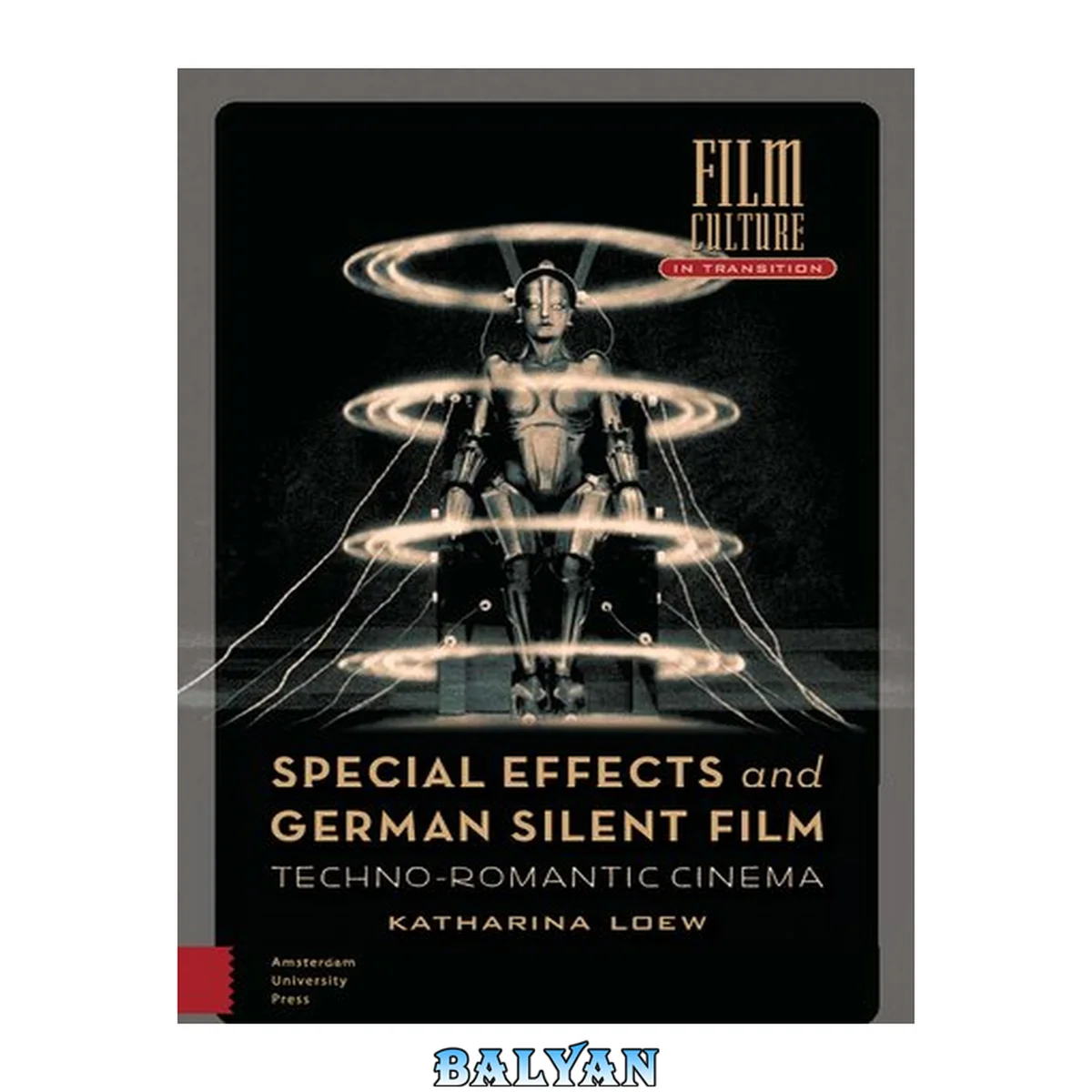
معرفی کتاب «Special Effects and German Silent Film : Techno-Romantic Cinema» نوشتهٔ Katharina Loew، منتشرشده توسط نشر Amsterdam University Press در سال 2021. این کتاب در فرمت pdf، زبان انگلیسی ارائه شده است.
One of the most famous special-effects sequences in the history of cinema is the robot's anthropogenesis in Metropolis. The scene has become an emblem for the astonishing technical and aesthetic achievements of German filmmakers. Not only did special effects shape the look of many iconic films, they are also central to a comprehensive understanding of German silent film culture. Employed to visualize ideas and emotions in a medium-specific way, special effects demonstrated technology's creativity and ability to transcend physical reality. By so doing, they played a decisive role in the evolution of cinematic expressivity. Special effects embody "techno-romantic" lines of thought, a concept that describes efforts to harness technology, the epitome of modern materialism, for the purpose of accessing a spiritual realm. While special effects have been mainly considered as spectacles or practical tools to date, this book foregrounds their function as an artistic device. In recent decades, special effects have become a major new area of research in cinema studies. For the most part, they have been examined as spectacles or practical tools. In contrast, 'Special Effects and German Silent Film' foregrounds their function as an expressive device and their pivotal role in cinema's emergence as a full-fledged art. Special effects not only shaped the look of iconic films like "Nosferatu" (1922) or "Metropolis" (1927), but they are central to a comprehensive understanding of German silent film culture writ large. This book examines special effects as the embodiment of a "techno-romantic" paradigm that seeks to harness technology - the epitome of modern materialism - as a means for accessing a spiritual realm. Employed to visualize ideas and emotions in a medium-specific way, special effects thus paved the way for film art Cover -- Table Of Contents -- Acknowledgements -- Introduction: Special Effects And The Techno-romantic Paradigm -- 1. Imagining Technological Art: Early German Film Theory -- 2. Modern Magicians: Guido Seeber And Eugen Schüfftan -- 3. The Uncanny Mirror: Der Student Von Prag (1913) -- 4. Visualizing The Occult: Nosferatu (1922) -- 5. The Technological Sublime: Metropolis (1927) -- 6. German Technique And Hollywood -- Conclusion: Techno-romantic Cinema From The Silent To The Digital Era -- Bibliography -- Index Katharina Loew. Electronic Reproduction. Baltimore, Md Available Via World Wide Web. Table of Contents 6 Acknowledgements 8 Introduction: Special Effects and the Techno-Romantic Paradigm 10 1. Imagining Technological Art: Early German Film Theory 34 2. Modern Magicians: Guido Seeber and Eugen Schüfftan 68 3. The Uncanny Mirror: Der Student von Prag (1913) 114 4. Visualizing the Occult: Nosferatu (1922) 146 5. The Technological Sublime: Metropolis (1927) 186 6. “German Technique” and Hollywood 228 Conclusion: Techno-Romantic Cinema from the Silent to the Digital Era 274 Bibliography 280 Index 310
دانلود کتاب Special Effects and German Silent Film : Techno-Romantic Cinema