علم سل-ژل: فیزیک و شیمی فرآیند سل-ژل
Sol-Gel Science : The Physics and Chemistry of Sol-Gel Processing
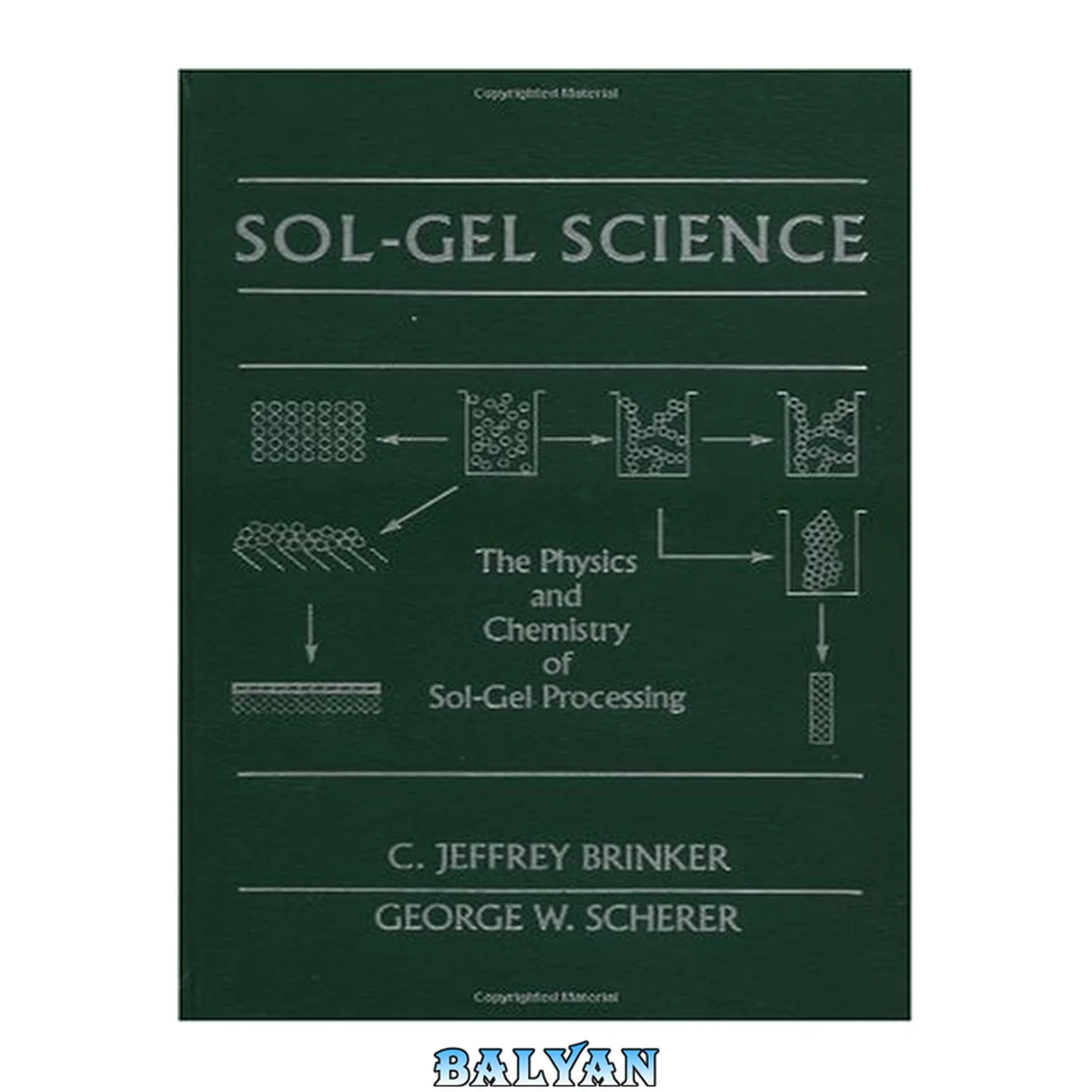
معرفی کتاب «علم سل-ژل: فیزیک و شیمی فرآیند سل-ژل» (با عنوان لاتین Sol-Gel Science : The Physics and Chemistry of Sol-Gel Processing) نوشتهٔ C. Jeffrey Brinker, George W. Scherer، منتشرشده توسط نشر Academic Press در سال 1990. این کتاب در 7 صفحه، فرمت pdf، زبان انگلیسی ارائه شده است.
در قلمرو علم مواد، کتاب «Sol-Gel Science: The Physics and Chemistry of Sol-Gel Processing» نوشتهٔ سی. جفری برینکر (C. Jeffrey Brinker) و جرج دبلیو. شرر (George W. Scherer)، به عنوان مرجعی بنیادین و جامع شناخته میشود که برای بیش از سه دهه، منبعی بیبدیل برای پژوهشگران و دانشجویان این حوزه بوده است. این اثر با نگاهی عمیق و همهجانبه به فیزیک و شیمی فرآیند سل-ژل، نه تنها مبانی نظری این فناوری را تشریح میکند، بلکه مسیر پیشرفتهای بعدی در این شاخه از علم را نیز هموار ساخته است.
دربارهٔ کتاب علم سل-ژل: فیزیک و شیمی فرآیند سل-ژل
موضوع اصلی این کتاب، ارائهٔ اصول فیزیکی و شیمیایی حاکم بر فرآیند سل-ژل است که روشی برای تولید مواد سرامیکی از پیشمادههای مولکولی (Molecular Precursors) محسوب میشود. نویسندگان با تعریفی گسترده از این فرآیند، آن را شامل سه مرحلهٔ اصلی میدانند: تهیهٔ سل (سوسپانسیون کلوئیدی)، ژلشدن سل، و حذف حلال از ژل به دست آمده. کتاب با تأکید بر علم پشت صحنهٔ این فناوری، جزئیات کامل واکنشهای شیمیایی و تحولات فیزیکی را از ابتدا تا انتهای فرآیند شرح میدهد. ایدهٔ محوری و رویکرد ساختاریافتهٔ کتاب، آن را به منبعی ایدهآل برای مطالعهٔ گامبهگام تبدیل کرده است. هر یک از فصلهای کتاب به طور مشخص به یکی از مراحل کلیدی فرآیند اختصاص دارد: از مقدمهای بر تاریخچه و اصطلاحات پایه، تا بحث تفصیلی دربارهٔ هیدرولیز و چگالش برای سیستمهای سیلیکاتی و غیرسیلیکاتی، تئوریهای ژلشدن، فرایند پیری، خشکشدن، تف جوشی (Sintering) و در نهایت کاربردهای متنوع لایههای نازک و مواد حجیم. این ساختار منسجم، کتاب را هم برای مطالعهٔ پیدرپی و هم برای مراجعهٔ مقطعی به مباحث خاص، مناسب ساخته است.دربارهٔ نویسنده
سی. جفری برینکر، پژوهشگر برجستهٔ آزمایشگاههای ملی ساندیا (Sandia National Laboratories) و دانشگاه نیومکزیکو، به دلیل کارهای پیشگامانهاش در شیمی سل-ژل شناخته میشود. تحقیقات اولیهٔ او بر فرآوری شیشههای بسیار نسوز مانند سیلیس مذاب در دماهای پایینتر از روشهای متداول متمرکز بود و سپس به ساخت مواد متخلخل برای کاربردهایی نظیر پوششهای ضدبازتاب، حسگرها و غشاها پرداخت. جرج دبلیو. شرر، استاد گروه مهندسی عمران و محیط زیست در دانشگاه پرینستون و عضو آکادمی ملی مهندسی آمریکا، پیشتر عضو تیم تحقیقاتی شرکت کورنینگ (Corning Glass Works) و دوپون (DuPont) بوده است. تخصص او در زمینهٔ خشککردن ژلها و تحلیل تنش در مواد ویسکوالاستیک، نقش اساسی در تکمیل این مرجع داشته است. همافزایی تخصص این دو دانشمند، کتاب «Sol-Gel Science» را به اثری بدیع و تأثیرگذار تبدیل کرده است که به عنوان پربسامدترین مرجع در این حوزه رو به رشد شناخته میشود.چرا باید علم سل-ژل: فیزیک و شیمی فرآیند سل-ژل را بخوانید؟
مطالعهٔ این کتاب، دریچهای نو به سوی درک بنیادین و عملی از یکی از مهمترین فناوریهای علم مواد میگشاید و مزایای منحصربهفردی را برای خواننده به ارمغان میآورد:- مرجعی جامع و بنیادین: این کتاب به عنوان «کتاب مرجع ضروری بر روی میز کار هر شیمیدان سل-ژل» توصیف شده است و مباحث آن چنان بنیادین هستند که با وجود گذشت سالها، همچنان یکی از پربسامدترین مراجع در متون و مقالات علمی محسوب میشود.
- ساختاری گامبهگام و آموزشی: چیدمان فصلها به ترتیب مراحل فرآیند سل-ژل، از واکنش تا خشکشدن و تفجوشی، به خواننده امکان میدهد تا بهترتیب و بهطور سیستماتیک با تمامی جوانب این فناوری آشنا شود.
- تلفیق فیزیک و شیمی: این اثر با پوشش همزمان اصول شیمیایی (نظیر واکنشهای هیدرولیز و چگالش) و مباحث فیزیکی (مانند مکانیک خشکشدن و تئوری تفجوشی)، درک کاملی از پیچیدگیهای فرآیند سل-ژل ارائه میدهد.
- کاربرد گسترده در فناوریهای پیشرفته: مباحث کتاب پایهگذار درک فناوریهایی چون ساخت فیبرهای نوری، پوششهای ضدبازتاب، حسگرها، غشاها و مواد با ساختار نانو است که توسط نویسنده اصلی، برینکر، به طور ویژه مورد پژوهش قرار گرفتهاند.
- اعتبار علمی بینظیر: این کتاب حاصل همکاری دو تن از برجستهترین دانشمندان این حوزه (برینکر و شرر) است که هر یک تأثیر عمیقی بر پیشرفت علم مواد داشتهاند و این اثر به عنوان یکی از دستاوردهای اصلی آنها شناخته میشود.
این کتاب برای چه کسانی مناسب است؟
مخاطبان اصلی این کتاب، دانشجویان تحصیلات تکمیلی (کارشناسی ارشد و دکتری)، پژوهشگران و متخصصان شاغل در حوزهٔ علم مواد، شیمی، مهندسی سرامیک، و فناوری نانو هستند که به دنبال درک عمیقی از اصول بنیادین فرآیند سل-ژل میگردند. با وجود تمرکز بر علم پایه، این کتاب برای هر کسی که در صنایع مرتبط با شیشه، سرامیک، پوششدهی و ساخت مواد نانوساختار فعالیت میکند، منبعی بسیار ارزشمند محسوب میشود.سوالات متداول
آیا کتاب «علم سل-ژل» با وجود قدمت، هنوز منبعی بهروز محسوب میشود؟
بله، با وجود اینکه این کتاب در سال ۱۹۹۰ منتشر شده است، مباحث بنیادین و اصول علمی ارائهشده در آن چنان با ارزش هستند که هنوز به عنوان پربسامدترین منبع مرجع در این حوزه شناخته میشود و بسیاری آن را کتابی ضروری بر روی میز کار متخصصان میدانند. هرچند که پژوهشهای جدیدتر ممکن است بر روی کاربردهای معاصرتر مانند نانوتکنولوژی متمرکز باشند، اما درک پایهای از این کتاب برای پیشرفت در این زمینهها حیاتی است.
آیا این کتاب برای مطالعهٔ شخصی و خودآموز مناسب است یا صرفاً به عنوان کتاب درسی دانشگاهی کاربرد دارد؟
این کتاب هم به عنوان یک کتاب درسی جامع برای دورههای دانشگاهی طراحی شده و هم به عنوان یک منبع مرجع برای پژوهشگران حرفهای قابل استفاده است. ساختار منسجم و گامبهگام آن، مطالعهٔ پیدرپی را برای علاقهمندان جدید امکانپذیر میسازد و در عین حال، فصول مستقل آن، مراجعهٔ سریع متخصصان به مباحث خاص را تسهیل میکند.
آیا این کتاب به فناوری ساخت فیلمهای نازک با روش سل-ژل نیز پرداخته است؟
بله، با توجه به اهمیت بالای تهیهٔ فیلمهای نازک در فناوری سل-ژل، یک فصل کامل از کتاب (فصل ۱۳) به مبانی فیزیکی تشکیل فیلم اختصاص داده شده است. همچنین کاربردهای متنوع این فیلمها در فصل چهاردهم به طور خلاصه مرور شده است.
The book emphasizes the science behind sol-gel processing with a chapter devoted to applications. The first chapter introduces basic terminology, provides a brief historical sketch, and identifies some excellent texts for background reading. Chapters 2 and 3 discuss the mechanisms of hydrolysis and condensation for nonsilicate and silicate systems. Chapter 4 deals with stabilization and gelation of sols. Chapter 5 reviews theories of gelation and examines the predicted and observed changes in the properties of a sol in the vicinity of the gel point. Chapter 6 describes the changes in structure and properties that occur during aging of a gel in its pore liquor (or some other liquid). The discussion of drying is divided into two parts, with the theory concentrated in Chapter 7 and the phenomenology in Chapter 8. The structure of dried gels is explored in Chapter 9. Chapter 10 shows the possibility of using the gel as a substrate for chemical reactions or of modifying the bulk composition of the resulting ceramic by performing a surface reaction (such as nitridation) on the gel. Chapter 11 reviews the theory and practice of sintering, describing the mechanisms that govern densification of amorphous and crystalline materials, and showing the advantages of avoiding crystallization before sintering is complete. The properties of gel-derived and conventional ceramics are discussed in Chapter 12. The preparation of films is such an important aspect of sol-gel technology that the fundamentals of film formation are treated at length in Chapter 13. Films and other applications are briefly reviewed in Chapter 14.
Materials scientists and researchers in the field of sol-gel processing will find the book invaluable. Sol-Gel Science: The Physics and Chemistry of Sol-Gel Processing presents the physical and chemical principles of the sol-gel process. The book emphasizes the science behind sol-gel processing with a chapter devoted to applications. The first chapter introduces basic terminology, provides a brief historical sketch, and identifies some excellent texts for background reading. Chapters 2 and 3 discuss the mechanisms of hydrolysis and condensation for nonsilicate and silicate systems. Chapter 4 deals with stabilization and gelation of sols. Chapter 5 reviews theories of gelation and examines the predicted and observed changes in the properties of a sol in the vicinity of the gel point. Chapter 6 describes the changes in structure and properties that occur during aging of a gel in its pore liquor (or some other liquid). The discussion of drying is divided into two parts, with the theory concentrated in Chapter 7 and the phenomenology in Chapter 8. The structure of dried gels is explored in Chapter 9. Chapter 10 shows the possibility of using the gel as a substrate for chemical reactions or of modifying the bulk composition of the resulting ceramic by performing a surface reaction (such as nitridation) on the gel. Chapter 11 reviews the theory and practice of sintering, describing the mechanisms that govern densification of amorphous and crystalline materials, and showing the advantages of avoiding crystallization before sintering is complete. The properties of gel-derived and conventional ceramics are discussed in Chapter 12. The preparation of films is such an important aspect of sol-gel technology that the fundamentals of film formation are treated at length in Chapter 13. Films and other applications are briefly reviewed in Chapter 14. Materials scientists and researchers in the field of sol-gel processing will find the book invaluable. Presents the physical and chemcial principles of the sol-gel process of ceramic preparation, at a level suitable for graduate students and practitioners in the field