بردهداری با نامی دیگر: بردگی مجدد سیاهپوستان آمریکایی از جنگ داخلی تا جنگ جهانی دوم
Slavery by Another Name : The Re-Enslavement of Black Americans From the Civil War to World War II
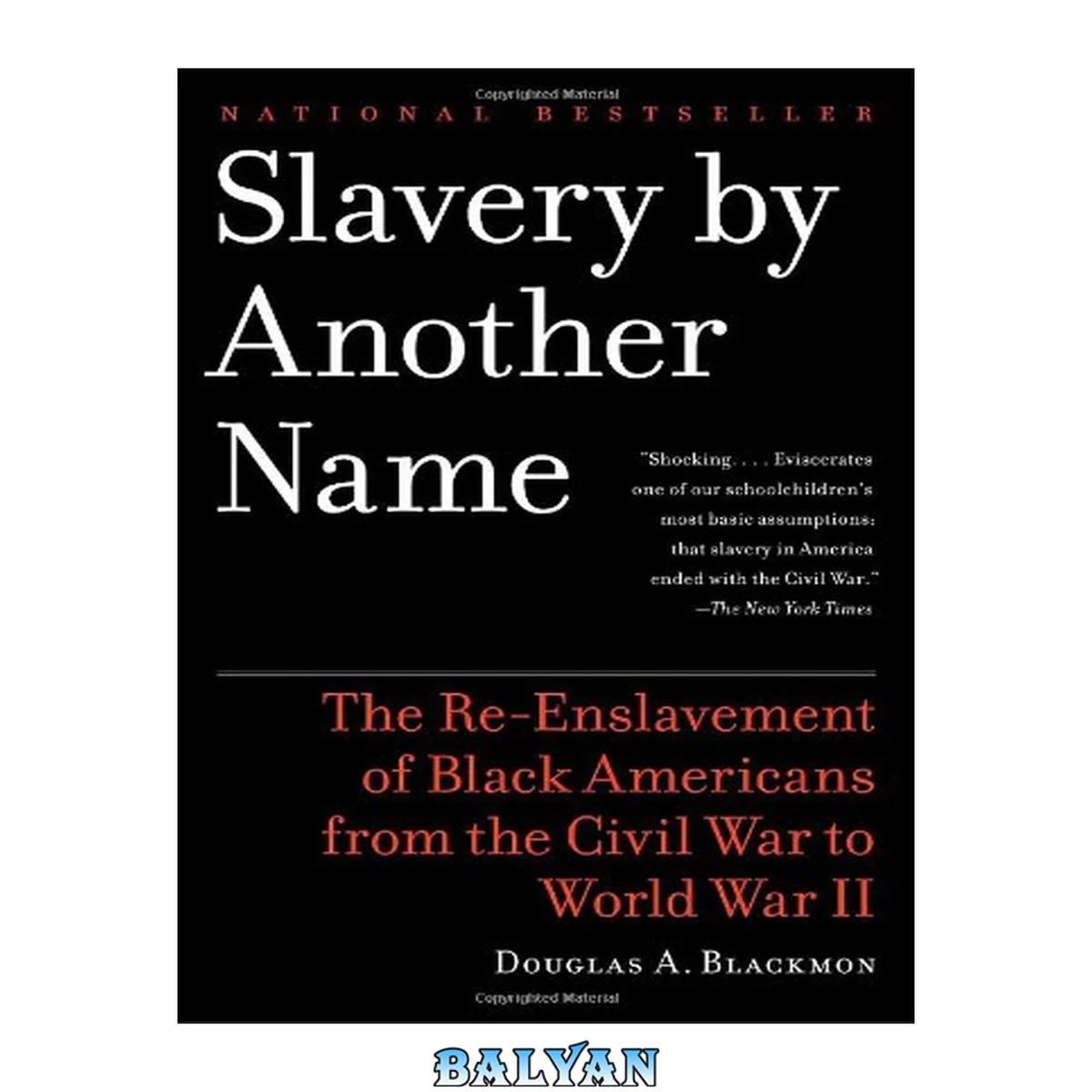
معرفی کتاب «بردهداری با نامی دیگر: بردگی مجدد سیاهپوستان آمریکایی از جنگ داخلی تا جنگ جهانی دوم» (با عنوان لاتین Slavery by Another Name : The Re-Enslavement of Black Americans From the Civil War to World War II) نوشتهٔ Adel S. Sedra، Kenneth C. Smith و Douglas A. Blackmon، منتشرشده توسط نشر Anchor Books در سال 2009. این کتاب در فرمت pdf، زبان انگلیسی ارائه شده است.
From Publishers WeeklyStarred Review. Wall Street Journal bureau chief Blackmon gives a groundbreaking and disturbing account of a sordid chapter in American history—the lease (essentially the sale) of convicts to commercial interests between the end of the 19th century and well into the 20th. Usually, the criminal offense was loosely defined vagrancy or even changing employers without permission. The initial sentence was brutal enough; the actual penalty, reserved almost exclusively for black men, was a form of slavery in one of hundreds of forced labor camps operated by state and county governments, large corporations, small time entrepreneurs and provincial farmers. Into this history, Blackmon weaves the story of Green Cottenham, who was charged with riding a freight train without a ticket, in 1908 and was sentenced to three months of hard labor for Tennessee Coal, Iron & Railroad, a subsidiary of U.S. Steel. Cottenham's sentence was extended an additional three months and six days because he was unable to pay fines then leveraged on criminals. Blackmon's book reveals in devastating detail the legal and commercial forces that created this neoslavery along with deeply moving and totally appalling personal testimonies of survivors. Every incident in this book is true, he writes; one wishes it were not so. (Mar.) Copyright © Reed Business Information, a division of Reed Elsevier Inc. All rights reserved. Review“Shocking. . . . Eviscerates one of our schoolchildren's most basic assumptions: that slavery in America ended with the Civil War.”—The New York Times“An astonishing book. . . . It will challenge and change your understanding of what we were as Americans-and of what we are.”—Chicago Tribune \* “The genius of Blackmon's book is that it illuminates both the real human tragedy and the profoundly corrupting nature of the Old South slavery as it transformed to establish a New South social order.”—The Atlanta Journal-Constitution“A formidably researched, powerfully written, wrenchingly detailed narrative.”—St. Louis Post-Dispatch\*From the Trade Paperback edition. In this groundbreaking historical expose, Douglas A. Blackmon brings to light one of the most shameful chapters in American history--an "Age of Neoslavery" that thrived from the aftermath of the Civil War through the dawn of World War II.Under laws enacted specifically to intimidate blacks, tens of thousands of African Americans were arbitrarily arrested, hit with outrageous fines, and charged for the costs of their own arrests. With no means to pay these ostensible "debts," prisoners were sold as forced laborers to coal mines, lumber camps, brickyards, railroads, quarries, and farm plantations. Thousands of other African Americans were simply seized by southern landowners and compelled into years of involuntary servitude. Government officials leased falsely imprisoned blacks to small-town entrepreneurs, provincial farmers, and dozens of corporations--including U.S. Steel--looking for cheap and abundant labor. Armies of "free" black men labored without compensation, were repeatedly bought and sold, and were forced through beatings and physical torture to do the bidding of white masters for decades after the official abolition of American slavery.The neoslavery system exploited legal loopholes and federal policies that discouraged prosecution of whites for continuing to hold black workers against their wills. As it poured millions of dollars into southern government treasuries, the new slavery also became a key instrument in the terrorization of African Americans seeking full participation in the U.S. political system.Based on a vast record of original documents and personal narratives, Slavery by Another Name unearths the lost stories of slaves and their descendants who journeyed into freedom after the Emancipation Proclamation and then back into the shadow of involuntary servitude. It also reveals the stories of those who fought unsuccessfully against the re-emergence of human labor trafficking, the modern companies that profited most from neoslavery, and the system's final demise in the 1940s, partly due to fears of enemy propaganda about American racial abuse at the beginning of World War II.Slavery by Another Name is a moving, sobering account of a little-known crime against African Americans, and the insidious legacy of racism that reverberates today. A Sobering Account Of A Little-known Crime Against African Americans, And The Insidious Legacy Of Racism That Reverberates Today. From The Aftermath Of The Civil War Through The Dawn Of World War Ii, Under Laws Enacted Specifically To Intimidate Blacks, Tens Of Thousands Of African Americans Were Arbitrarily Arrested, Hit With Outrageous Fines, And Charged For The Costs Of Their Own Arrests. With No Means To Pay These Debts, Prisoners Were Sold As Forced Laborers To Coal Mines, Lumber Camps, Brickyards, Railroads, Quarries, And Farm Plantations. Thousands Of Other African Americans Were Simply Seized And Compelled Into Years Of Involuntary Servitude. Armies Of Free Black Men Labored Without Compensation, Were Repeatedly Bought And Sold, And Were Forced Through Beatings And Physical Torture To Do The Bidding Of White Masters For Decades After The Official Abolition Of American Slavery.--from Publisher Description. The Wedding -- An Industrial Slavery -- Slavery's Increase -- Green Cottenham's World -- The Slave Farm Of John Pace -- Slavery Is Not A Crime -- The Indictments -- A Summer Of Trials, 1903 -- A River Of Anger -- The Disapprobation Of God -- Slavery Affirmed -- New South Rising -- The Arrest Of Green Cottenham -- Anatomy Of A Slave Mine -- Everywhere Was Death -- Atlanta, The South's Finest City -- Freedom. Douglas A. Blackmon. Originally Published: New York : Doubleday, 2008. Includes Bibliographical References (p. [444]-459) And Index. This groundbreaking historical expose unearths the lost stories of enslaved persons and their descendants who journeyed into freedom after the Emancipation Proclamation and then back into the shadow of involuntary servitude shortly thereafter in “The Age of Neoslavery.”By turns moving, sobering, and shocking, this unprecedented Pulitzer Prize-winning account reveals the stories of those who fought unsuccessfully against the re-emergence of human labor trafficking, the companies that profited most from neoslavery, and the insidious legacy of racism that reverberates today.Following the Emancipation Proclamation, convicts—mostly black men—were “leased” through forced labor camps operated by state and federal governments. Using a vast record of original documents and personal narratives, Douglas A. Blackmon brings to light one of the most shameful chapters in American history.“An astonishing book.... It will challenge and change your understanding of what we were as Americans—and of what we are.” —Chicago Tribune In this groundbreaking historical expose, Douglas A. Blackmon brings to light one of the most shameful chapters in American history—an “Age of Neoslavery” that thrived from the aftermath of the Civil War through the dawn of World War II.Using a vast record of original documents and personal narratives, Douglas A. Blackmon unearths the lost stories of slaves and their descendants who journeyed into freedom after the Emancipation Proclamation and then back into the shadow of involuntary servitude shortly thereafter. By turns moving, sobering, and shocking, this unprecedented account reveals the stories of those who fought unsuccessfully against the re-emergence of human labor trafficking, the companies that profited most from neoslavery, and the insidious legacy of racism that reverberates today.
دانلود کتاب بردهداری با نامی دیگر: بردگی مجدد سیاهپوستان آمریکایی از جنگ داخلی تا جنگ جهانی دوم