Sistemas normativos : introducción a la metodología de las ciencias jurídicas
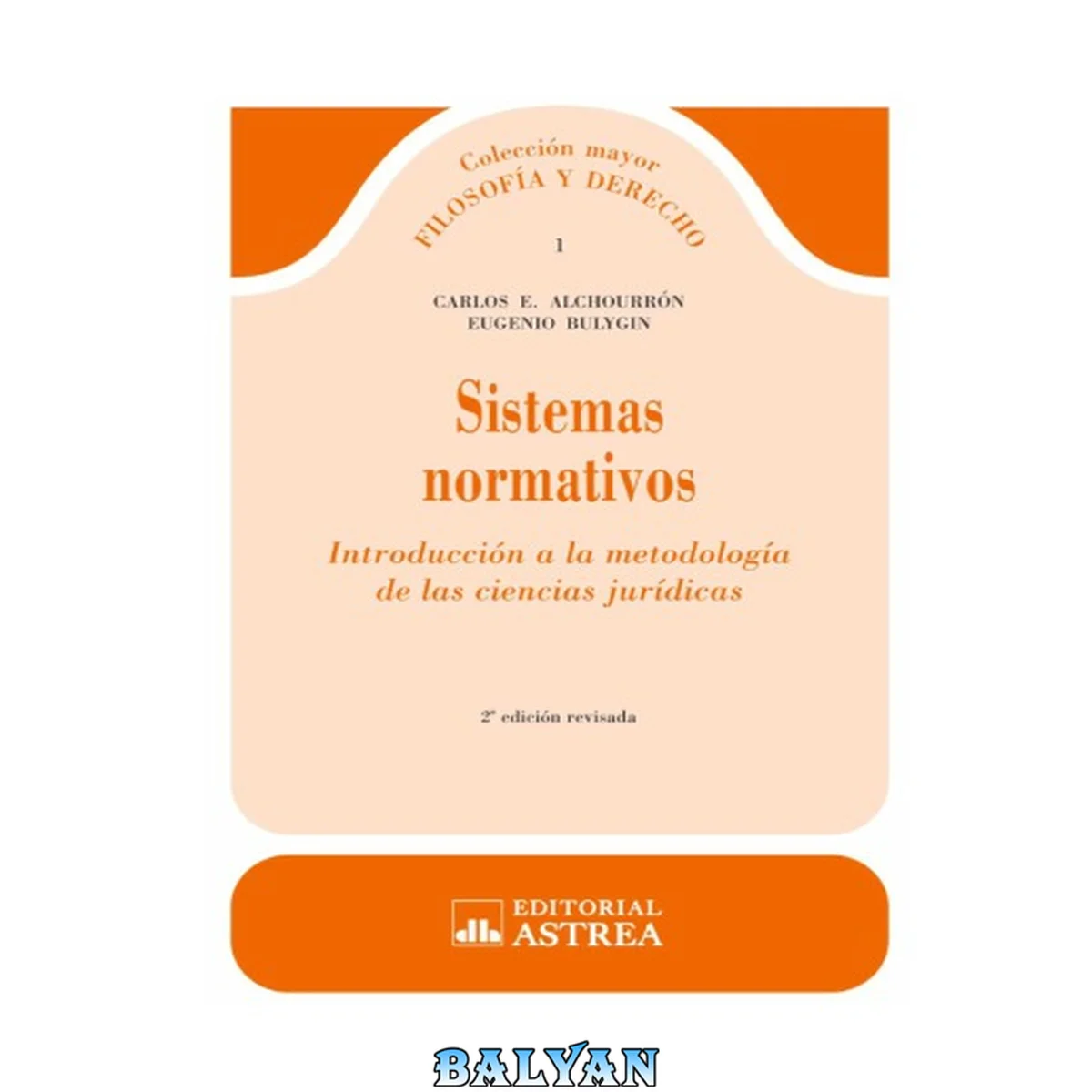
معرفی کتاب «Sistemas normativos : introducción a la metodología de las ciencias jurídicas» نوشتهٔ Rush Doshi و Carlos Alchourrón, Eugenio Bulygin، منتشرشده توسط نشر Astrea در سال 2012. این کتاب در فرمت pdf، زبان es ارائه شده است.
For more than a century, no US adversary or coalition of adversaries - not Nazi Germany, Imperial Japan, or the Soviet Union - has ever reached sixty percent of US GDP. China is the sole exception, and it is fast emerging into a global superpower that could rival, if not eclipse, the United States. What does China want, does it have a grand strategy to achieve it, and what should the United States do about it? In The Long Game, Rush Doshi draws from a rich base of Chinese primary sources, including decades worth of party documents, leaked materials, memoirs by party leaders, and a careful analysis of China's conduct to provide a history of China's grand strategy since the end of the Cold War. Taking readers behind the Party's closed doors, he uncovers Beijing's long, methodical game to displace America from its hegemonic position in both the East Asia regional and global orders through three sequential "strategies of displacement." Beginning in the 1980s, China focused for two decades on "hiding capabilities and biding time." After the 2008 Global Financial Crisis, it became more assertive regionally, following a policy of "actively accomplishing something." Finally, in the aftermath populist elections of 2016, China shifted to an even more aggressive strategy for undermining US hegemony, adopting the phrase "great changes unseen in century." After charting how China's long game has evolved, Doshi offers a comprehensive yet asymmetric plan for an effective US response. Ironically, his proposed approach takes a page from Beijing's own strategic playbook to undermine China's ambitions and strengthen American order without competing dollar-for-dollar, ship-for-ship, or loan-for-loan. "Drawing from decades worth of primary sources, a unique look into the Chinese government's grand strategy and what its true foreign policy objectives mean for the United States. For more than a century, no US adversary or coalition of adversaries--not Nazi Germany, Imperial Japan, or even the Soviet Union--has ever reached sixty percent of US GDP. China is the sole exception, and it is fast emerging into a global superpower that could rival, if not eclipse, the United States. What does China want, does it have a grand strategy to achieve it, and what should the United States do about it? In The Long Game, Rush Doshi draws from a rich base of Chinese primary sources, including decades worth of party documents, leaked materials, memoirs by party leaders, as well as careful analysis of China's conduct, to provide a history of China's grand strategy since the end of the Cold War. Taking readers behind the Party's closed doors, he uncovers Beijing's long, methodical game to displace America from regional and global order through three sequential "strategies of displacement." Doshi shows how China's strategy is profoundly shaped by key events that change its perception of American power--the end of the Cold War, the 2008 Global Financial Crisis, the populist elections of 2016, and the coronavirus pandemic of 2020. Doshi offers a comprehensive yet "asymmetric" plan for an effective US response to the China challenge. Ironically, his proposed approach takes a page from Beijing's strategic playbook to undermine China's ambitions and strengthen American order without competing dollar-for- dollar, ship-for-ship, or loan-for-loan. A bold assessment of what the Chinese government's true foreign policy objectives are, The Long Game offers valuable insight to the most important rivalry in world politics."-- Provided by publisher For more than a century, no US adversary or coalition of adversaries - not Nazi Germany, Imperial Japan, or the Soviet Union - has ever reached sixty percent of US GDP. China is the sole exception, and it is fast emerging into a global superpower that could rival, if not eclipse, the United States. What does China want, does it have a grand strategy to achieve it, and what should the United States do about it?In The Long Game, Rush Doshi draws from a rich base of Chinese primary sources, including decades worth of party documents, leaked materials, memoirs by party leaders, and a careful analysis of China's conduct to provide a history of China's grand strategy since the end of the Cold War. Taking readers behind the Party's closed doors, he uncovers Beijing's long, methodical game to displace America from its hegemonic position in both the East Asia regional and global orders through three sequential "strategies of displacement." Beginning in the 1980s, China focused for two decades on "hiding capabilities and biding time." After the 2008 Global Financial Crisis, it became more assertive regionally, following a policy of "actively accomplishing something." Finally, in the aftermath populist elections of 2016, China shifted to an even more aggressive strategy for undermining US hegemony, adopting the phrase "great changes unseen in century." After charting how China's long game has evolved, Doshi offers a comprehensive yet asymmetric plan for an effective US response. Ironically, his proposed approach takes a page from Beijing's own strategic playbook to undermine China's ambitions and strengthen American order without competing dollar-for-dollar, ship-for-ship, or loan-for-loan. Given the turbulence in the international order in recent years, one of the central concerns among observers of world politics is the question of China's ultimate goals. As China emerges as a superpower that rivals the United States, American policymakers grappling with this century's greatest geopolitical challenge are looking for answers to a series of critical questions. Does China have expansive ambitions? Does it have a grand strategy to achieve them? If so, what is it and what should the United States do about it? In The Long Game , Rush Doshi draws from a rich base of Chinese primary sources, including decades worth of party documents, leaked materials, and memoirs by party leaders, to demonstrate that China is in fact playing a long, methodical game to replace America as a regional and global hegemon. He traces the basic evolution of Chinese strategy, showing how it evolved in response to changes in US policy and its position in the world order. After charting these shifts over time, Doshi offers a comprehensive yet "asymmetric" plan for an effective US response to this challenge: one that undermines China's ambitions without competing dollar-for-dollar, ship-for-ship, or loan-for-loan. Ironically, the approach mirrors China's own current strategy of subtly weakening Chinese leverage in the region and elsewhere while expanding US leverage over China. A bold assessment of what the Chinese government's true foreign policy objectives are, The Long Game offers valuable insight to the most important rivalry in world politics. "For more than a century, no US adversary or coalition of adversaries - not Nazi Germany, Imperial Japan, or even the Soviet Union - has ever reached sixty percent of US GDP. China is the sole exception, and it is fast emerging into a global superpower that could rival, if not eclipse, the United States. What does China want, does it have a grand strategy to achieve it, and what should the United States do about it? The Long Game draws from a rich base of Chinese primary sources, including decades worth of party documents, leaked materials, memoirs by party leaders, as well as careful analysis of China's conduct, to provide a history of China's grand strategy since the end of the Cold War. Taking readers behind the Party's closed doors, this book uncovers Beijing's long, methodical game to displace America from regional and global order through three sequential "strategies of displacement." The book shows how China's strategy is profoundly shaped by key events that change its perception of American power - the end of the Cold War, the 2008 Global Financial Crisis, the populist elections of 2016, and the coronavirus pandemic of 2020. Finally, the book offers a comprehensive yet "asymmetric" plan for an effective US response to the China challenge. Ironically, the proposed approach takes a page from Beijing's strategic playbook to undermine China's ambitions and strengthen American order without competing dollar-for- dollar, ship-for-ship, or loan-for-loan"-- Provided by publisher In 'The Long Game', Rush Doshi demonstrates that China is in fact playing a long, methodical game to replace America as a global hegemon. Drawing from a rich base of Chinese primary sources, including decades worth of party documents and memoirs by party leaders, he traces the basic evolution of Chinese strategy, showing how it evolved in response to changes in US policy and the US's position in the world order
دانلود کتاب Sistemas normativos : introducción a la metodología de las ciencias jurídicas