Sharing the Prize : The Economics of the Civil Rights Revolution in the American South
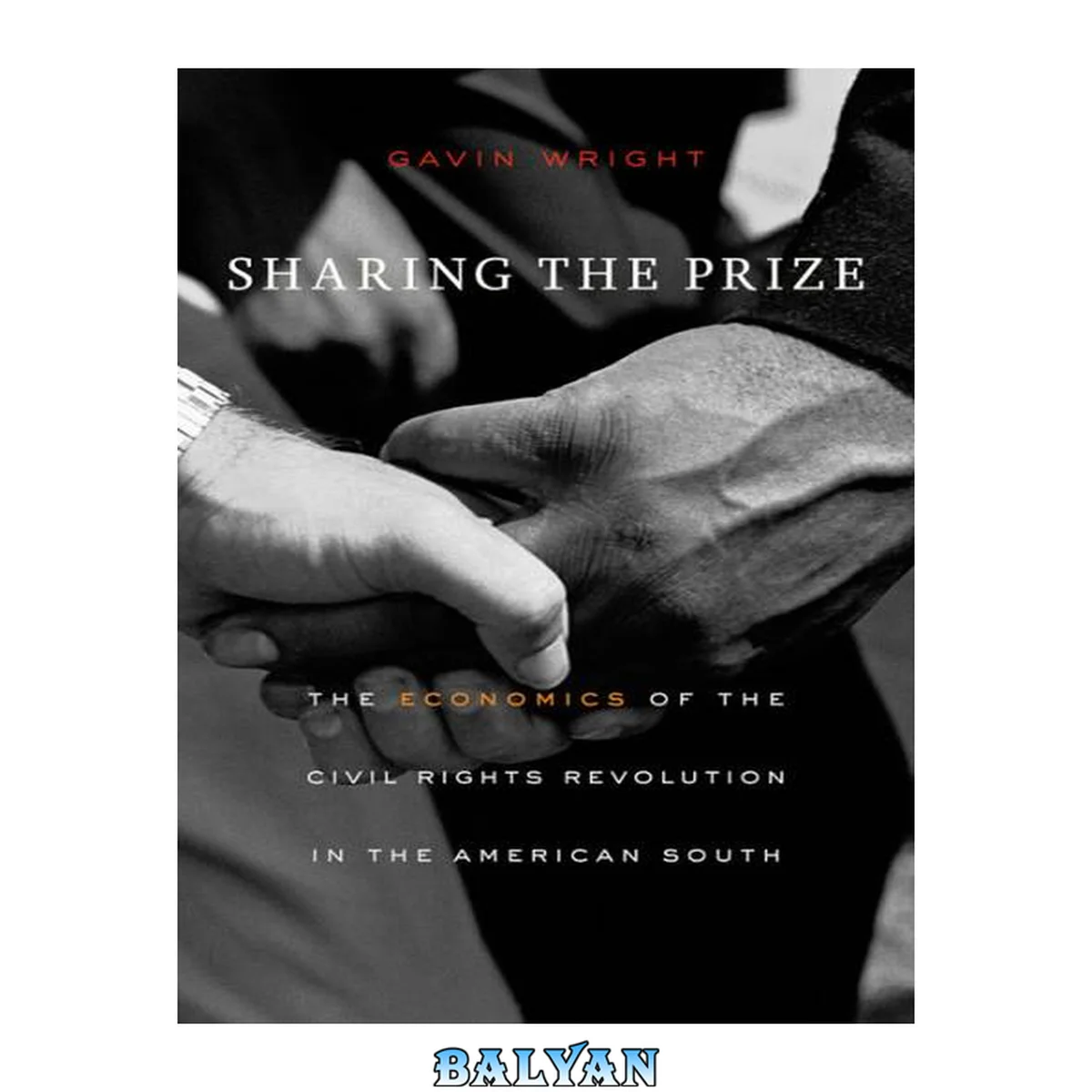
معرفی کتاب «Sharing the Prize : The Economics of the Civil Rights Revolution in the American South» نوشتهٔ Gavin Wright، منتشرشده توسط نشر Belknap Press: An Imprint of Harvard University Press در سال 2013. این کتاب در فرمت pdf، زبان انگلیسی ارائه شده است.
The civil rights movement was also a struggle for economic justice, one that until now has not had its own history. Sharing the Prize demonstrates the significant material gains black southerners made—in improved job opportunities, quality of education, and health care—from the 1960s to the 1970s and beyond. Because black advances did not come at the expense of southern whites, Gavin Wright argues, the civil rights struggle was that rarest of social revolutions: one that benefits both sides. From the beginning, black activists sought economic justice in addition to full legal rights. The southern bus boycotts and lunch counter sit-ins were famous acts of civil disobedience, but they were also demands for jobs in the very services being denied blacks. In the period of enforced desegregation following the passage of the Civil Rights Act of 1964 and the Voting Rights Act of 1965, the wages of southern black workers increased dramatically. Wright’s painstaking documentation of this fact undermines beliefs that government intervention was unnecessary, that discrimination was irrational, and that segregation would gradually disappear once the market was allowed to work. Wright also explains why white southerners defended for so long a system that failed to serve their own best interests. Sharing the Prize makes clear that the material benefits of the civil rights acts of the 1960s are as significant as the moral ones—an especially timely achievement as these monumental pieces of legislation, and the efficacy of governmental intervention more broadly, face new challenges. "The civil rights movement was also a struggle for economic justice, one that until now has not had its own history. Sharing the Prize demonstrates the significant material gains black southerners made--in improved job opportunities, quality of education, and health care--from the 1960s to the 1970s and beyond. Because black advances did not come at the expense of southern whites, Gavin Wright argues, the civil rights struggle was that rarest of social revolutions: one that benefits both sides. From the beginning, black activists sought economic justice in addition to full legal rights. The southern bus boycotts and lunch counter sit-ins were famous acts of civil disobedience, but they were also demands for jobs in the very services being denied blacks. In the period of enforced desegregation following the passage of the Civil Rights Act of 1964 and the Voting Rights Act of 1965, the wages of southern black workers increased dramatically. Wright's painstaking documentation of this fact undermines beliefs that government intervention was unnecessary, that discrimination was irrational, and that segregation would gradually disappear once the market was allowed to work. Wright also explains why white southerners defended for so long a system that failed to serve their own best interests. Sharing the Prize makes clear that the material benefits of the civil rights acts of the 1960s are as significant as the moral ones--an especially timely achievement as these monumental pieces of legislation, and the efficacy of governmental intervention more broadly, face new challenges"--Publisher description. Winner of the Alice Hanson Jones Prize, Economic History AssociationA Choice Outstanding Academic Title of the YearThe civil rights movement was also a struggle for economic justice, one that until now has not had its own history. Sharing the Prize demonstrates the significant material gains black southerners made—in improved job opportunities, quality of education, and health care—from the 1960s to the 1970s and beyond. Because black advances did not come at the expense of southern whites, Gavin Wright argues, the civil rights struggle was that rarest of social revolutions: one that benefits both sides.“Wright argues that government action spurred by the civil-rights movement corrected a misfiring market, generating large economic gains that private companies had been unable to seize on their own.”—The Economist“Written...with the care and imagination [Wright] displayed in his superb work on slavery and the southern economy since the Civil War, this excellent economic history offers the best empirical account to date of the effects the civil rights revolution had on southern labor markets, schools, and other important institutions...With much of the nation persuaded that a post-racial age has begun, Wright's analytical history...takes on fresh urgency.”—Ira Katznelson, New York Review of Books The civil rights movement was also a struggle for economic justice, one that until now has not had its own history. __Sharing the Prize__ demonstrates the significant material gains black southerners made―in improved job opportunities, quality of education, and health care―from the 1960s to the 1970s and beyond. Because black advances did not come at the expense of southern whites, Gavin Wright argues, the civil rights struggle was that rarest of social revolutions: one that benefits both sides. __Sharing the Prize__ makes clear that the material benefits of the civil rights acts of the 1960s are as significant as the moral ones―an especially timely achievement as these monumental pieces of legislation, and the efficacy of governmental intervention more broadly, face new challenges. Rights, economics, and the American South The political economy of the Jim Crow South Southern business and public accommodations : an economic-historical paradox Desegregating southern labor markets The economics of southern school desegregation The economic consequences of voting rights The downside of the civil rights revolution Civil rights economics : historical context and lessons. Southern bus boycotts and lunch counter sit-ins were famous acts of civil disobedience but were also demands for jobs in the very services being denied blacks. Gavin Wright shows that the civil rights struggle was of economic benefit to all parties: the wages of southern blacks increased dramatically but not at the expense of southern whites. The civil rights movement was also a struggle for economic justice, one that until now has not had its own history. This book demonstrates the significant material gains black southerners made - in improved job opportunities, quality of education, and healthcare - from the 1960s to the 1970s and beyond
دانلود کتاب Sharing the Prize : The Economics of the Civil Rights Revolution in the American South