Seismic Loads: Guide to the Seismic Load Provisions of ASCE 7 - 10 (Asce Press)
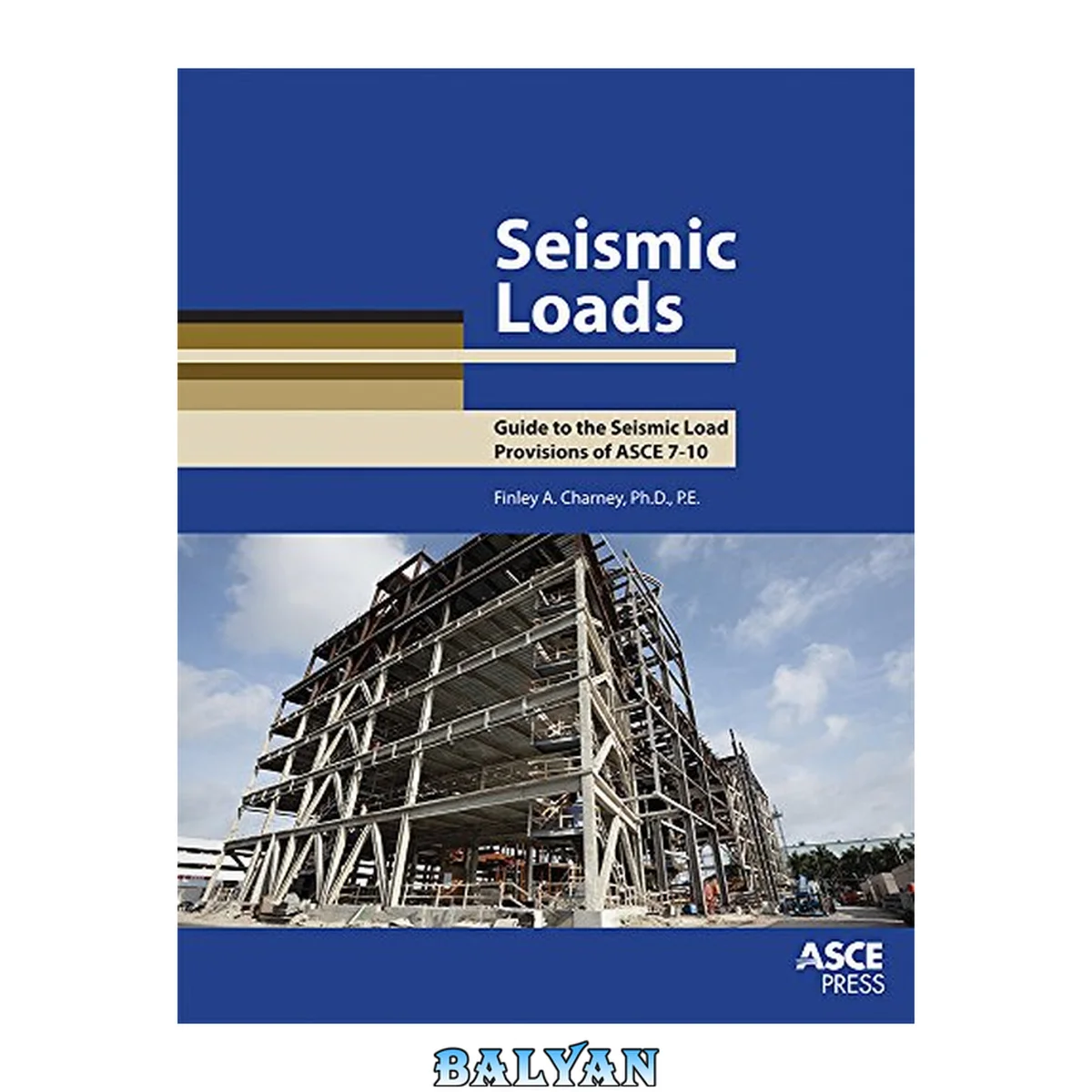
معرفی کتاب «Seismic Loads: Guide to the Seismic Load Provisions of ASCE 7 - 10 (Asce Press)» نوشتهٔ David Watson، Helen Williams و Charney, Finley Allan، منتشرشده توسط نشر American Society of Civil Engineers در سال 2015. این کتاب در فرمت pdf، زبان انگلیسی ارائه شده است.
Seismic Loads: Guide to the Seismic Load Provisions of ASCE 7-05 provides authoritative explanations of the seismic provisions offered in Minimum Design Loads for Buildings and Other Structures , Standard ASCE/SEI 7-05. With clear, concise language, Seismic Loads illustrates key concepts and guides structural engineers in applying the most current thinking in this rapidly changing discipline to the design of new structures. The book offers more than 20 detailed examples that analyse specific provisions of the standard and demonstrate the application of the provision in evaluating the seismic loading requirements for building structures. The examples guide structural engineers through the process of assessing conditions such as: identifying occupancy, importance, and seismic design categories, selecting a structural system, and analysing the seismic requirements. Topics include building irregularities, structural analysis, system forces, and load factors, as well as drift and P-delta effects. Seismic Loads includes a frequently asked questions section and three appendixes with supplementary material. This book is an essential supplement to Standard ASCE/SEI 7-05 for all engineers, architects, and construction professionals who work on projects in seismically active locations Seismic Loads: Guide to the Seismic Load Provisions of ASCE 7-05 provides authoritative explanations of the seismic provisions offered in Minimum Design Loads for Buildings and Other Structures, ASCE/SEI 7-05. With clear, concise language, Seismic Loads illustrates the key concepts and guides structural engineers in applying the most current thinking in this rapidly changing discipline into the design of new structures. The book offers more than 20 detailed examples that analyze specific provisions of the standard and demonstrate the application of the provision in evaluating the seismic loading requirements for building structures. The examples guide structural engineers through the process of assessing conditions such as: identifying occupancy, importance, and seismic design categories, selecting a structural system, and analyzing the seismic requirements. Topics include building irregularities, structural analysis, system forces, and load factors, as well as drift and Content: Occupancy category -- Importance factor and seismic design category -- Site classification procedure for seismic design -- Determining ground motion parameters -- Developing a response spectrum -- Ground motion scaling for response history analysis -- Structural system selection -- Combinations of lateral load resisting systems -- Horizontal structural irregularities -- Vertical structural irregularities -- Diaphragm flexibility -- Structural analysis requirements -- Use of the redundancy factor -- Accidental torsion and amplification of accidental torsion -- Load combinations -- Effective seismic weight (mass) -- Period of vibration -- Equivalent lateral force analysis -- Drift and p-delta effects -- Modal response spectrum analysis -- Modal response history analysis -- Diaphragm forces. Finley Charney provides clear, authoritative explanations of the seismic design provisions contained in Minimum Design Loads for Buildings and Other Structures, Standard ASCE/SEI 7-10.
دانلود کتاب Seismic Loads: Guide to the Seismic Load Provisions of ASCE 7 - 10 (Asce Press)