Ring of Steel: Austria and Hungary in World War I: The People's War
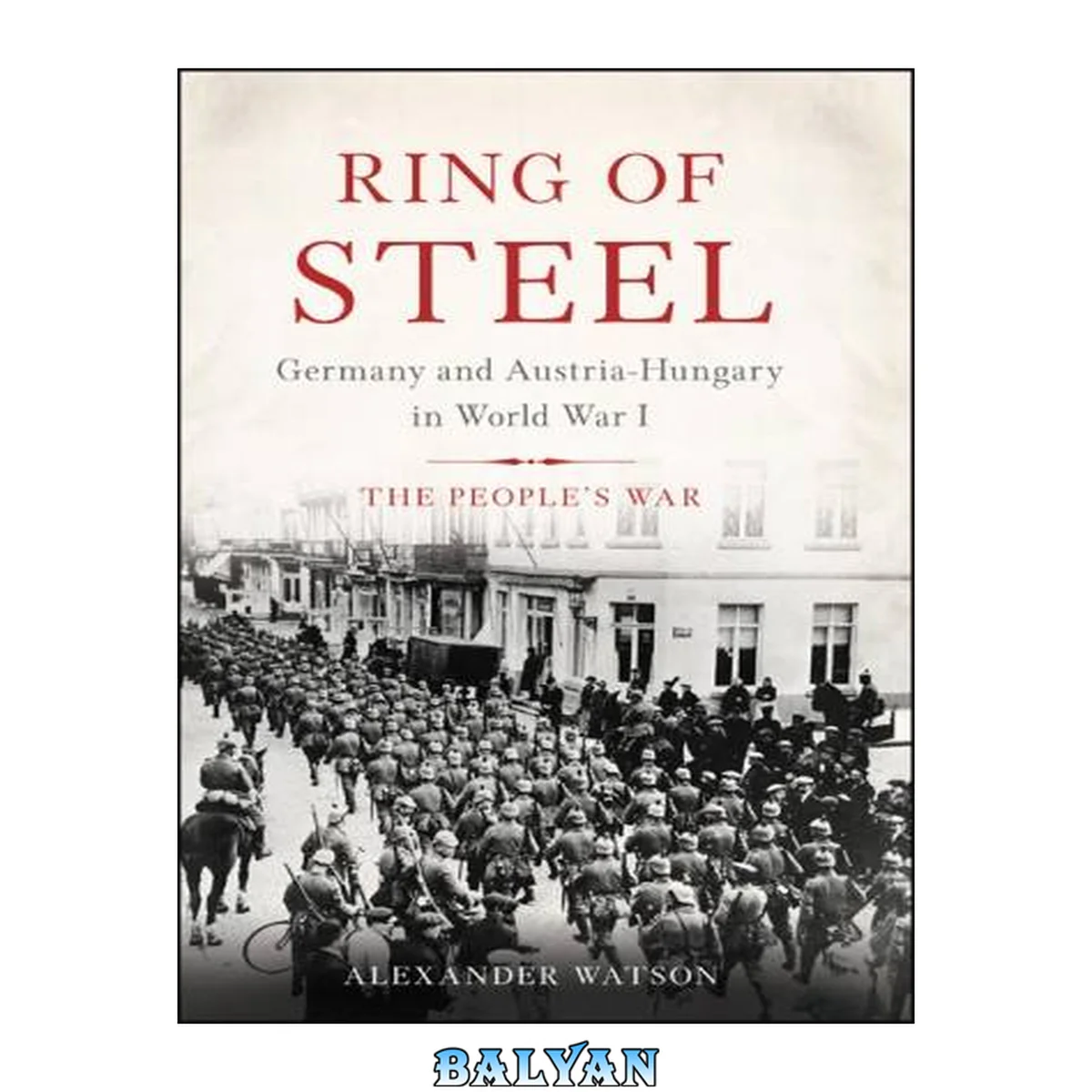
معرفی کتاب «Ring of Steel: Austria and Hungary in World War I: The People's War» نوشتهٔ Alexander Watson، منتشرشده توسط نشر Basic Civitas Books در سال 2014. این کتاب در 2 صفحه، فرمت epub، زبان انگلیسی ارائه شده است. «Ring of Steel: Austria and Hungary in World War I: The People's War» در دستهٔ تاریخ جهان قرار دارد.
An award-winning historian presents a groundbreaking new history of World War I from the perspective of the Central Powers, showing how wartime suffering led not only to the fall of an empire but also to a fundamental breakdown of society. For Germany and Austria-Hungary the First World War started with high hopes for a rapid, decisive outcome. Convinced that right was on their side and fearful of the enemies that encircled them, they threw themselves resolutely into battle. Yet, despite the initial halting of a brutal Russian invasion, the Central Powers' war plans soon unravelled. Germany's attack on France failed. Austria-Hungary's armies suffered catastrophic losses at Russian and Serbian hands. Hopes of a quick victory lay in ruins. For the Central Powers the war now became a siege on a monstrous scale. Britain's ruthless intervention cut sea routes to central Europe and mobilised the world against them. Germany and Austria-Hungary were to be strangled of war supplies and food, their soldiers overwhelmed by better armed enemies, and their civilians brought to the brink of starvation. Conquest and plunder, land offensives, and submarine warfare all proved powerless to counter or break the blockade. The Central Powers were trapped in the Allies' ever-tightening ring of steel. Alexander Watson's compelling new history retells the war from the perspectives of its instigators and losers, the Germans and Austro-Hungarians. This is the story not just of their leaders in Berlin and Vienna, but above all of the people. Only through their unprecedented mobilisation could the conflict last so long and be so bitterly fought, and only with the waning of their commitment did it end. The war shattered their societies, destroyed their states and bequeathed to east-central Europe a poisonous legacy of unredeemed sacrifice, suffering, race hatred and violence. A major re-evaluation of the First World War, Ring of Steel is essential reading for anyone seeking to understand the last century of European history. For Germany and Austria-Hungary the First World War started with high hopes for a rapid, decisive outcome. Yet despite the initial halting of a brutal Russian invasion, the Central Powers' war plans soon unraveled. Germany's attack on France failed, Austria-Hungary's armies suffered catastrophic losses at Russian and Serbian hands, and hopes of a quick victory lay in ruins. For the Central Powers the war now became a siege on a monstrous scale. Britain's ruthless intervention cut sea routes to central Europe and mobilized the world against them. Germany and Austria-Hungary were to be strangled of war supplies and food, their soldiers overwhelmed by better armed enemies, and their civilians brought to the brink of starvation. The Central Powers were trapped in the Allies' ever-tightening ring of steel. Alexander Watson's compelling new history retells the war from the perspectives of its instigators and losers, the Germans and Austro-Hungarians. This is the story not just of their leaders in Berlin and Vienna, but above all of the people. Only through their unprecedented mobilization could the conflict last so long and be so bitterly fought, and only with the waning of their commitment did it end. The war shattered their societies, destroyed their states and bequeathed to east-central Europe a poisonous legacy of unredeemed sacrifice, suffering, race hatred and violence. This book is an essential contribution to understanding the last century of European history. --From publisher description "For Germany and Austro-Hungary the First World war started with high hopes for a rapid, decisive outcome. Convinced that right was on their side and fearful of the enemies that encircled them, they threw themselves resolutely into battle. Yet, despite the initial halting of a brutal Russian invasion, the Central Powers' war plans soon unravelled. Germany's attack on France failed. Austria-Hungary's armies suffered catastrophic losses at Russian and Serbian hands ... For the Central Powers the war now became a siege on a monstrous scale. Britain's intervention cut sea routes to central Europe and mobilized the world against [the Central Powers]. Germany and Austria-Hungary were to be strangled of war supplies and food, their soldiers overwhelmed by better-armed enemies and their civilians brought to the brink of starvation. Conquest and plunder, land offensives and submarine warfare all proved powerless to counter or break the blockade. The Central Powers were trapped in the Allies' ever-tightening Ring of Steel." The assassination of Archduke Franz Ferdinand in 1914 ignited a Central Europe already deeply divided by political hostility. The Habsburgs felt Serbia threatening at every turn, challenging their power in the Balkans and their status as a great power. After two decades of inept, saber-rattling Weltpolitik , Germany, their closest ally, found itself diplomatically isolated and militarily outgunned on land and sea. War was an opportunity for both nations to turn around their declining fortunes, and reestablish themselves as major power players. The key to this much-needed victory would be popular support—support the Central Powers' governments would lie to gain, and struggle unsuccessfully to keep. In Ring of Steel, award-winning historian Alexander Watson explores the experiences of the German and Austro-Hungarian peoples and the ordeals that they faced at home and on the battlefield, showing how wartime suffering undermined their fragile support for the war and... A prize-winning, magisterial history of World War I from the perspective of the defeated Central Powers For the Central Powers, the First World War started with high hopes for an easy victory. But those hopes soon deteriorated as Germany's attack on France failed, Austria-Hungary's armies suffered catastrophic losses, and Britain's ruthless blockade brought both nations to the brink of starvation. The Central powers were trapped in the Allies' ever-tightening Ring of Steel. In this compelling history, Alexander Watson retells the war from the perspective of its losers: not just the leaders in Berlin and Vienna, but the people of Central Europe. The war shattered their societies, destroyed their states, and imparted a poisonous legacy of bitterness and violence. A major reevaluation of the First World War, Ring of Steel is essential for anyone seeking to understand the last century of European history. "[This] new history retells the war from the perspectives of its instigators and losers. ... This is the story of not just their leaders in Berlin and Vienna, but above all the people. Only through their unprecedented mobilization could the conflict last so long and be so bitterly fought, and only with the waning of their commitment did it end. The war shattered their societies, destroyed their states and bequeathed to east-central Europe a poisonous legacy of unredeemed sacrifice, suffering, race hatred and violence. ..."--Jacket List of Illustrations List of Maps Acknowledgements Introduction 1.Decisions for War 2.Mobilizing the People 3.War of Illusions 4.The War of Defence 5.Encirclement 6.Security for All Time 7.Crisis at the Front 8.Deprivation 9.Remobilization 10.U-Boats 11.Dangerous Ideas 12.The Bread Peace 13.Collapse Epilogue Notes Abbreviations Bibliography Index For the empires of Germany and Austria-Hungary the Great War - which had begun with such high hopes for a fast, dramatic outcome - rapidly degenerated as invasions of both France and Serbia ended in catastrophe. For four years the fighting now turned into a siege on a quite monstrous scale. A comprehensive analysis of the war efforts of the primary Central Powers, Germany and Austria-Hungary.
دانلود کتاب Ring of Steel: Austria and Hungary in World War I: The People's War