Rethinking Black Motherhood and Drug Addictions: Counternarratives of Black Family Resilience (Black Studies and Critical Thinking)
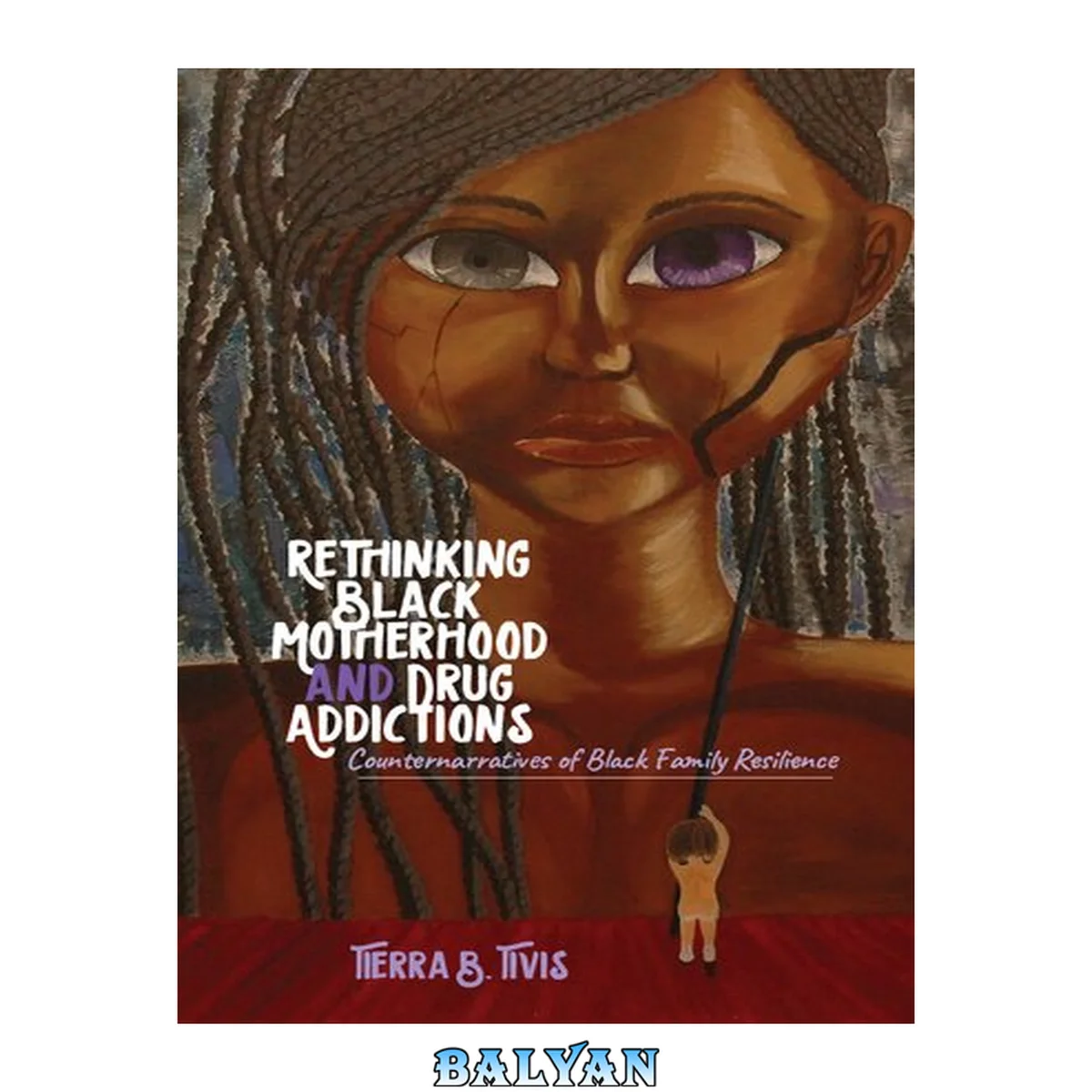
معرفی کتاب «Rethinking Black Motherhood and Drug Addictions: Counternarratives of Black Family Resilience (Black Studies and Critical Thinking)» نوشتهٔ Cynthia B. Dillard; Rochelle Brock; Richard Gregory Johnson III; Tierra B. Tivis، منتشرشده توسط نشر Peter Lang Incorporated در سال 2018. این کتاب در فرمت pdf، زبان انگلیسی ارائه شده است.
Rethinking Black Motherhood and Drug Addictions: Counternarratives of Black Family Resilience offers a unique perspective on the complexities of being a Black mother addicted to crack, powder cocaine, heroin, and crank. Qualitative interviews provide rich narratives from five Black mothers challenging negative controlled images and stereotypes of Black motherhood and drug addiction. Using Black Feminist Thought, Critical Race Feminism, and Resilience as conceptual frameworks, this book confronts hegemonic constructions of Black mothers and their children within the context of drug addictions. Particular attention is focused on using the mothers’ self-definitions of struggles and family resilience to dismantle the negative controlled images of the junkie and the crack ho’ and her crack baby.
The mothers in this book speak truth to their experiences with motherhood and addictions to some of the most powerful street drugs that explicitly defy the junkie, crack ho’, and crack baby images. The book also addresses tensions existing within researcher-participant relationships and nuances unique to research with Black mothers in recovery. Personal lessons learned and challenges experienced during the research process are highlighted as Tivis shares dilemmas of self-reflections of positionality, accountability and use of language.
Rethinking Black Motherhood and Drug Addictions contains important implications for research and practice in education and across other disciplines concentrating on mothers and children from racially diverse backgrounds. This book will be relevant for both undergraduate and graduate students and academics within these disciplines. Rethinking Black Motherhood and Drug Addictions will be of interest to advanced pre-service teachers and other disciplines engaging in clinical and professional practice with addiction and with families.
Rethinking Black Motherhood and Drug Addictions: Counternarratives of Black Family Resilience offers a unique perspective on the complexities of being a Black mother addicted to crack, powder cocaine, heroin, and crank. Qualitative interviews provide rich narratives from five Black mothers challenging negative controlled images and stereotypes of Black motherhood and drug addiction. Using Black Feminist Thought, Critical Race Feminism, and Resilience as conceptual frameworks, this book confronts hegemonic constructions of Black mothers and their children within the context of drug addictions. Particular attention is focused on using the mothers' self-definitions of struggles and family resilience to dismantle the negative controlled images of the junkie and the crack ho' and her crack baby. 0The mothers in this book speak truth to their experiences with motherhood and addictions to some of the most powerful street drugs that explicitly defy the junkie, crack ho', and crack baby images. The book also addresses tensions existing within researcher-participant relationships and nuances unique to research with Black mothers in recovery. Personal lessons learned and challenges experienced during the research process are highlighted as Tivis shares dilemmas of self-reflections of positionality, accountability and use of language. 0Rethinking Black Motherhood and Drug Addictions contains important implications for research and practice in education and across other disciplines concentrating on mothers and children from racially diverse backgrounds. This book will be relevant for both undergraduate and graduate students and academics within these disciplines. Rethinking Black Motherhood and Drug Addictions will be of interest to advanced pre-service teachers and other disciplines engaging in clinical and professional practice with addiction and with families Rethinking Black Motherhood and Drug Addictions: Counternarratives of Black Family Resilienceoffers a unique perspective on the complexities of being a Black mother addicted to crack, powder cocaine, heroin, and crank. Qualitative interviews provide rich narratives from five Black mothers challenging negative controlled images and stereotypes of Black motherhood and drug addiction. Using Black Feminist Thought, Critical Race Feminism, and Resilience as conceptual frameworks, this book confronts hegemonic constructions of Black mothers and their children within the context of drug addictions. Particular attention is focused on using the mothers_ self-definitions of struggles and family resilience to dismantle the negative controlled images of the junkie and the crack ho_ and her crack baby. The mothers in this book speak truth to their experiences with motherhood and addictions to some of the most powerful street drugs that explicitly defy the junkie, crack ho_, and crack baby images. The book also addresses tensions existing within researcher-participant relationships and nuances unique to research with Black mothers in recovery. Personal lessons learned and challenges experienced during the research process are highlighted as Tivis shares dilemmas of self-reflections of positionality, accountability and use of language. Rethinking Black Motherhood and Drug Addictionscontains important implications for research and practice in education and across other disciplines concentrating on mothers and children from racially diverse backgrounds. This book will be relevant for both undergraduate and graduate students and academics within these disciplines. Rethinking Black Motherhood and Drug Addictionswill be of interest to advanced pre-service teachers and other disciplines engaging in clinical and professional practice with addiction and with families "Tierra B. Tivis' Rethinking Black Motherhood and Drug Addictions: Counternarratives of Black Family Resilience offers a fresh perspective on the experiences of families struggling to overcome structural barriers to health and wellbeing. Her emic perspective provides a sympathetic hearing from African American mothers from a strengths-based perspective. Not only do we hear from mothers themselves, but Dr. Tivis provides tools for understanding illicit drug use and addiction from an intersectional perspective that considers both race and gender. Building on the work of black feminism and critical race theory, Tivis argues from a humanistic perspective that realities of the lives of triply oppressed poor women of color should lead to provision of better treatment options, and that criminalization is short-sighted. Dr. Tivis provides an update to Patricia Hill Collins' controlling images of black womanhood by examining the "crack ho'" stereotype that dehumanizes the women who are caught-up in this life circumstance, but she does not stop there. In Tivis' structural analysis, she examines the impact of the drug wars on the chocolate inner cities of Detroit and Atlantic City, and points to the limited educational and employment options, as well as limited access to appropriate health and drug treatment, that are available. We celebrate this important contribution to the literature concerning black women's resilience and agency, and we recommend this book to students in the social sciences as well as policy makers seeking a deeper understanding of these issues."-Assata Zerai, Professor of Sociology, University of Illinois at Urbana-Champaign.. "Rethinking Black Motherhood and Drug Addictions: Counternarratives of Black Family Resilience offers a new look at the lives of women stereotyped as derelict mothers living and raising children in drug-infested urban neighborhoods. Using rigorous first-hand interviews with five mothers, Dr. Tivis gives a voice to women whose complex lives fly in the face of stereotypes. In reading Barbara, Bethena, Desirea, Ladonna, and Sharonda's stories, the reader feels as though they are there with each woman--a hallmark of good, qualitative work. These are stories of women who demonstrate agency and resilience in the face of multiple barriers. Moreover, despite the very real chaos of drug addiction, we see women who are loving mothers with high hopes and dreams for their children's futures. Listening to women's stories should encourage policy makers to develop strength-based solutions that can have a profound effect on women and their children. Rethinking Black Motherhood and Drug Addictions makes important contributions to our understanding of African American motherhood, parenting, and family life, and the larger neighborhood, social, historical, and political contexts that mothers' lives are in. Readers will walk away with a renewed belief in the ability of women to overcome the trauma of addiction to create lives of meaning, purpose, and hope."--Robin Jarrett, Professor, Human Development and Family Studies, Department of African American Studies, University of Illinois at Urbana-Champaign Acknowledgments - Laurence J. Parker: Introduction - “These People Are Suffering”: Help versus Incarceration - Tools for Understanding Drug Addiction and Black Mothers' Standpoint - Origin of the Crack Ho': Mammies, Jezebels, Controlled Images, and Prosecution of Addiction - “From Suga to Shit”: The Drug Business and Destruction of Black Communities - More About the Mothers, Research Practice, Black Motherhood and Addiction - “I Had Help”: Kinship, Drug Addictions, and Black Family Resilience - “Wasn' No Junkie, I Was a Workin' Addict ... It's a Difference”: Self-Definition of Black Mothers' Roles and Responsibilities - Crack Baby Aftermath and Navigating Educational Institutions - “I Was Just Cryin' Out To God”: Recovery and the Spirituality of Struggle - Discussion: What the Mothers Made Me Think About - Contributor Bio--Dr. Laurence J. Parker - Index "These people are suffering": help versus incarceration -- Tools for understanding drug addiction and black mothers' standpoint -- Origin of the crack ho': Mammies, Jezebels, controlled images, and prosecution of addiction -- "From suga to shit": the drug business and destruction of black communities -- More about the mothers, research practice, black motherhood and addiction -- "I had help": kinship, drug addictions, and black family resilience -- "Wasn' no junkie, I was a workin' addict--it's a difference": self- definition of black mothers' roles and responsibilities -- Crack baby aftermath and navigating educational institutions -- "I was just cryin' out to God": recovery and the spirituality of struggle "Tierra B. Tivis' book takes us into the daily lives of Black women previously addicted to crack cocaine and heroin and provides a powerful analysis as to how controlling images reproduce their criminalization. By foregrounding Black women's voices, as well as historically and politically contextualizing them, Dr. Tivis reveals the realities of their resilience--and in the process, humanizes them. This book is both timely and important in disrupting how Black women have been dismissed, distorted, misunderstood, and essentially silenced." --Dalia Rodriguez, Associate Professor, Syracuse University "Crack ho'. Junkie. Welfare queen. In Rethinking Black Motherhood and Drug Addictions: Counternarratives of Black Family Resilience, Tierra B. Tivis exposes the fraudulence of these controlling images by letting us into the lives of the women who are called these names. Through care, nuance, and sisterhood that are all too lacking in scholarship, Dr. Tivis renders an intimate portrait of caretakers, advocates, survivors, and champions."-Emery Petchauer, Associate Professor, Michigan State University..